India’s Manufacturing PMI Surges To The Highest In Over Eight Years
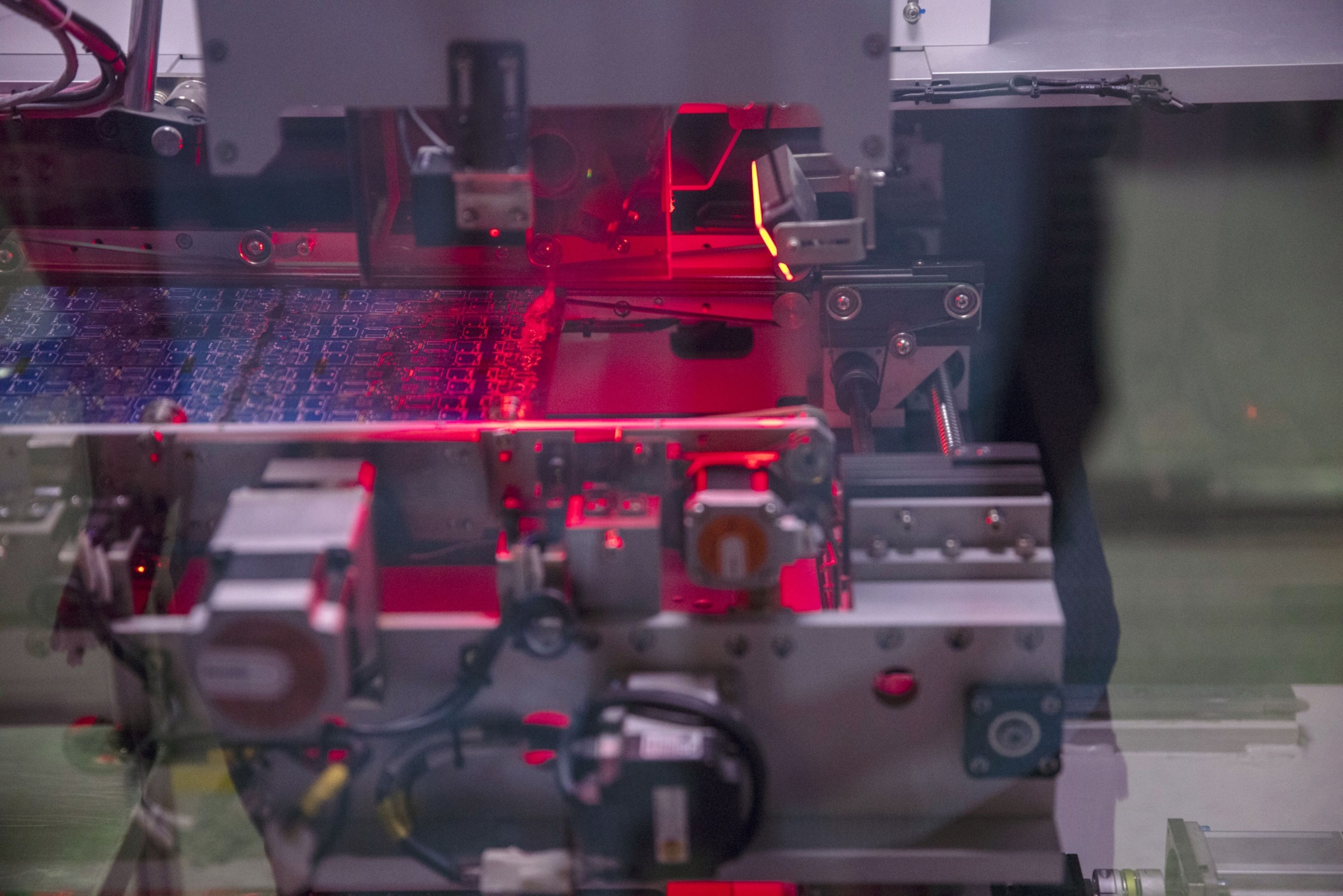
A gauge of activity across India's manufacturing sector jumped to highest level in over eight years in September as manufacturers saw a sharp pick-up in new orders.
The IHS Markit India Manufacturing Purchasing Managers' Index rose to 56.8 in September 2020, from 52 in August. This is second straight month of expansion and the highest reading since January 2012. It is also the third quickest surge in the survey's history. A reading over 50 indicates economic expansion.
The Indian manufacturing industry continued to move in the right direction, with PMI data for September highlighting many positives. Due to loosened Covid-19 restrictions, factories went full steam ahead for production, supported by a surge in new work.Pollyanna DeLima, Economics Associate Director, IHS Markit,
The increase in new business inflows was the fastest since early 2012, IHS Markit said. Export orders expanded as well. “The upturn in total sales was supported by a renewed expansion in new export orders, the first since prior to the escalation of the Covid-19 outbreak.”
Despite strong growth of order book volumes, Indian goods producers signaled another reduction in payroll numbers. In many cases, this was attributed to efforts to observe social distancing guidelines.
With slower execution of orders, the backlog increased in September, the PMI data shows. Manufacturers stepped up purchase of inputs to meet the backlog and new orders. “This placed additional pressure on supply chains as evident by a further increase in delivery times,” the survey indicated.
Holdings of inputs increased for the first time in six months, but inventories of finished goods decreased at a sharp and accelerated rate as companies utilised stocks to follow through on their sales contracts.
On the price front, input costs rose a softer rate except in the case of a few materials such as aluminum and steel. “Output charges, meanwhile, broadly stabilised following five successive months of reduction.”
In the coming 12 months, almost one-third of manufacturers expect output growth, against 8% that foresee a contraction, resulting in the strongest degree of overall optimism in over four years. Upbeat projections reflected hopes of fewer coronavirus cases, projects in the pipeline and enquiries from new clients, according to the release.
The phased unlocking of the economy has provided impetus to economic activity, said Rahul Bajoria, chief India economist at Barclays. The PMI data implies that the economic recovery is becoming entrenched, he said.
The phased unlocking of the economy over the past four months has seen an easing in restrictions on a wide array of economic activities. Data released in September shows the recovery gaining momentum. Power demand is now back to Covid levels, while E-way bill filings have improved as well. Fuel consumption, especially gasoline used for private vehicles, is also rising.Rahul Bajoria, Chief India Economist, Barclays

-
'Never Seen This Level Of Negativity': Sandeep Tandon Says The Next Rally May Be Closer Than You Think

Veteran investor Sandeep Tandon says foreign selling is easing, large-caps are due a comeback and mid-caps are crowded, while he turns positive on gold, power and pharma this Diwali.
-
Indians Stay With Family, Not In Hotels | The Reason Why
India still lacks enough clean, reliable and affordable hotels for budget-conscious travellers.
-
The Economic Imperative: Analysing The Material Driving Force Behind India-Canada Strategic Reset
This economic complementarity is further reinforced by deep institutional investment ties and talent mobility, which form the bedrock of the bilateral framework.
-
Medicine Pricing: Where Must Profit Stop?
India must confront excessive margins, hidden incentives and regulatory gaps that threaten the integrity of medicine.
-
Why Amazon And Flipkart Are Struggling To Beat Meesho In India's Smaller Cities
With 274 million users and lowest-cost logistics, Meesho is defending its value commerce crown against giants like Amazon and Flipkart.
-
High US Salaries, No Green Card Certainty: The Financial Calculation Facing Indian H-1B Families
The suspension of PERM processing at eight technology employers does not cancel existing H-1B visas. What it does is force a question many Indian families have been avoiding: is the US salary worth tying your career and family plans to one employer?
-
Swiggy vs Eternal: Food Delivery's Two Rivals Are No Longer In The Same Race
Eternal is building a private AI assistant, dark.ai. Swiggy is still working out how to make Instamart pay, with an operating loss of Rs 895 crore in the July-September quarter while Blinkit stayed profitable.
-
Where You Live Shapes How You Get To Work | The Reason Why
Two-wheelers are the most popular way to get to work in India, accounting for nearly 43% of workplace commutes.
-
Unhedged Position: Can India See An Indonesia-Style Time Correction?
The Nifty is trading below levels it first clocked in 2024. Is there, then, as I have suggested in the headline, potential that the current time correction drags on painfully for the next three-five, even ten years?
-
Navigating Friction And Energy Realities: An Analysis Of Marco Rubio's October Visit To India
Occurring at a critical juncture marked by stalled trade negotiations and escalating geopolitical pressures over global energy supplies, the visit offers a profound window into modern US-India relations.










