India’s Services PMI Dips To Three-Month Low In April But Remains In Expansion Zone
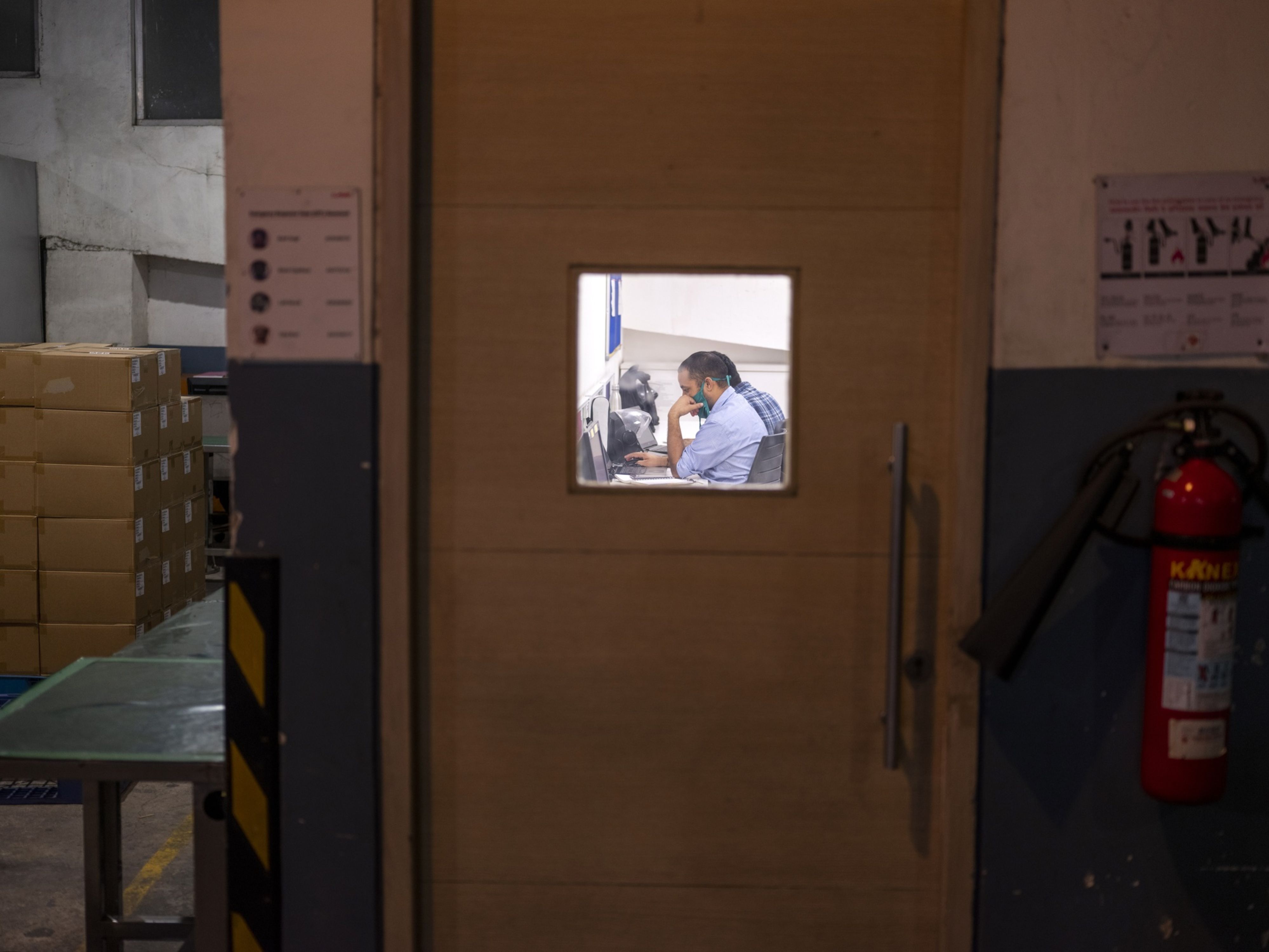
A gauge of India's services sector fell to the lowest in three months, but remained in the expansion zone and above the long-run average.
The India Services Business Activity Index, compiled by IHS Markit, stood at 54 in April compared with 54.6 in March 2021, according to a media statement. A reading above 50 indicates expansion in business activity.
The Composite PMI Output Index, too, dropped to 55.4 from 56 in March.
Anecdotal evidence indicated that ongoing growth of new work underpinned the rise in output, which was nevertheless stymied by the intensification of the Covid-19 crisis, the release said. Business activity and sales expanded in three of the five broad areas of the services economy, the exceptions being information and communication, and real estate and business services. Transport and storage was the brightest spot in April.
Companies reported a sharp rise in expenses in April, linked to higher prices for food, freight, fuel and a wide range of other items. The overall rate of input cost inflation was the strongest seen in close to nine-and-a-half years. But while some firms lifted their selling prices, most companies left fees unchanged due to efforts to secure new work and remain competitive.
On the jobs front, there was a further decline in overall services sector employment. Payroll numbers fell for the fifth month in a row in April, albeit at the weakest pace since January.
Travel restrictions and the Covid-19 crisis continued to curb international demand for Indian services. New export orders declined for the fourteenth month running and at a quicker pace than in March.
Indian services firms were optimistic regarding the 12-month outlook for business activity, but the overall level of positive sentiment fell to the lowest since last October. The escalation of the pandemic was the main drag on confidence.

-
One El Nino, India Can Handle. Two Could Break The Granary

India's grain stocks can absorb one bad year, but a second El Nino could drain the buffer in two to three years, economists say.
-
India's Troika Of Good Luck | Joining The Dots
As Jensen Huang's exit drags Nvidia down, a cooling AI trade and resilient earnings have revived investor interest in India. A likely RBI rate hike looms.
-
Talking Points This Week: Leadership Shock At Nvidia, Earnings Strength, And The Fog Over Hormuz
The Anthropic IPO pricing and first trading day, Nvidia's upcoming earnings, and any fresh signals from Iran will set the tone for the following week.
-
Signature Play: The Classic Cocktail Is Dead. Or Is It?
Classic cocktails are disappearing from India's cocktail menus. But they're still being ordered, taught to bartenders and borrowed from. So, who's really having the last drink?
-
A New Samvat Wishlist: Inclusive Prosperity And Human Development
India has strengthened its economic foundations through infrastructure, digital access and enterprise. Its next growth chapter must deepen productivity, create better livelihoods and widen participation in prosperity.
-
Love, Sex Aur Dhokha: The Audacious Plot To Spy On Jensen Huang
A Taipei dinner, a Singapore chip buyer and a suspected Chinese asset: inside the alleged spy operation that got close to NVIDIA's Jensen Huang.
-
Ten Things I Learnt This Samvat
Patience can be a trap. Cheap stocks can stay cheap. Leverage can wipe you out. What did Samvat 2082 teach us? Niraj Shah writes on 10 lessons from the year gone by.
-
Talking Points This Week: Tech Nerves, FII Buying, And A Faraway Banking Shock
The global markets are not shining this Diwali. The exception in the large markets is, India.
-
Midterm Rally Lasted A Day. The Hard Reality Of A Divided US May Last Two Years | Opinion
Between a contested AI boom, a debt ceiling that arrives in 2027 and a president with every incentive to act alone, the next two years may prove more volatile than the first day's rally suggests.
-
Blue Wave Will Derail the AI Trade but Won't Dismantle the AI Era | Unhedged Position
The Democrats' sweep of the US Congress will see politics collide with economic forces both over the long and short term.









