India's CPI Inflation Falls To Three-Month Low Of 5.1% In January
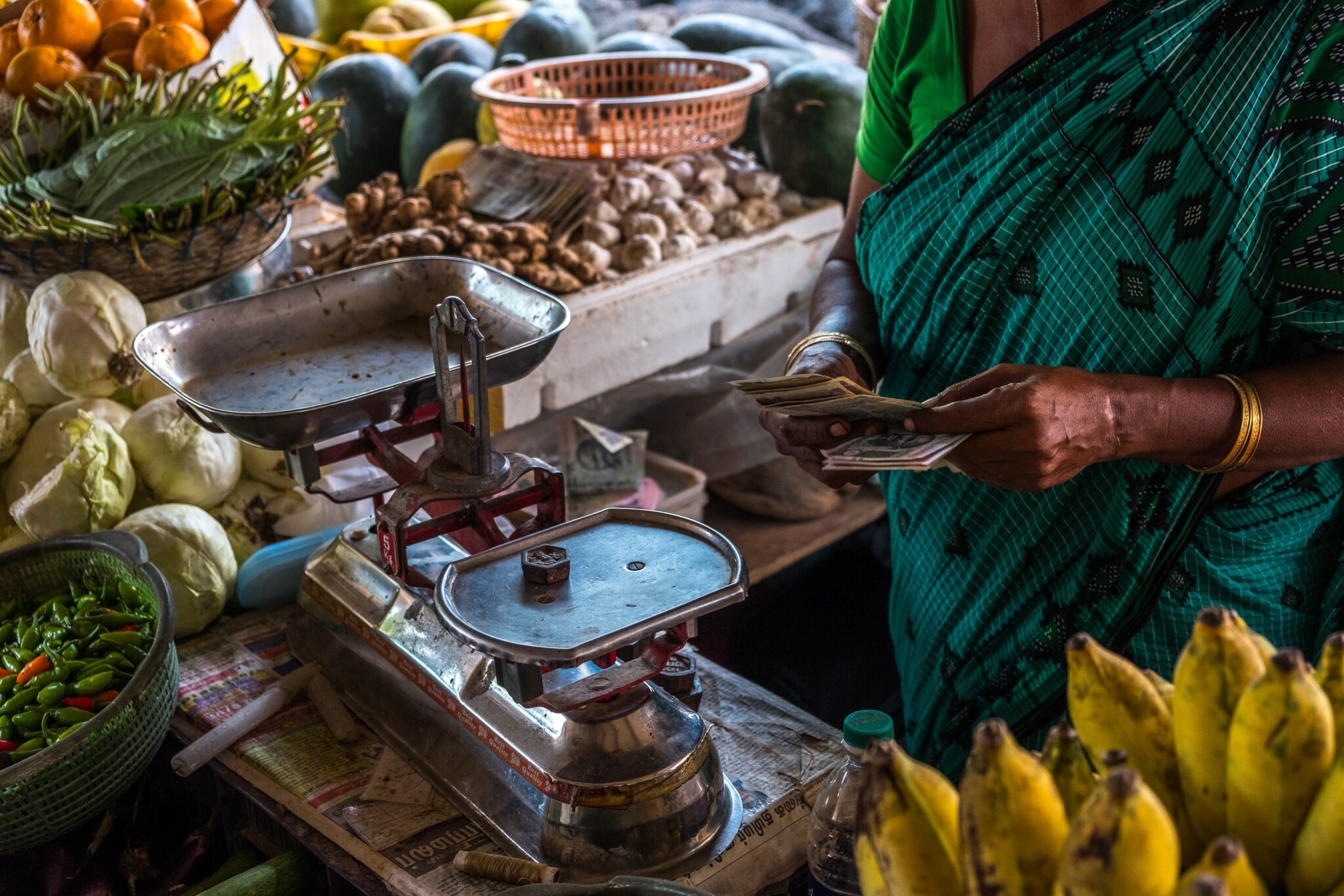
India's retail inflation eased to the lowest in three months in January, benefiting from a broad-based moderation in prices.
The Consumer Price Index-based inflation stood at 5.1% in January, as compared with 5.69% in December, according to data from the Ministry of Statistics and Programme Implementation, released on Monday.
Food price inflation declined to 8.30% in January, as compared with 9.53% in December. Core inflation—excluding food and fuel—fell to 3.6% in January, from 3.9% in December last year. This was the lowest print since November 2019.
Rural inflation fell to 5.34% in January, as compared with 5.93% in December. Urban inflation stood at 4.92% in January, as against 5.46% in December.
Consumer price inflation remains within the central bank's tolerance band of 4 (+/- 2)% for the fifth straight month. A panel of 36 economists polled by Bloomberg had estimated a reading of 5% for January.
The mild upside surprise on CPI inflation has come on the back of higher-than-expected food inflation, led by higher sequential momentum in eggs, meat and fish, and pulses, while cereals remained under pressure despite rising materially in 2023, said Madhavi Arora, lead economist at Emkay. Vegetable inflation has also remained elevated, with sequential contraction being less than the usual seasonal behaviour, she said.
Factors like delayed sowing amid a patchy monsoon and consequent delayed Kharif harvest have been impeding a higher correction in their prices, Arora explained. The truckers' strike earlier in the month may have also contributed to the disruption to supply of fruits and vegetables. Nonetheless, core disinflation has continued, with core inflation ex-intoxicants printing the lowest print in nearly four years, she said.
Inflation Internals
Cereal prices rose by 7.8%, as against a rise of 9.93% in December.
Inflation in meat and fish was at 1.2%, as compared with 1.15% in the previous month.
Inflation in eggs was at 5.6%, up from 4.36% in the previous month.
Inflation in milk and milk products was at 4.6%, as compared with 5.1%.
Prices of oils and fats declined 14.96%, in line with the fall seen in the previous month.
Vegetable prices rose 27%, as compared with 27.6%.
Pulses inflation was at 19.5%, as against 20.7%.
Clothing and footwear inflation was at 3.4% versus 3.6%.
Housing inflation was at 3.2% versus 3.6%.
Sequential Easing In Vegetables And Pulses
Food and beverage inflation eased by 0.5% in January, as compared with the previous month. Among major food items, on a sequential basis, vegetables and fruits showed a decline in momentum, along with pulses and oils. Meanwhile, cereals and eggs saw a rise in prices.
CPI inflation is projected to ease below 5% in February-March, and average at 5.3% in FY24, according to Aditi Nayar, chief economist at ICRA. Nayar estimates CPI inflation at 4.6% thereafter in FY25, broadly in line with that of the MPC, based on the assumption of a normal monsoon, she said.
"The MPC's expectations around the growth outlook and its forecast that the CPI inflation will moderate while remaining above the 4% target, reinforces our view of a likely shallow rate cut cycle," said Nayar, who foresees cumulative rate cuts of 50-75 basis points commencing in the August 2024 meeting, and a stance change in the preceding review, after there is some visibility on the monsoon turnout.

-
Gold Is Rs 22,000 Cheaper Than A Month Ago. Should You Buy Amid The Wedding Season?

Gold's potential slide to $3,500 could save around Rs 4,700 per 10 grams, but a soft inflation print could just as easily push prices back up. One way to split the risk is to buy in parts, some now and the rest after the Fed's Dec. 9 decision.
-
AI Agents Are Gaining Power. Who Governs Them?
Artificial intelligence agents promise to transform productivity by moving machines from assisting decisions to executing them. But as organisations delegate greater authority to these AI-agents, they must first establish who controls that authority and who remains accountable when things go wrong.
-
Why Swapping Your Old Gold Can Trigger A Rs 5 Lakh Tax Bill, And How You Can Avoid It Legally
Swapping old gold for new is taxed as a sale and a fresh purchase. Getting your own gold remade can cut most of that bill, though it has its own costs.
-
The AI Trade is Done. The Real Opportunity for Investors Starts in 2027 | Unhedged Position
As pureplay AI stocks plunge and circular, capex-led financing unwinds, 2027 is set to be a year of reckoning for AI companies. Yet the bust clears the way for a better opportunity for investors in 2027 -- shifting the spotlight from AI builders to the companies using AI.
-
Leadership As Mission: Why The Age Of AI Demands More Human Leadership
Debjani Ghosh examines how AI is changing leadership, arguing that its success must be measured by its impact on people and the accountability of those guiding its use.
-
We May Need Another Tukaram Mundhe To Fight Air Pollution | The Reason Why
Developers may install basic measures such as sprinklers and green nets, resume work, and continue violating rules when this equipment stops working.
-
Extracting Value From Battery Scrap Could Be Challenging For India | The Reason Why
A discarded lithium-ion battery still contains valuable materials such as lithium, nickel and cobalt. These can be recovered and reused. When such batteries are crushed and shredded, they produce a dark powder called black mass.
-
One El Nino, India Can Handle. Two Could Break The Granary
India's grain stocks can absorb one bad year, but a second El Nino could drain the buffer in two to three years, economists say.
-
India's Troika Of Good Luck | Joining The Dots
As Jensen Huang's exit drags Nvidia down, a cooling AI trade and resilient earnings have revived investor interest in India. A likely RBI rate hike looms.
-
Talking Points This Week: Leadership Shock At Nvidia, Earnings Strength, And The Fog Over Hormuz
The Anthropic IPO pricing and first trading day, Nvidia's upcoming earnings, and any fresh signals from Iran will set the tone for the following week.









