Impaired-Loan Ratio Of Indian Banks To Fall In FY25, FY26: Fitch
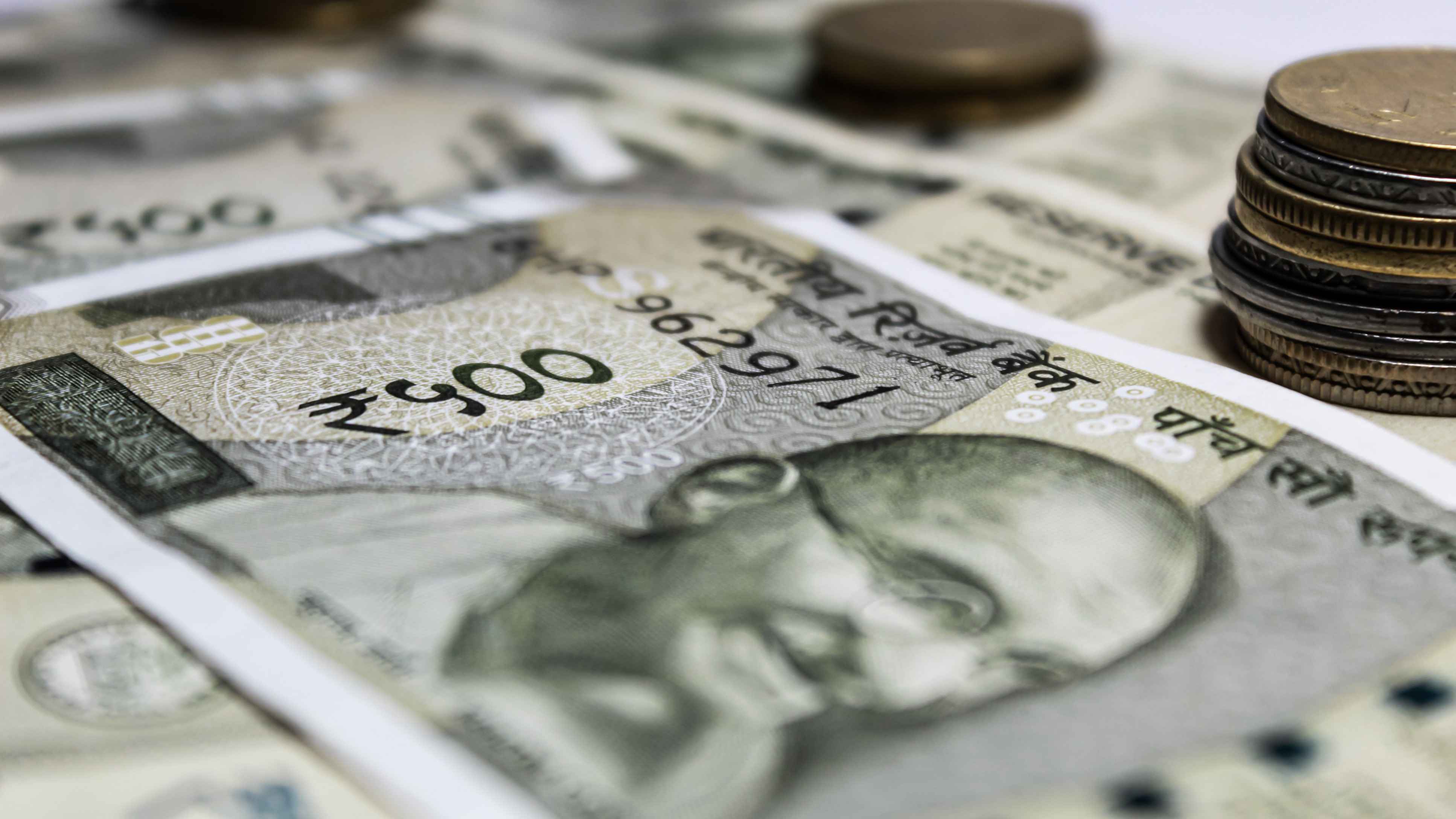
While the asset quality of Indian banks is prone to risks emerging from increasing stress in their unsecured retail loan portfolios in 2025, Fitch Ratings expects impaired-loan ratio to fall, it said in a press release.
The global rating agency expects banks' impaired-loan ratio to fall by 40 basis points to around 2.4% for the current financial year and a further fall of 20 bps in the next financial year. This is despite expecting new bad loans in both years to be around 25% higher than the figure for 2023-2024 (Apr-Mar).
This has come as rapid retail lending growth in recent years, especially in the unsecured loan segment, poses heightened medium-term risks.
However, Fitch still expects impaired-loan ratio to fall in both years, led by robust loan growth, recoveries and write-offs, which are expected to offset the increase in fresh bad loans.
Reserve Bank of India expects impaired-loan ratio to trough in the current financial year before rising to around 3% in the next year. In the first half of this year, impaired-loan ratio was 2.6%.
"We believe the difference from our forecast partly reflects variance of opinions on the timing and extent of risk crystallisation, banks' exposure at risk, loan growth and India's economic performance," it said.
Despite India's household debt remaining low at 42.9% of GDP as of June 2024, compared to many Asia-Pacific emerging markets, stress in unsecured retail loans has been rising, comprising roughly 52% of new bad retail loans in the first half of this year.
"The impact of defaults on unsecured loans could be amplified as approximately 50% of borrowers reportedly hold at least one other, often high-value secured retail loan, such as a housing or vehicle loan, which could also be affected in the event of default," Fitch said.
Currently, lending stress appears to be concentrated in unsecured personal loans of less than $600. Large Indian banks' exposure to such riskier loans may be proportionally lower than that of the system, but they are not completely insulated, given their high loan growth appetite and increased digital lending in recent years.
Banks may also have indirect exposure through funding to non-banks and fintechs, which are more exposed to low-income borrowers, it said.
Fitch believes that risks could spill over to the higher income categories in a market downturn, given the correlation between rapid unsecured personal loan growth and increased retail participation in financial markets. However, borrowers in these categories should exhibit greater resilience, it added.

-
Signature Play: The Classic Cocktail Is Dead. Or Is It?

Classic cocktails are disappearing from India's cocktail menus. But they're still being ordered, taught to bartenders and borrowed from. So, who's really having the last drink?
-
A New Samvat Wishlist: Inclusive Prosperity And Human Development
India has strengthened its economic foundations through infrastructure, digital access and enterprise. Its next growth chapter must deepen productivity, create better livelihoods and widen participation in prosperity.
-
Love, Sex Aur Dhokha: The Audacious Plot To Spy On Jensen Huang
A Taipei dinner, a Singapore chip buyer and a suspected Chinese asset: inside the alleged spy operation that got close to NVIDIA's Jensen Huang.
-
Ten Things I Learnt This Samvat
Patience can be a trap. Cheap stocks can stay cheap. Leverage can wipe you out. What did Samvat 2082 teach us? Niraj Shah writes on 10 lessons from the year gone by.
-
Talking Points This Week: Tech Nerves, FII Buying, And A Faraway Banking Shock
The global markets are not shining this Diwali. The exception in the large markets is, India.
-
Midterm Rally Lasted A Day. The Hard Reality Of A Divided US May Last Two Years | Opinion
Between a contested AI boom, a debt ceiling that arrives in 2027 and a president with every incentive to act alone, the next two years may prove more volatile than the first day's rally suggests.
-
Blue Wave Will Derail the AI Trade but Won't Dismantle the AI Era | Unhedged Position
The Democrats' sweep of the US Congress will see politics collide with economic forces both over the long and short term.
-
It's Time To Take The GST Council's Bet On Trust Global
Payment records can prove India's services exports, and clear, proportionate rules can bring foreign digital sellers into the tax net.
-
Opinion | India at 38: From Innovation Overperformer to Innovation Powerhouse
India now has 453 VC-backed deep science startups, 18 of them late-stage, after 117 percent growth since 2020. Laurus Labs, at USD 9.3 billion, is the most valuable deep science company in any middle-income economy outside China.









