Indian Banking System In A Much Better Place Than Earlier, Says KV Kamath
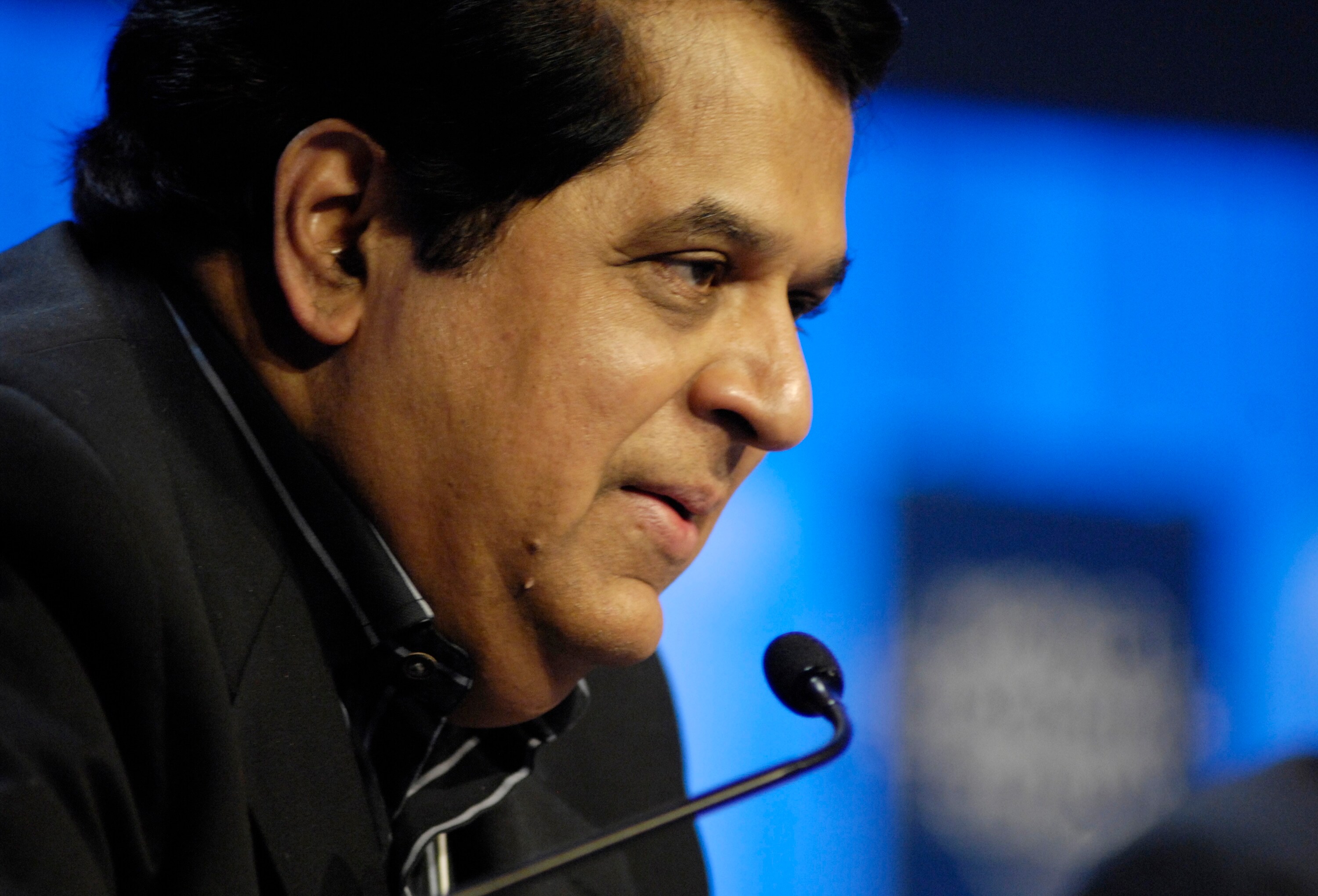
The Indian banking system is in a much better place than it was a few months ago when the Covid-19 crisis stuck, according to industry veteran KV Kamath.
The Reserve Bank of India's six-month loan moratorium and private bankers' prudence of raising capital themselves helped, the former chief of the New Development Bank of BRICS countries, told Quintillion Media's Editorial Director Sanjay Pugalia in an interview. Moreover, the industry-wide bad loan cleanup seen over the last five years had put the banking system in a position to recover faster and stronger, he said.
India's central bank allowed a six-month moratorium on loan repayments to cushion borrowers as the Covid-19 freeze on the economy triggered layoffs and salary cuts. But there were concerns of a spike in bad loans after the moratorium. The crisis could push up gross non-performing assets of Indian banks to a 20-year high of 12.5-14.7% of total loans in FY21, RBI's own stress test estimated.
In August, the RBI permitted one-time restructuring of corporate advances and personal loans. A five-member committee led by Kamath recommended that the banking industry looks at five financial parameters before taking a decision on debt recast.
Kamath, however, said the outlook for the banking sector and overall economy now looks brighter than he and other stakeholders had estimated.
The damage will be less than what the committee had expected, Kamath said, pointing out that most of India's top 50 listed companies are not highly leveraged. “So to look at it in retrospect, the sectoral players are going to be less harmed than otherwise because of the steps we have taken in the 12-18 months.”
India's Manufacturing Future
India's policymakers see an opportunity amid global debate to move at least some manufacturing out of China to mitigate risks. India hopes to not only boost manufacturing but also become an export hub after China.
Kamath, however, said that's unlikely to happen.
India and China have had very different growth paths, he said, adding that the neighbour to the east expanded into export because they didn't have a big enough domestic market for the goods. India, the world's second-most populous country, will likely focus on the ‘Atmanirabhar Bharat' plan championed by the government. That, according to Kamath, will benefit India's economy and balance of accounts.
India reported record current account surplus in the April-June quarter as diminished domestic demand translated into higher exports and low imports. Kamath, however, refuses to see the data as a negative development. “I would like to think it (imports) didn't come in and we substituted it domestically.”
India's economy contracted nearly 24% in the first quarter ended June, the most among large economies, as the nation imposed one of the harshest curbs to contain the Covid-19 pandemic. The GDP is expected to contract sharply for the full year as well, and the recovery is expected to slow. More so because of a lack of a major fiscal push.
Kamath said the government has realised that the cost of a fiscal package would be too high compared to the benefit. He advised policymakers, both in the government and the RBI, to continue along the path they have followed so far.
Watch the full conversation here:

-
'Never Seen This Level Of Negativity': Sandeep Tandon Says The Next Rally May Be Closer Than You Think

Veteran investor Sandeep Tandon says foreign selling is easing, large-caps are due a comeback and mid-caps are crowded, while he turns positive on gold, power and pharma this Diwali.
-
Indians Stay With Family, Not In Hotels | The Reason Why
India still lacks enough clean, reliable and affordable hotels for budget-conscious travellers.
-
The Economic Imperative: Analysing The Material Driving Force Behind India-Canada Strategic Reset
This economic complementarity is further reinforced by deep institutional investment ties and talent mobility, which form the bedrock of the bilateral framework.
-
Medicine Pricing: Where Must Profit Stop?
India must confront excessive margins, hidden incentives and regulatory gaps that threaten the integrity of medicine.
-
Why Amazon And Flipkart Are Struggling To Beat Meesho In India's Smaller Cities
With 274 million users and lowest-cost logistics, Meesho is defending its value commerce crown against giants like Amazon and Flipkart.
-
High US Salaries, No Green Card Certainty: The Financial Calculation Facing Indian H-1B Families
The suspension of PERM processing at eight technology employers does not cancel existing H-1B visas. What it does is force a question many Indian families have been avoiding: is the US salary worth tying your career and family plans to one employer?
-
Swiggy vs Eternal: Food Delivery's Two Rivals Are No Longer In The Same Race
Eternal is building a private AI assistant, dark.ai. Swiggy is still working out how to make Instamart pay, with an operating loss of Rs 895 crore in the July-September quarter while Blinkit stayed profitable.
-
Where You Live Shapes How You Get To Work | The Reason Why
Two-wheelers are the most popular way to get to work in India, accounting for nearly 43% of workplace commutes.
-
Unhedged Position: Can India See An Indonesia-Style Time Correction?
The Nifty is trading below levels it first clocked in 2024. Is there, then, as I have suggested in the headline, potential that the current time correction drags on painfully for the next three-five, even ten years?
-
Navigating Friction And Energy Realities: An Analysis Of Marco Rubio's October Visit To India
Occurring at a critical juncture marked by stalled trade negotiations and escalating geopolitical pressures over global energy supplies, the visit offers a profound window into modern US-India relations.










