How Farm Schemes Have Fared In Modi’s Home State
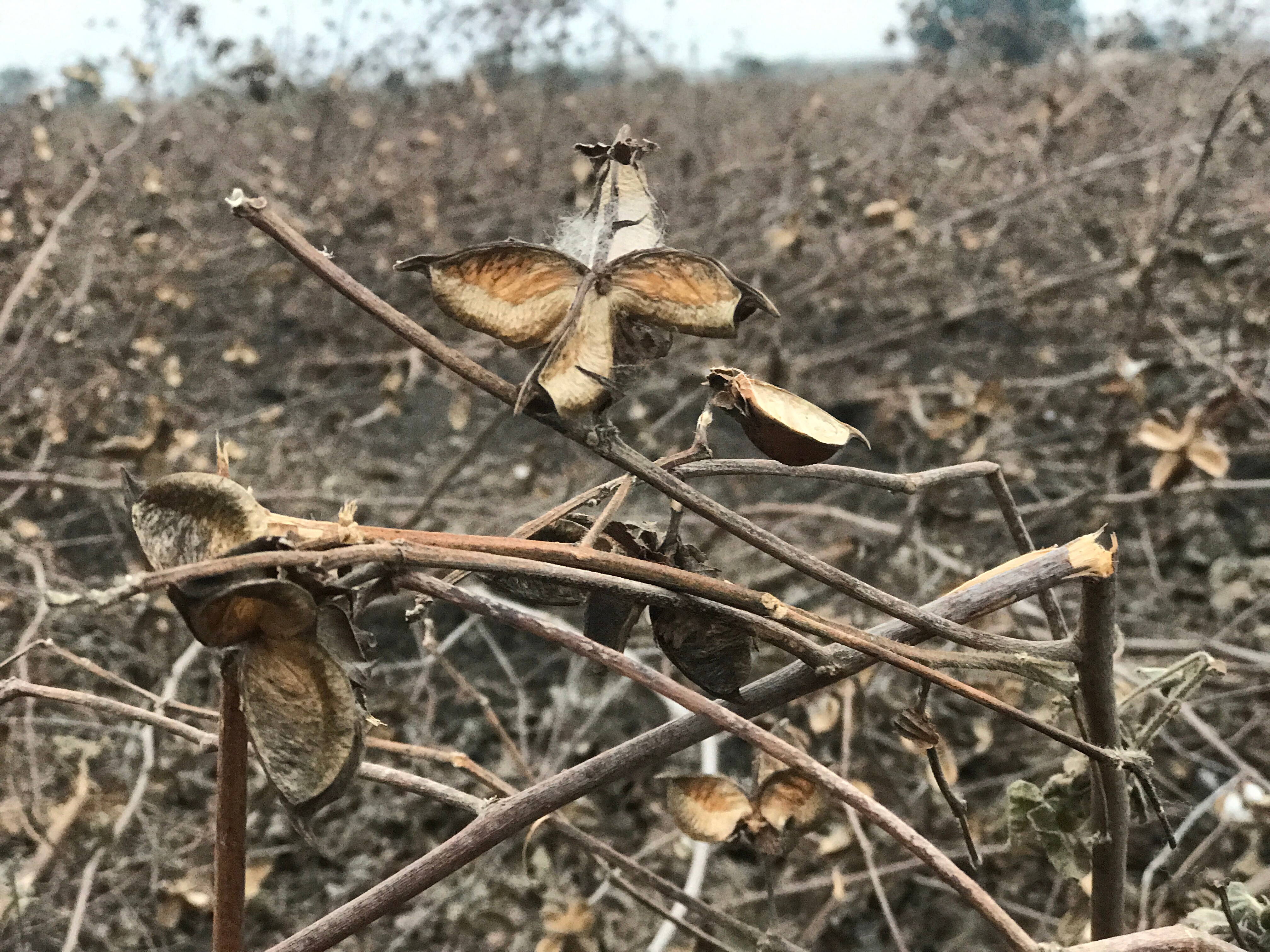
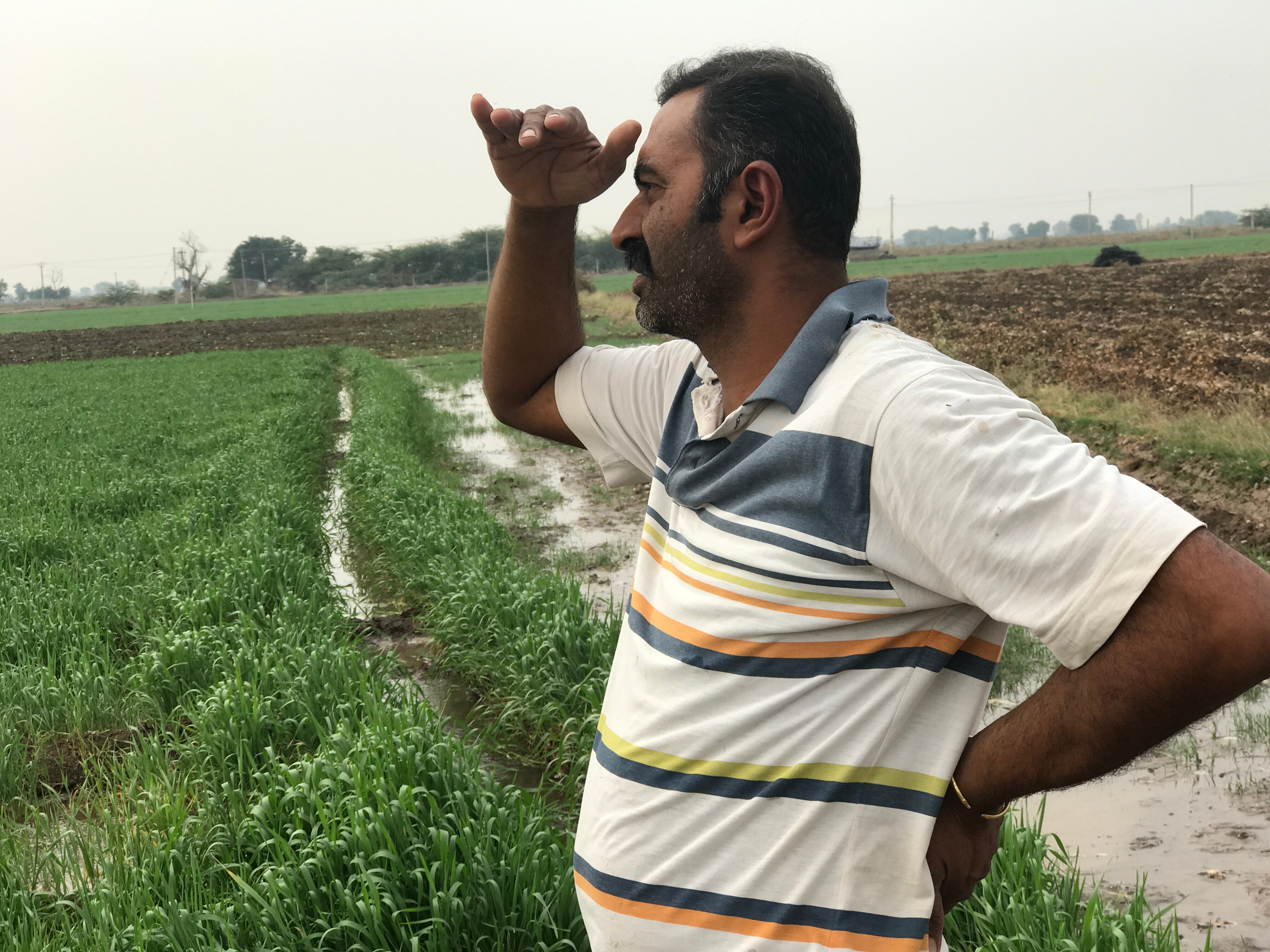
Kantilal Harthani, 67, says half of his cotton crop at Chakkargadh in Amreli, Gujarat was damaged by the bollworm attack and floods—the second time in two years. Growing cotton for a decade and a half, he opted for Prime Minister's crop insurance scheme when it was launched two years ago. Harthani says he didn't get the claim he filed for last season's crop. And he's not sure about this year too.
“I haven't received any money although the premium gets cut regularly,” he said. “Such schemes stay on the paper and never translate into anything on the ground.”
Gujarat is the largest producer of cotton in India. Harthani is among the farmers in the Saurashtra region of Prime Minister Narendra Modi's home state who say they either didn't get the insurance claim or weren't adequately compensated.
The region is among half the cultivated land in Asia's third-largest economy that relies on monsoon for irrigation. The Pradhan Mantri Fasal Bima Yojana was launched in January 2016 to cover crop damage either due to deficient or excess rains. That's because failed crops invariably push farmers under debt and, at times, even towards suicide. Already, Uttar Pradesh, Maharashtra, Karnataka and Punjab have waived loans of small farmers.
Under the scheme, insurers get 1.5 to 5 percent of the actuarial premium rate from farmers depending on the crop. The rest is equally borne by state and central governments. The Union Budget allocated Rs 10,701 crore for the year ending March.
Harthani said he pays 4 percent premium for a cover of Rs 1 lakh for his cotton crop. Emailed queries to New India Assurance, which won the tender for the kharif crop in the districts falling in the Saurashtra region, about his and other claims remained unanswered.
The scheme is just one-and-a-half-years old and some teething problems were expected, according to Joydeep Roy, partner, insurance at PwC.
Earlier, only agricultural companies bought insurance and crops were not covered fully. So from a Rs 4,000-crore industry, it (crop insurance) has now become worth Rs 34,000 crore with efforts from the industry and the government. Insurance has to benefit the final claimant but it also needs to be looked at practically.Joydeep Roy, Partner - Insurance, PwC
Also Read: From Farm To Market: A Crisis Looms In Modi's Home State
Many farmers BloombergQuint spoke to in the Amreli district of Gujarat said the scheme averages the damage instead of calculating it individually. “If I suffer 70 percent loss and the neighbouring farmers loses 30 percent crop, an average is taken and the claim is given accordingly,” said cotton grower Bipinbhai Phokia, 37. “That's not based on how much loss I suffer personally.”
Roy said the first version of the crop insurance scheme is aimed at minimising fraud. In the absence of absolute clarity about things, certain assumptions were made for it to work, he said. “One way was averaging so that it's fair for all. Otherwise, if one person starts doing fraud, insurance would move away from farms.”
Crop insurance is just part of the larger problem. CP Chandrasekhar, professor at the Centre for Economic Studies and Planning, Jawaharlal Nehru University, said there is a basic crisis of agriculture becoming unviable because of rising costs and farmers not being compensated. “When they are hit by a weather shock, that's on top of the basic non-viability,” he said. “It's a double whammy.”
Perhaps that's why Kirtibhai Choradia, a cotton grower in Amreli, sees no benefit in buying insurance. “The government has forced farmers to buy. Why should we take it if they don't want to pay us when our crops fail?”
Also Read: Loan Waivers Show Farming Is Uneconomical, Says Father Of India's Green Revolution
Water Woes
Saurashtra, largely an agrarian economy, is dependent on monsoon for irrigation. Rains are erratic, and its inverted-saucer topography makes it difficult to conserve water. The Narmada waters were expected to bring relief to the parched region.
The Gujarat government's Saurashtra-Narmada Avataran Irrigation, announced in 2012-13 when Modi was the chief minister, aims to take water to the region through a network of canals. About 115 reservoirs in 11 districts would irrigate more than 10 lakh acres of land through 1,126-kilometre-long four pipelines.
But progress has been slow.
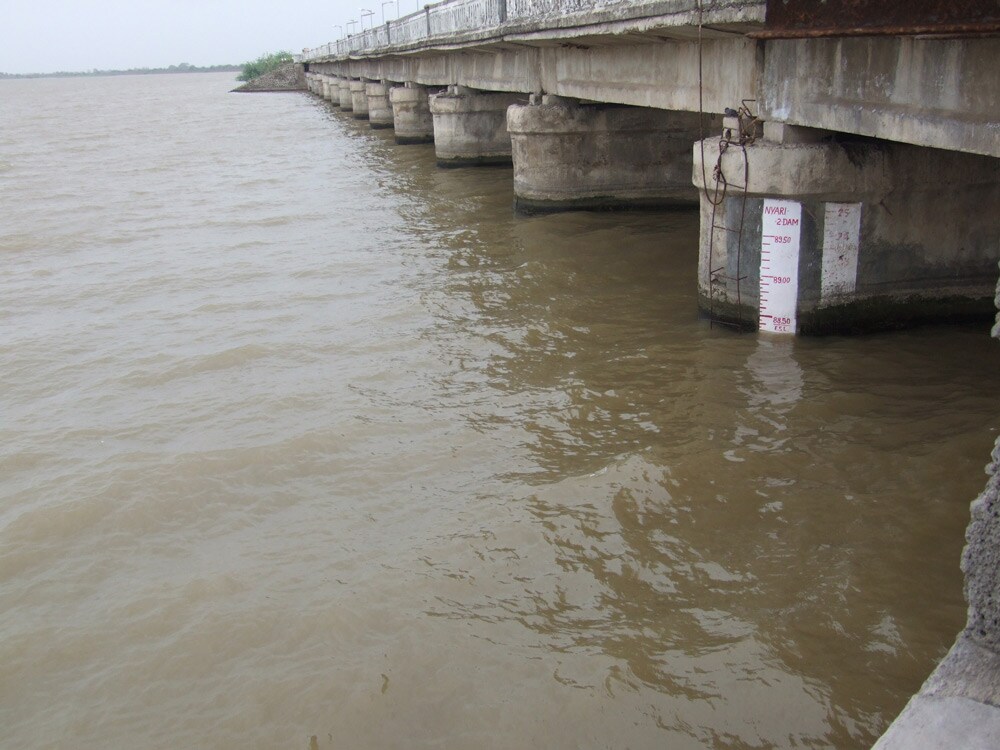
“Amreli has not seen any benefit of SAUNI. Some other places might have but not here,” said cotton grower Phokia. “Looks like I will have to tell my son that someday water will reach our fields.”
Earlier, farmers said, they could cultivate only three crops a year. Inadequate water has forced them to cut it down to one.
Prime Minister Modi inaugurated the Sardar Sarovar Dam Project on the Narmada in September, ahead of the elections in the state.
The trouble about the Narmada system is that the state has completed only 68 percent of the canal system in the last 17 years, said Yoginder Alagh, chancellor at Central University Gujarat and former Union minister. “The losses are very high. Either the water circulates under the ground or goes into the sea.”
The project provides for lifting water in times of excess rainfall. “It made sense but the canal system is not completed. In a sense, SAUNI is not working. This year, farmers are not even getting entitled water.”
Queries emailed to secretary, Narmada water resources division, about the delay in building canals and water distribution remained unanswered.
Also Read: Union Budget 2018: How India Earns Its Revenue - An Explainer
Direct Benefit Transfer
The government's Direct Benefit Transfer scheme pays the subsidy directly to companies for selling fertiliser through retail stores at lower rates to farmers. It was scheduled to roll out in Gujarat from this month. “It hasn't been implemented yet,” said Mohan Nakrani, a co-operative movement leader. “It's a work in progress and will happen by next months.”
Emails to the Gujarat Direct Benefit Transfer mission about the rollout of the scheme remained unanswered.
Even if it's rolled out soon, Chandrasekhar is not fully convinced about the scheme. “If the subsidy doesn't go to farmers directly, then I don't think it falls under Direct Benefit Transfer.” he said. “Not that I am for such a scheme. I feel cash transfers anyway are problematic.”
Moreover, cotton grower Harthani hasn't even heard about it yet. And it's not his immediate concern. He only wants to be compensated for his crop loss.
(With inputs from Ridhima Saxena)
Also Read: Budget 2018: Between A (Fiscal) Rock And A (Growth) Hard Place

-
Why Swapping Your Old Gold Can Trigger A Rs 5 Lakh Tax Bill, And How You Can Avoid It Legally

Swapping old gold for new is taxed as a sale and a fresh purchase. Getting your own gold remade can cut most of that bill, though it has its own costs.
-
The AI Trade is Done. The Real Opportunity for Investors Starts in 2027 | Unhedged Position
As pureplay AI stocks plunge and circular, capex-led financing unwinds, 2027 is set to be a year of reckoning for AI companies. Yet the bust clears the way for a better opportunity for investors in 2027 -- shifting the spotlight from AI builders to the companies using AI.
-
Leadership As Mission: Why The Age Of AI Demands More Human Leadership
Debjani Ghosh examines how AI is changing leadership, arguing that its success must be measured by its impact on people and the accountability of those guiding its use.
-
We May Need Another Tukaram Mundhe To Fight Air Pollution | The Reason Why
Developers may install basic measures such as sprinklers and green nets, resume work, and continue violating rules when this equipment stops working.
-
Extracting Value From Battery Scrap Could Be Challenging For India | The Reason Why
A discarded lithium-ion battery still contains valuable materials such as lithium, nickel and cobalt. These can be recovered and reused. When such batteries are crushed and shredded, they produce a dark powder called black mass.
-
One El Nino, India Can Handle. Two Could Break The Granary
India's grain stocks can absorb one bad year, but a second El Nino could drain the buffer in two to three years, economists say.
-
India's Troika Of Good Luck | Joining The Dots
As Jensen Huang's exit drags Nvidia down, a cooling AI trade and resilient earnings have revived investor interest in India. A likely RBI rate hike looms.
-
Talking Points This Week: Leadership Shock At Nvidia, Earnings Strength, And The Fog Over Hormuz
The Anthropic IPO pricing and first trading day, Nvidia's upcoming earnings, and any fresh signals from Iran will set the tone for the following week.
-
Signature Play: The Classic Cocktail Is Dead. Or Is It?
Classic cocktails are disappearing from India's cocktail menus. But they're still being ordered, taught to bartenders and borrowed from. So, who's really having the last drink?
-
A New Samvat Wishlist: Inclusive Prosperity And Human Development
India has strengthened its economic foundations through infrastructure, digital access and enterprise. Its next growth chapter must deepen productivity, create better livelihoods and widen participation in prosperity.









