GST To Benefit Organised Jewellers But Not The Standalone Stores, Says Credit Suisse
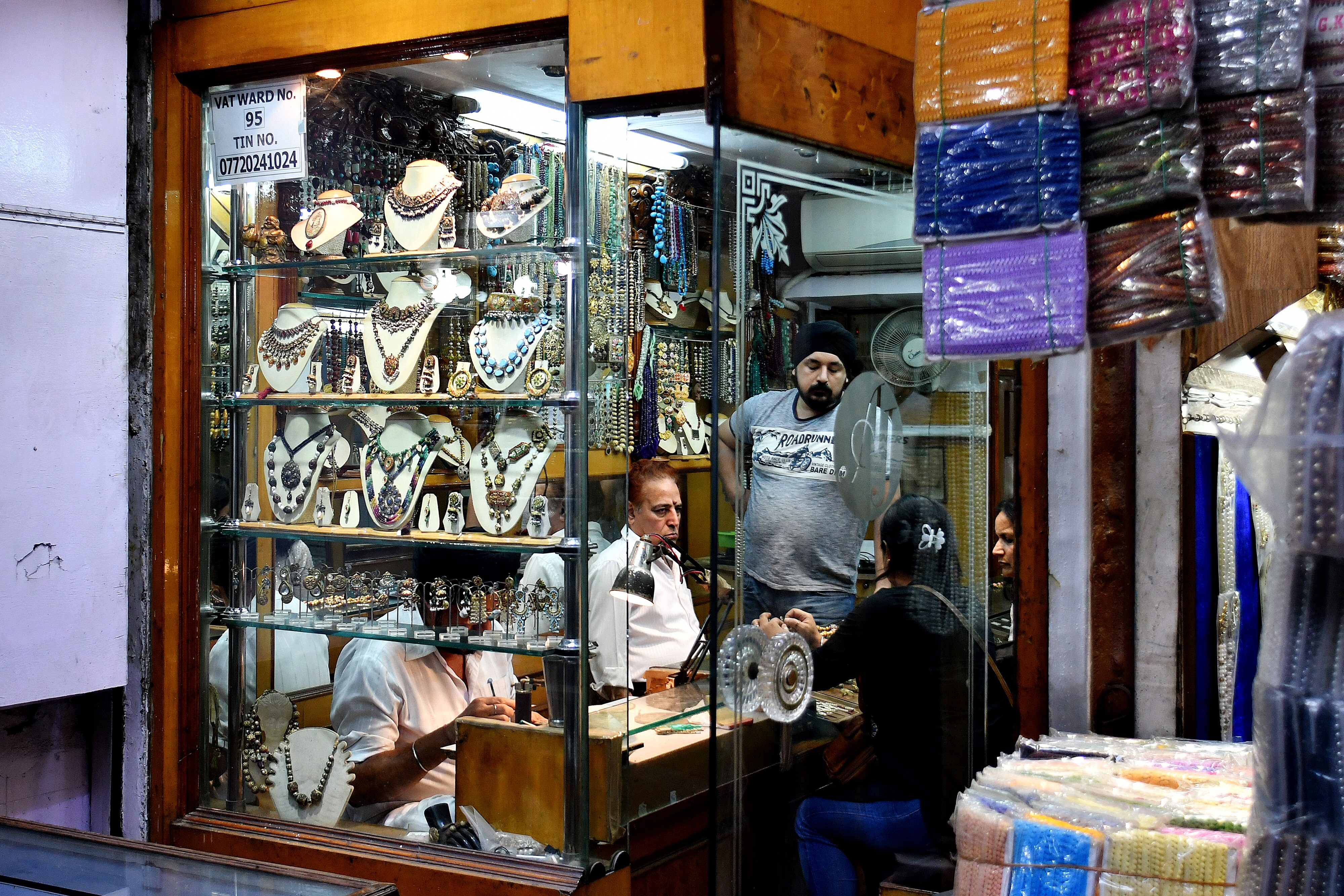
Goods and Services Tax will benefit organised jewellers in the country, but not standalone stores, said brokerage house Credit Suisse. The impending indirect tax regime will pave the way for a simpler tax structure for jewellers replacing multiple taxes and duties with a flat 3 percent tax.
Advertising and rental costs will also be considered while calculating the input tax credit received by jewellers, a clear benefit for the organised sector. Credit Suisse expects the topline to improve by as much as 5-10 percent.
The unorganised sector may face "regulatory headwinds" as the next tax regime will leave a trail of their purchases and transactions, starting from the bullion dealers. Nearly 30 to 35 percent of India's gold purchases happen with consumers exchanging their old jewellery with new ornaments. The brokerage house does warn that a 'reasonable share of sales' will continue to remain outside the purview as recycled and smuggled gold.
Credit Suisse On India's Jewellery Sector:
- GST on jewellery: Fixed at 3 percent, in line with the current blended rates of approximately 2.5 percent.
- Service tax on advertising and rent: In the pre-GST regime, jewellery had a 1 percent excise duty which was with out any input tax credit.
- Purchase tax on recycled gold: In the pre-GST regime, companies had to pay 1 percent as purchase tax when they bought back gold from consumers in exchange. This 1 percent could not be offset against the final tax paid on jewellery. Thus, it was an additional cost.
- Margins: For companies such as Titan, exchange is now 40-45 percent of the gold purchase and thus this can be a 40-45 basis points saving
- Jewellery margins for Titan are close to 10 percent and this adds 10 percent to its EBITDA
- Provision: GST has a provision for not registering if the turnover is below Rs 20 lakh a year

-
Signature Play: The Classic Cocktail Is Dead. Or Is It?

Classic cocktails are disappearing from India's cocktail menus. But they're still being ordered, taught to bartenders and borrowed from. So, who's really having the last drink?
-
A New Samvat Wishlist: Inclusive Prosperity And Human Development
India has strengthened its economic foundations through infrastructure, digital access and enterprise. Its next growth chapter must deepen productivity, create better livelihoods and widen participation in prosperity.
-
Love, Sex Aur Dhokha: The Audacious Plot To Spy On Jensen Huang
A Taipei dinner, a Singapore chip buyer and a suspected Chinese asset: inside the alleged spy operation that got close to NVIDIA's Jensen Huang.
-
Ten Things I Learnt This Samvat
Patience can be a trap. Cheap stocks can stay cheap. Leverage can wipe you out. What did Samvat 2082 teach us? Niraj Shah writes on 10 lessons from the year gone by.
-
Talking Points This Week: Tech Nerves, FII Buying, And A Faraway Banking Shock
The global markets are not shining this Diwali. The exception in the large markets is, India.
-
Midterm Rally Lasted A Day. The Hard Reality Of A Divided US May Last Two Years | Opinion
Between a contested AI boom, a debt ceiling that arrives in 2027 and a president with every incentive to act alone, the next two years may prove more volatile than the first day's rally suggests.
-
Blue Wave Will Derail the AI Trade but Won't Dismantle the AI Era | Unhedged Position
The Democrats' sweep of the US Congress will see politics collide with economic forces both over the long and short term.
-
It's Time To Take The GST Council's Bet On Trust Global
Payment records can prove India's services exports, and clear, proportionate rules can bring foreign digital sellers into the tax net.
-
Opinion | India at 38: From Innovation Overperformer to Innovation Powerhouse
India now has 453 VC-backed deep science startups, 18 of them late-stage, after 117 percent growth since 2020. Laurus Labs, at USD 9.3 billion, is the most valuable deep science company in any middle-income economy outside China.









