GST: Three-Tier GST Structure Possible, Says Chief Economic Adviser Arvind Subramanian
.jpg?downsize=1010:568 "GST: Three-Tier GST Structure Possible, Says Chief Economic Adviser Arvind Subramanian")
Ruling out a single rate Goods and Services Tax, Chief Economic Adviser Arvind Subramanian today pitched for a three-tier structure going forward as revenues stabilise.
He said GST is “work in progress” and there is a need for further simplification of rates with fewer exemptions and simpler policies. “In India, we can never have one rate. I had recommended a standard rate and one for demerit good, one for low rate,” Subramanian said at an National Council of Applied Economic Research event here.
In India, the debate should be about ‘why can't we have three', rather than ‘why not one'.Arvind Subramanian, Chief Economic Adviser
Under the GST regime, there are four rates – 5 percent, 12 percent, 18 percent and 28 percent. Luxury and demerit goods are subject to cess on top of the highest slab.
The single rate GST structure was advocated by Congress President Rahul Gandhi.
“I think over time we will see simplification. For example, once the revenue stabilises, 28 percent can (be rationalised), but the broader point I want to make is that why can't we have three (tax slabs). That's what we should ask for,” the CEA said. Since GST is a regressive tax, it won't be "fair" to have a single rate structure unless there are instruments to protect the poor who get hurt by rising costs, he added.
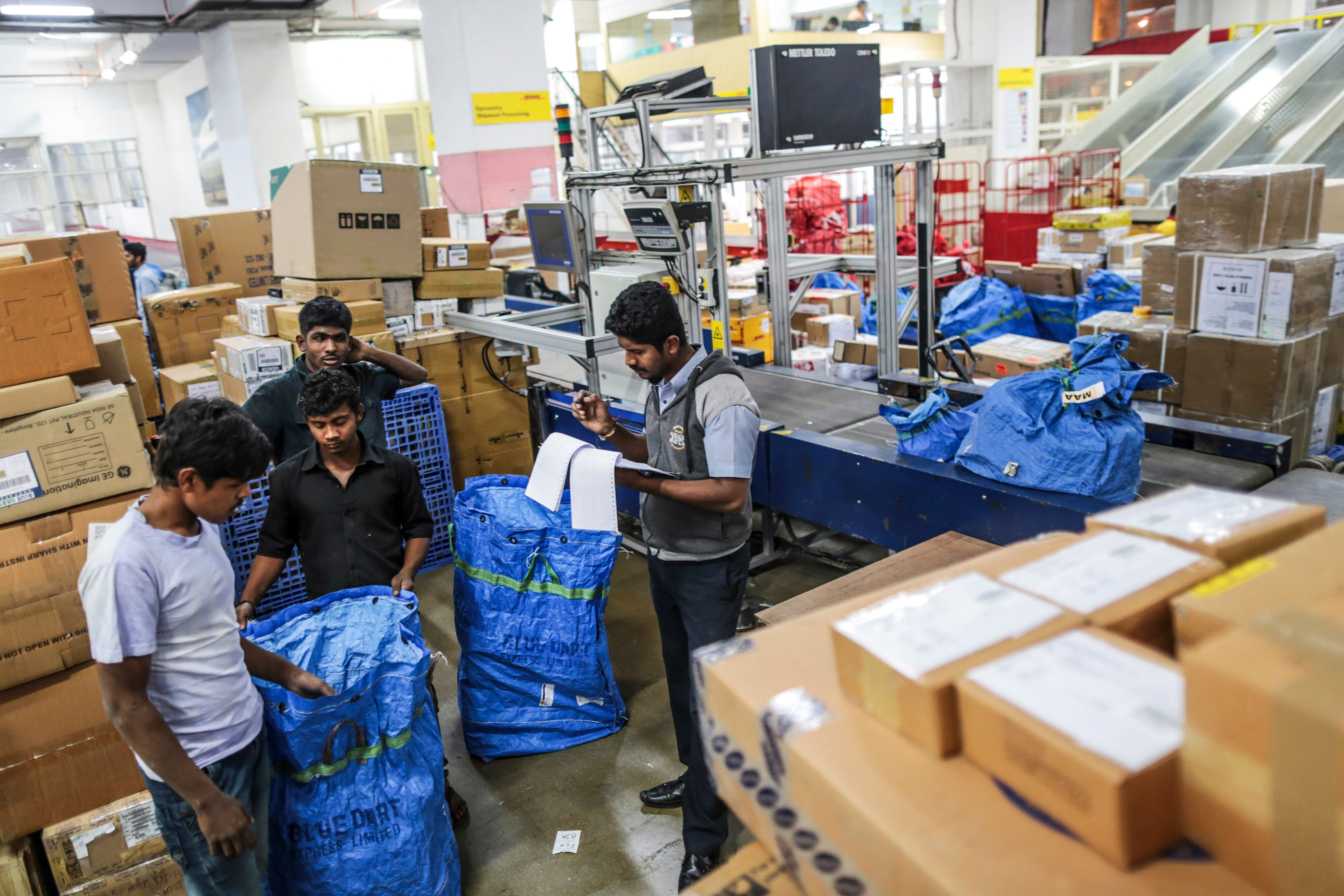
Union Minister Arun Jaitley too had dismissed the idea of a single rate GST as "flawed" saying that it can only work in a country where the entire population has 'similar and high' capacity to spend.
Subramanian said that GST implementation "has not been too bad" in the first year of difficult implementation.
"My own view is the more you rely on carrot, and less you rely on sticks, you facilitate formalisation of economy. That's what I like about GST. It is not heavy handed. Its a kind of self policing," he said.
GST, which subsumed over a dozen of local taxes, was rolled out on July 1 last year.
The CEA headed panel had in its report way back in 2015 had recommended a range for revenue-neutral rate of 15-15.5 percent for the proposed Goods and Services Tax with a preference for the lower one.
It also suggested a range of ‘standard' tax rate of 17-18 percent for bulk of goods and services, while recommending 12 percent for ‘low rate goods' and 40 percent for demerit goods like luxury car, aerated beverages, pan masala and tobacco. For precious metal, it recommended a range of 2-6 per cent.
Subramanian also said that India needs an independent fiscal council which brings out independent views on how government does accounting for public finances. “We need to get more independent people doing this (government accounting) with better access to data...People should have trust that everything is properly accounted for.”

-
Getting To Work Costs Women More | The Reason Why

It is not just about women paying more than men. It is about women paying much more in cities than in villages.
-
AI Bias In Investing Cannot Be Eliminated, But It Can Be Governed
Framing is a particularly important example as identical financial information presented in terms of gains rather than losses can lead an LLM to reach a different assessment.
-
Joining The Dots | Dark Skies, Steady Diya: Why Hope Holds This Diwali
With war, a weak rupee and foreign outflows weighing on sentiment, policymakers at the NDTV World Summit and market veterans at NDTV Profit Ignite: Diwali Edition offered the same advice: stay invested and filter out the noise.
-
The Curious Case of Equitas Small Finance Bank And A CEO Who Quit For Stock
PN Vasudevan believes persistent investor concerns over a perceived conflict of interest had become a governance overhang on Equitas Small Finance Bank's stock, even as the lender improved profitability and asset quality.
-
Talking Points This Week: AI Cash Burn, A Tiger Comeback And An India That Still Finds Its Own Path
India is not immune to higher oil or tighter global liquidity, yet its earnings base is broader, its domestic policy levers are still available.
-
Foreign Investors Own Half Of HDFC Bank and ICICI Bank. An LTCG Cut Could Matter Most Here
Foreign portfolio investors have US$115 billion parked in HDFC Bank, ICICI Bank. If the government cuts long-term capital gains tax, Jefferies says returning foreign money could land here first.
-
'Never Seen This Level Of Negativity': Sandeep Tandon Says The Next Rally May Be Closer Than You Think
Veteran investor Sandeep Tandon says foreign selling is easing, large-caps are due a comeback and mid-caps are crowded, while he turns positive on gold, power and pharma this Diwali.
-
Indians Stay With Family, Not In Hotels | The Reason Why
India still lacks enough clean, reliable and affordable hotels for budget-conscious travellers.
-
The Economic Imperative: Analysing The Material Driving Force Behind India-Canada Strategic Reset
This economic complementarity is further reinforced by deep institutional investment ties and talent mobility, which form the bedrock of the bilateral framework.
-
Medicine Pricing: Where Must Profit Stop?
India must confront excessive margins, hidden incentives and regulatory gaps that threaten the integrity of medicine.










