GST Council To Consider Slashing Rates On Common Use Goods
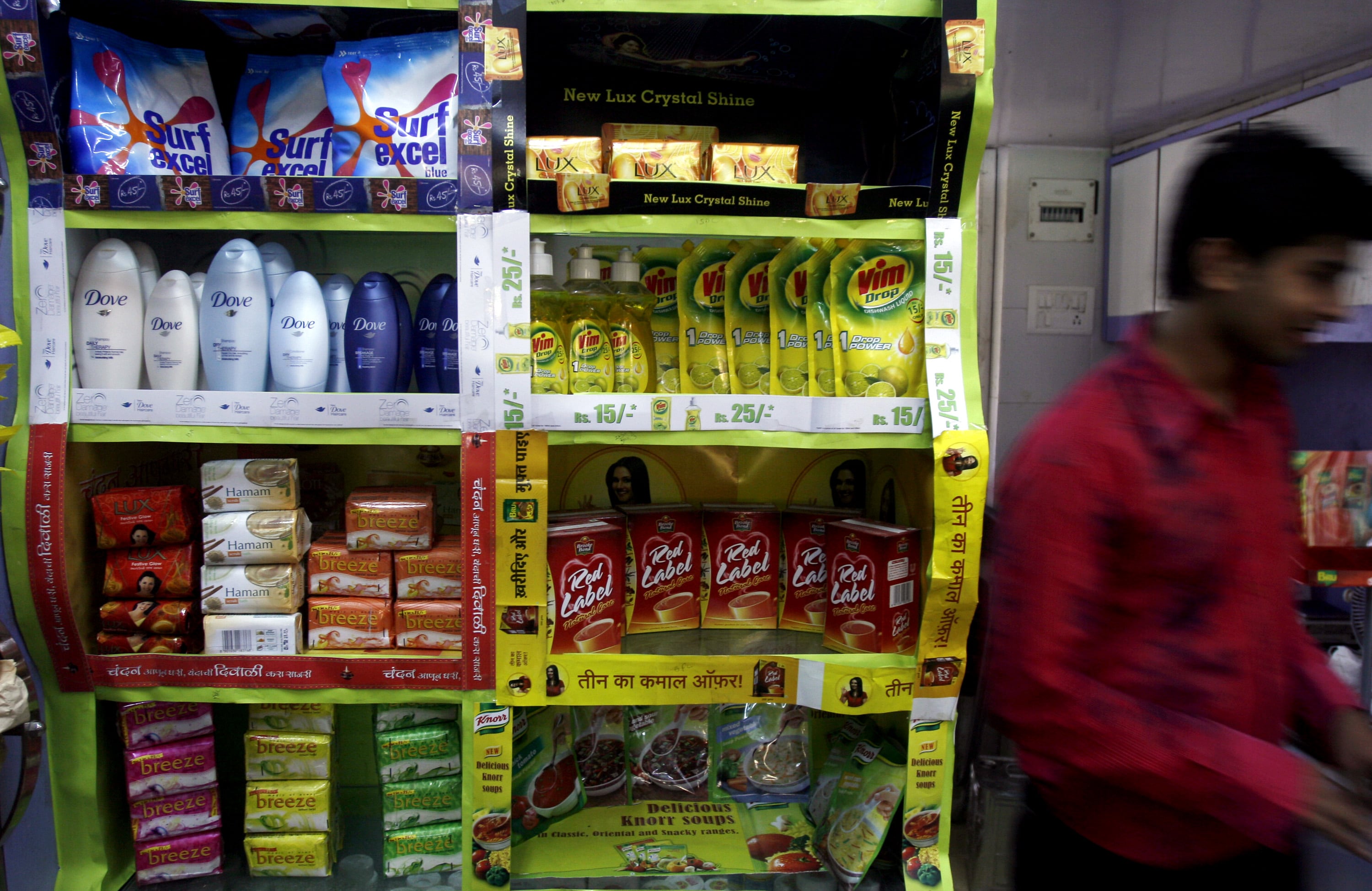
The Goods and Services Tax council may consider lowering tax rates on a host of goods such as handmade furniture, plastic products and daily use items like shampoo, and simplify return filing rules in its meeting this week.
The council, headed by Finance Minister Arun Jaitley, is scheduled to meet on Nov. 10 to consider lowering of the 28 percent GST rate on certain common use items, government officials said.
In further relief to small and medium enterprises, the panel is likely to rationalise tax rate in sectors where the total incidence of taxation has gone up because the goods were earlier either exempt from excise or was attracted lower value-added tax rates in the previous indirect tax regime.
The council has been meeting every month since the Goods and Services Tax (GST) regime, which amalgamated over a dozen central and state taxes, was introduced on July 1. The meetings have resulted in an array of changes to ease compliance burden on businesses as well as provided relief to consumers.
A rationalisation of items in the 28 percent tax bracket is expected. Most of the daily use items could be lowered to 18 percent. Also, the tax rate on items like furniture, electric switches, plastic pipes could be relooked.An official said
All types of furniture attract a 28 percent tax under GST. Wooden furniture is handmade by unorganised sector artisans and is mostly used by middle class families and there have been demands for lowering tax incidence on them.
Also, some items of plastic attract 18 percent GST but goods like shower baths, sinks, wash basins, bidets, lavatory pans, seats and covers, flushing cisterns and similar sanitary ware of plastics attract 28 per cent levy.
There is a need for rationalisation of tax rates on these items, officials said.
The plastic manufacturers in their representation to the revenue department had said that 80 per cent of the industry is in MSME category.
Besides, the GST rate on weighing machines, compressors may also be rationalised to 18 percent from 28 percent.
Officials said 90 percent of the manufacturers are from small and medium industries who in the pre-GST era were exempted from excise duty on manufactured value of less than Rs 1.5 crore. Hence, such machines only attracted VAT of 14.5 percent.
With regard to compressors, the total pre-GST incidence was 17.5 percent (12.5 percent excise duty and 5 percent VAT), they said stressing on need to rationalise the tax incidence.
The GST Council, which comprises of representatives of all states, have already rationalised tax rates for over 100 items. The council has last month approved an Approach Paper to be followed by the fitment committee while deciding on future rate revisions.
Under GST various goods and services have been bracketed in 5, 12, 18 and 28 percent.
GST has subsumed over a dozen taxes, including excise, service tax and VAT, and transformed India into a single market.

-
One Battle After Another: India's Corporate Dynasties Battle For Control

2026 could go down as Corporate India's year of succession wars, governance battles and family fault lines.
-
Rs 50-Lakh Gold In Bank Locker, Rs 3 Lakh Of Protection: The Gap Most Families Don't Know About
The RBI ties a bank's liability to the annual locker rent and families who want to insure their jewellery face a separate question about how to prove what was inside.
-
The More Food Turns Into Fuel, The Harder It Is To Read Agricultural Markets | The Reason Why
A policy designed to reduce dependence on imported fuel can create new pressures elsewhere in the food economy.
-
Your iPhone Costs 12 Grams Of Gold, A Car About 100. What Does Your Life Weigh?
Measured in rupees, almost everything looks more expensive than it did a generation ago. Measured in grams of gold, a lot of it has become cheaper.
-
Gold Is Rs 22,000 Cheaper Than A Month Ago. Should You Buy Amid The Wedding Season?
Gold's potential slide to $3,500 could save around Rs 4,700 per 10 grams, but a soft inflation print could just as easily push prices back up. One way to split the risk is to buy in parts, some now and the rest after the Fed's Dec. 9 decision.
-
AI Agents Are Gaining Power. Who Governs Them?
Artificial intelligence agents promise to transform productivity by moving machines from assisting decisions to executing them. But as organisations delegate greater authority to these AI-agents, they must first establish who controls that authority and who remains accountable when things go wrong.
-
Why Swapping Your Old Gold Can Trigger A Rs 5 Lakh Tax Bill, And How You Can Avoid It Legally
Swapping old gold for new is taxed as a sale and a fresh purchase. Getting your own gold remade can cut most of that bill, though it has its own costs.
-
The AI Trade is Done. The Real Opportunity for Investors Starts in 2027 | Unhedged Position
As pureplay AI stocks plunge and circular, capex-led financing unwinds, 2027 is set to be a year of reckoning for AI companies. Yet the bust clears the way for a better opportunity for investors in 2027 -- shifting the spotlight from AI builders to the companies using AI.
-
Leadership As Mission: Why The Age Of AI Demands More Human Leadership
Debjani Ghosh examines how AI is changing leadership, arguing that its success must be measured by its impact on people and the accountability of those guiding its use.
-
We May Need Another Tukaram Mundhe To Fight Air Pollution | The Reason Why
Developers may install basic measures such as sprinklers and green nets, resume work, and continue violating rules when this equipment stops working.









