GST Collection Stays Above Rs 1 Lakh Crore For Sixth Month In A Row
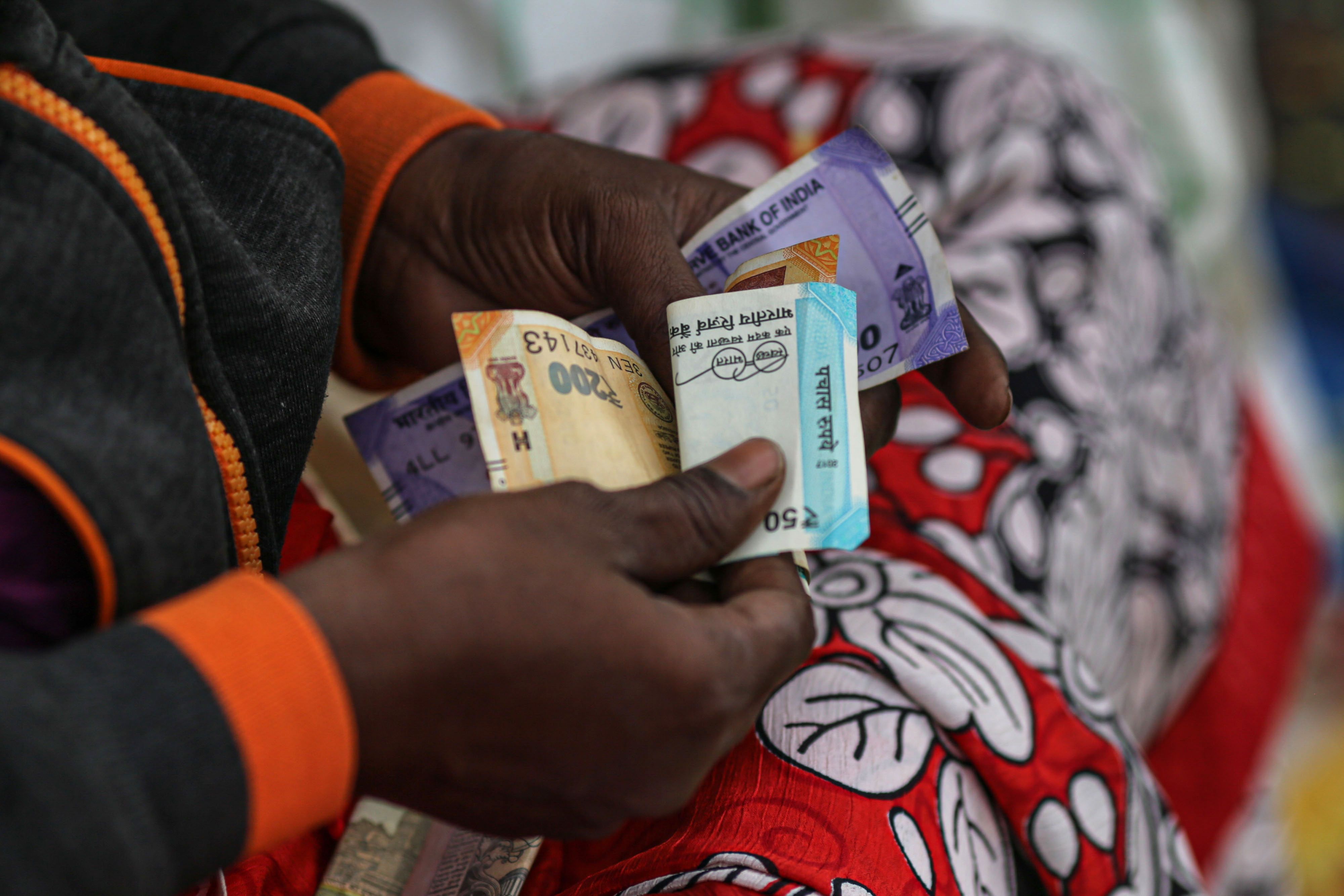
The government's goods and service tax revenue collection stayed above Rs 1 lakh crore for the sixth straight month.
GST revenue for November, collected in December, stood at Rs 1,29,780 crore, according to a statement by the Finance Ministry. That's 13% higher than a year ago and 26% greater than revenue in pre-pandemic December 2019.
The ministry also said average monthly gross GST collection for the third quarter of the ongoing fiscal has been Rs 1.30 lakh crore.
Break-Up Of GST Collections
Central GST: Rs 22,578 crore.
State GST: Rs 28,658 crore.
Integrated GST: Rs 69,155 crore, including Rs 37,527 crore collected on import of goods.
Cess: Rs 9,389 crore, including Rs 614 crore collected on import of goods.
Reduced E-Way Bill Generation
The ministry said economic recovery along with anti-evasion activities, action against fake billers and rate rationalisation measures undertaken by the GST Council to correct inverted duty structure resulted in higher tax collections.
While the collection fell 1.32% over October, the statement said the number of e-way bills, at 6.1 crore, fell 17% month-on-month owing to improved tax compliance and better tax administration by central and state tax authorities.
The positive trend in revenues is expected to continue into the last quarter too, the statement said.
State-Wise Tally
GST collections rose the most over the preceding year in Odisha—at 43%—to Rs 4,080 crore.
Other states like Maharashtra, Karnataka, Gujarat, Tamil Nadu and Uttar Pradesh recorded high collections, with collections in Maharashtra and Karnataka growing in double digits.
Collections in Maharashtra grew 11% year-on-year to Rs 19,592 crore, while those in Karnataka rose 12% over the preceding year to Rs 8,335 crore.
Among other major states, collections increased 2% to Rs 7,336 crore in Gujarat, fell 4% to Rs 6,635 crore in Tamil Nadu and dropped 2% year-on-year to Rs 5,937 crore in Uttar Pradesh.

-
India's Troika Of Good Luck | Joining The Dots

A weaker Trump, a cooling AI trade and resilient earnings have put Indian markets back in favour. Rising inflation could spoil the party.
-
Talking Points This Week: Leadership Shock At Nvidia, Earnings Strength, And The Fog Over Hormuz
The Anthropic IPO pricing and first trading day, Nvidia's upcoming earnings, and any fresh signals from Iran will set the tone for the following week.
-
Signature Play: The Classic Cocktail Is Dead. Or Is It?
Classic cocktails are disappearing from India's cocktail menus. But they're still being ordered, taught to bartenders and borrowed from. So, who's really having the last drink?
-
A New Samvat Wishlist: Inclusive Prosperity And Human Development
India has strengthened its economic foundations through infrastructure, digital access and enterprise. Its next growth chapter must deepen productivity, create better livelihoods and widen participation in prosperity.
-
Love, Sex Aur Dhokha: The Audacious Plot To Spy On Jensen Huang
A Taipei dinner, a Singapore chip buyer and a suspected Chinese asset: inside the alleged spy operation that got close to NVIDIA's Jensen Huang.
-
Ten Things I Learnt This Samvat
Patience can be a trap. Cheap stocks can stay cheap. Leverage can wipe you out. What did Samvat 2082 teach us? Niraj Shah writes on 10 lessons from the year gone by.
-
Talking Points This Week: Tech Nerves, FII Buying, And A Faraway Banking Shock
The global markets are not shining this Diwali. The exception in the large markets is, India.
-
Midterm Rally Lasted A Day. The Hard Reality Of A Divided US May Last Two Years | Opinion
Between a contested AI boom, a debt ceiling that arrives in 2027 and a president with every incentive to act alone, the next two years may prove more volatile than the first day's rally suggests.
-
Blue Wave Will Derail the AI Trade but Won't Dismantle the AI Era | Unhedged Position
The Democrats' sweep of the US Congress will see politics collide with economic forces both over the long and short term.
-
It's Time To Take The GST Council's Bet On Trust Global
Payment records can prove India's services exports, and clear, proportionate rules can bring foreign digital sellers into the tax net.









