Final US Tariff May Be Lower Than 25%, Says Goldman Sachs' Santanu Sengupta
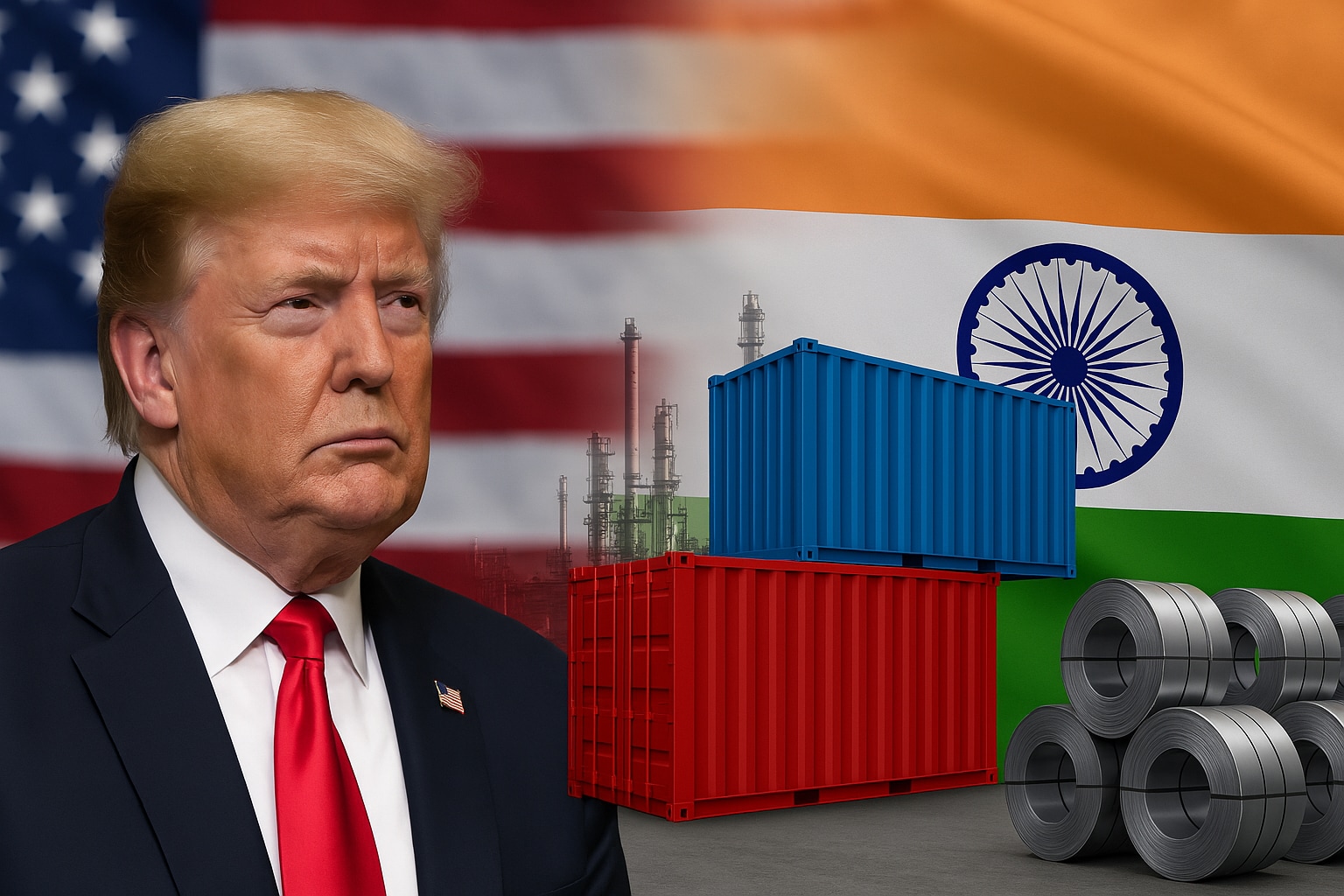
The final rate of US tariffs on India could be lower than 25%, said Santanu Sengupta, chief India economist, Goldman Sachs. He said the investment bank was awaiting the outcome of a trade agreement between the U.S. and India before revising its growth forecasts.
There have been several rounds of negotiations between the teams of both countries. The Commerce Ministry has also issued a press release stating they are looking for a fair, balanced, and mutually beneficial trade agreement, Sengupta said.
However, uncertainty remains around potential penalties related to Russian purchases. Sengupta said the brokerage has published sensitivity analyses which are easier to comprehend at this stage pending a final official announcement.
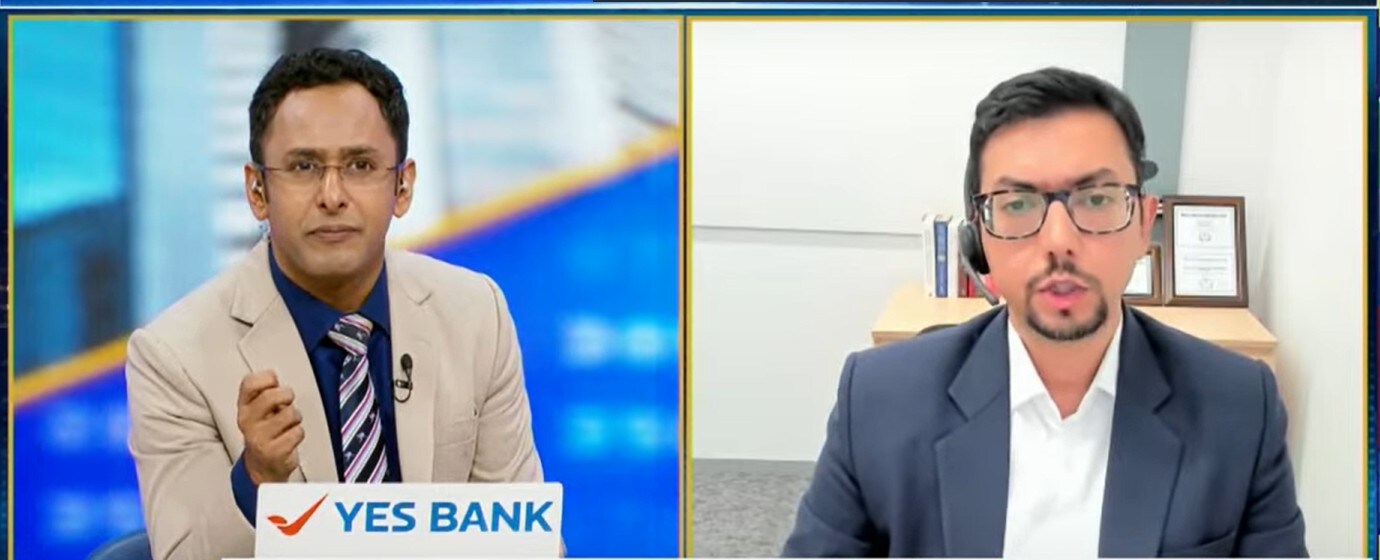
Santanu Sengupta, Chief India Economist, Goldman Sachs, was speaking to NDTV Profit at the India Market Open Show
In case the 25% tariff takes shape, along with higher tariffs for steel, aluminum, automobile products, the blended rate will be 26.5%, according to Goldman Sachs' estimates. The estimates do not include penalties. Hence, the assumed blended tariff will cause a 30 basis points drag on an annualised basis, he said.
It will cause a 10 basis points impact for the five months left in the year. The actual impact is limited, while indirect impact is more because of the uncertainty, Sengupta said.
India's Domestic Picture Looks Good
On the domestic front, Goldman Sachs finds it positive for bottom-end consumers, he said.
There are multiple macro factors working in favour of rural India, and the overall mass urban side. Agricultural production has been quite good, food inflation has declined which gives a boost to the real income. In fact, real-wage growth is nearing 4% in the rural economy, which is at a multi-year high, Sengupta said.
Further, fiscal transfers are coming in at the sub-national level targeting women in lower-income households. All of these combined are acting as a catalyst for rural and mass recovery. It has nothing to do with tariff-related impacts, he said.
Goldman Sachs is concerned about capital expenditure in India, he said.
The 100-basis-point rate cut, along with liquidity easing, typically feeds into the real economy with a lag of two to three quarters, he said, adding, by the end of this financial year, the effects of monetary policy easing will become visible.
The fiscal has been a big drag on growth in the last couple of years because it was consolidating by 80 basis points each in the previous two years. There was a total 1.6% of consolidation, he said.
The planned consolidation for this year is only 40 basis points which is a lesser drag on growth. Hence, overall policy drag is lower which is making the domestic levers looking attractive, he said.

-
We May Need Another Tukaram Mundhe To Fight Air Pollution | The Reason Why

Developers may install basic measures such as sprinklers and green nets, resume work, and continue violating rules when this equipment stops working.
-
Extracting Value From Battery Scrap Could Be Challenging For India | The Reason Why
A discarded lithium-ion battery still contains valuable materials such as lithium, nickel and cobalt. These can be recovered and reused. When such batteries are crushed and shredded, they produce a dark powder called black mass.
-
One El Nino, India Can Handle. Two Could Break The Granary
India's grain stocks can absorb one bad year, but a second El Nino could drain the buffer in two to three years, economists say.
-
India's Troika Of Good Luck | Joining The Dots
As Jensen Huang's exit drags Nvidia down, a cooling AI trade and resilient earnings have revived investor interest in India. A likely RBI rate hike looms.
-
Talking Points This Week: Leadership Shock At Nvidia, Earnings Strength, And The Fog Over Hormuz
The Anthropic IPO pricing and first trading day, Nvidia's upcoming earnings, and any fresh signals from Iran will set the tone for the following week.
-
Signature Play: The Classic Cocktail Is Dead. Or Is It?
Classic cocktails are disappearing from India's cocktail menus. But they're still being ordered, taught to bartenders and borrowed from. So, who's really having the last drink?
-
A New Samvat Wishlist: Inclusive Prosperity And Human Development
India has strengthened its economic foundations through infrastructure, digital access and enterprise. Its next growth chapter must deepen productivity, create better livelihoods and widen participation in prosperity.
-
Love, Sex Aur Dhokha: The Audacious Plot To Spy On Jensen Huang
A Taipei dinner, a Singapore chip buyer and a suspected Chinese asset: inside the alleged spy operation that got close to NVIDIA's Jensen Huang.
-
Ten Things I Learnt This Samvat
Patience can be a trap. Cheap stocks can stay cheap. Leverage can wipe you out. What did Samvat 2082 teach us? Niraj Shah writes on 10 lessons from the year gone by.
-
Talking Points This Week: Tech Nerves, FII Buying, And A Faraway Banking Shock
The global markets are not shining this Diwali. The exception in the large markets is, India.









