Covid-19 Economic Package: MNREGA Budget Raised To An All-Time High Of Rs 1 Lakh Crore
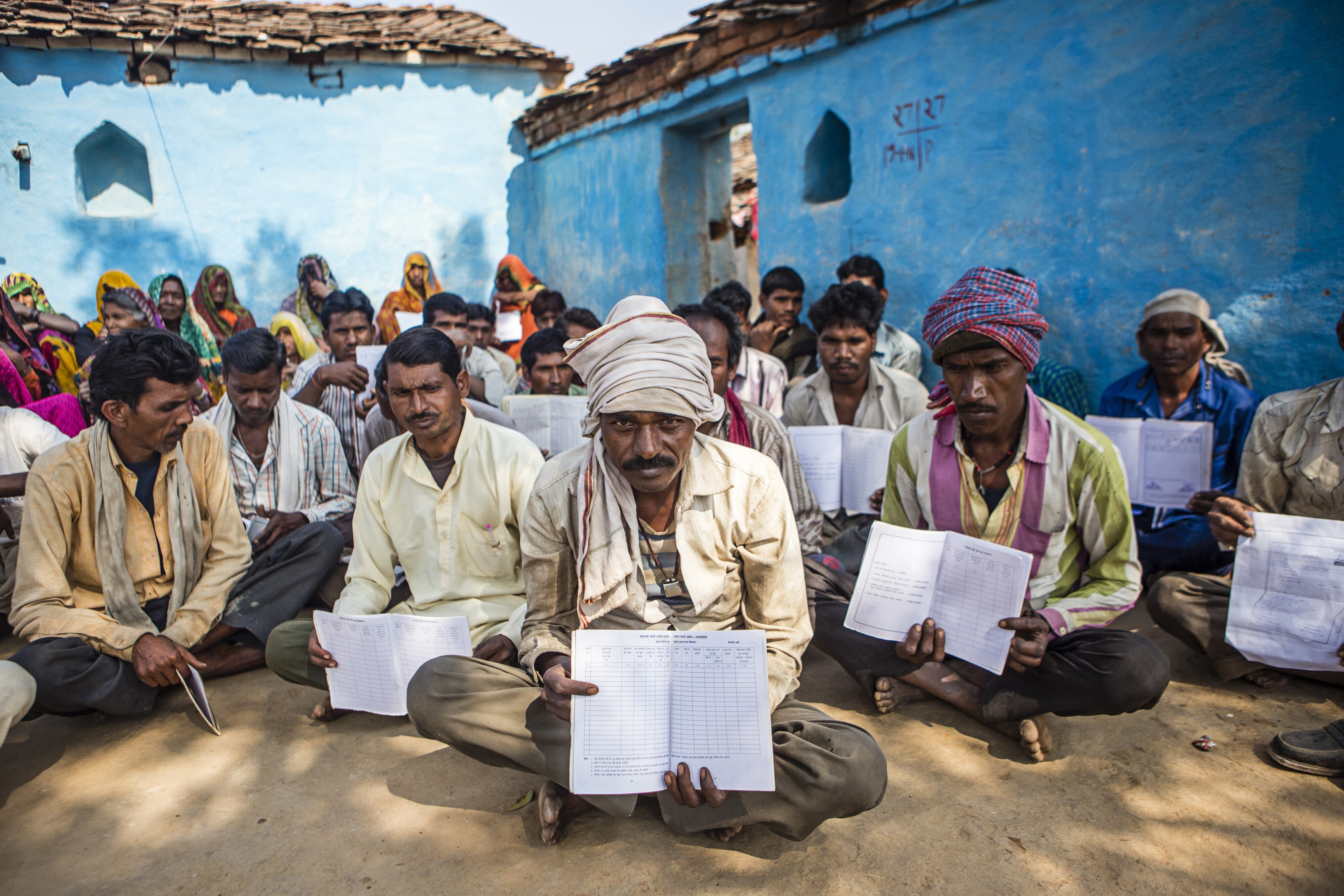
The Indian government has raised the allocation of its flagship rural employment guarantee scheme amid concerns that employment opportunities will decline due to the impact of Covid-19. Significant reverse migration from urban areas back to rural areas is also expected to lead to increased demand for work under the Mahatma Gandhi National Rural Employment Guarantee Scheme.
Announcing the final tranche of a Rs 20 lakh crore economic relief package, the government said the budget for MGNREGA would be raised by Rs 40,000 crore over and above 2020-21 budget allocation of Rs 61,500 crore.
“A lot of workers are going back to their villages and we have made provisions so that they can enroll in MNREGA. This way we will ensure that during the monsoon season, since many workers have gone back to the villages, they will get jobs,” Finance Minister Nirmala Sitharaman said at a press conference on Sunday.
Also Read: Government Allows Increased State Borrowings With Conditions Attached
According to data available on the MNREGA website, close to 265.4 crore person days worth of employment was provided under the scheme in 2019-20 compared to nearly 268 crore person days worth of employment in the previous year. Since April this year, over 16.9 crore person days worth of employment has been provided under the scheme.
Given the restrictions imposed during the nationwide lockdown, which began in last week of March this year, employment under the flagship rural jobs guarantee programme fell to a five-year low last month, BloombergQuint reported on April 29. Since then, the government has clarified that work under the rural guarantee scheme can continue under physical distancing guidelines.
The increase in budget and the decision to continue work in the monsoon season is a “good start”, said Reetika Khera, professor at Indian Institute of Management, Ahmedabad.
About Rs 11,000 crore of what was announced in the budget this year will go towards clearing last year's arrears. Rs 40,000 crore is a good start but the govt should commit to making more available.The announcement regarding keeping works open during the monsoon season is very important. The monsoon is the ‘hungry season', when people's food stocks run out. Generally, MGNREGA used to close at that time so it doesn't compete with the agricultural labour market.Reetika Khera, Professor, IIM-Ahmedabad
According to a January report from the Accountability Initiative of the Centre for Policy Research, the pending liabilities under MGNREGA have risen steadily from Rs 591 crore in FY15 to Rs 4,193 crore in FY19. Till the end of the third-quarter of FY20, total payments due stood at Rs 6,430 crore, the report said.
"Over the years, the amount of pending liabilities due or expenditure incurred by states over and above their funds available has been increasing. These liabilities have accumulated as a result of delays in payments for both wages and material costs and are to be reimbursed by the government,” it said.
Khera added that the increased allocation must be combined with simplification of MGNREGA to ensure that people get work easily and get paid on time. “This includes keeping one large worksite open in each village, removing the requirement to demand work, and even cash payment of wages,” she said.

-
AI Bias In Investing Cannot Be Eliminated, But It Can Be Governed

Framing is a particularly important example as identical financial information presented in terms of gains rather than losses can lead an LLM to reach a different assessment.
-
Joining The Dots | Dark Skies, Steady Diya: Why Hope Holds This Diwali
With war, a weak rupee and foreign outflows weighing on sentiment, policymakers at the NDTV World Summit and market veterans at NDTV Profit Ignite: Diwali Edition offered the same advice: stay invested and filter out the noise.
-
The Curious Case of Equitas Small Finance Bank And A CEO Who Quit For Stock
PN Vasudevan believes persistent investor concerns over a perceived conflict of interest had become a governance overhang on Equitas Small Finance Bank's stock, even as the lender improved profitability and asset quality.
-
Talking Points This Week: AI Cash Burn, A Tiger Comeback And An India That Still Finds Its Own Path
India is not immune to higher oil or tighter global liquidity, yet its earnings base is broader, its domestic policy levers are still available.
-
Foreign Investors Own Half Of HDFC Bank and ICICI Bank. An LTCG Cut Could Matter Most Here
Foreign portfolio investors have US$115 billion parked in HDFC Bank, ICICI Bank. If the government cuts long-term capital gains tax, Jefferies says returning foreign money could land here first.
-
'Never Seen This Level Of Negativity': Sandeep Tandon Says The Next Rally May Be Closer Than You Think
Veteran investor Sandeep Tandon says foreign selling is easing, large-caps are due a comeback and mid-caps are crowded, while he turns positive on gold, power and pharma this Diwali.
-
Indians Stay With Family, Not In Hotels | The Reason Why
India still lacks enough clean, reliable and affordable hotels for budget-conscious travellers.
-
The Economic Imperative: Analysing The Material Driving Force Behind India-Canada Strategic Reset
This economic complementarity is further reinforced by deep institutional investment ties and talent mobility, which form the bedrock of the bilateral framework.
-
Medicine Pricing: Where Must Profit Stop?
India must confront excessive margins, hidden incentives and regulatory gaps that threaten the integrity of medicine.
-
Why Amazon And Flipkart Are Struggling To Beat Meesho In India's Smaller Cities
With 274 million users and lowest-cost logistics, Meesho is defending its value commerce crown against giants like Amazon and Flipkart.










