Clamour Grows To Bring Petroleum Under GST; Jammu & Kashmir Fires First Salvo
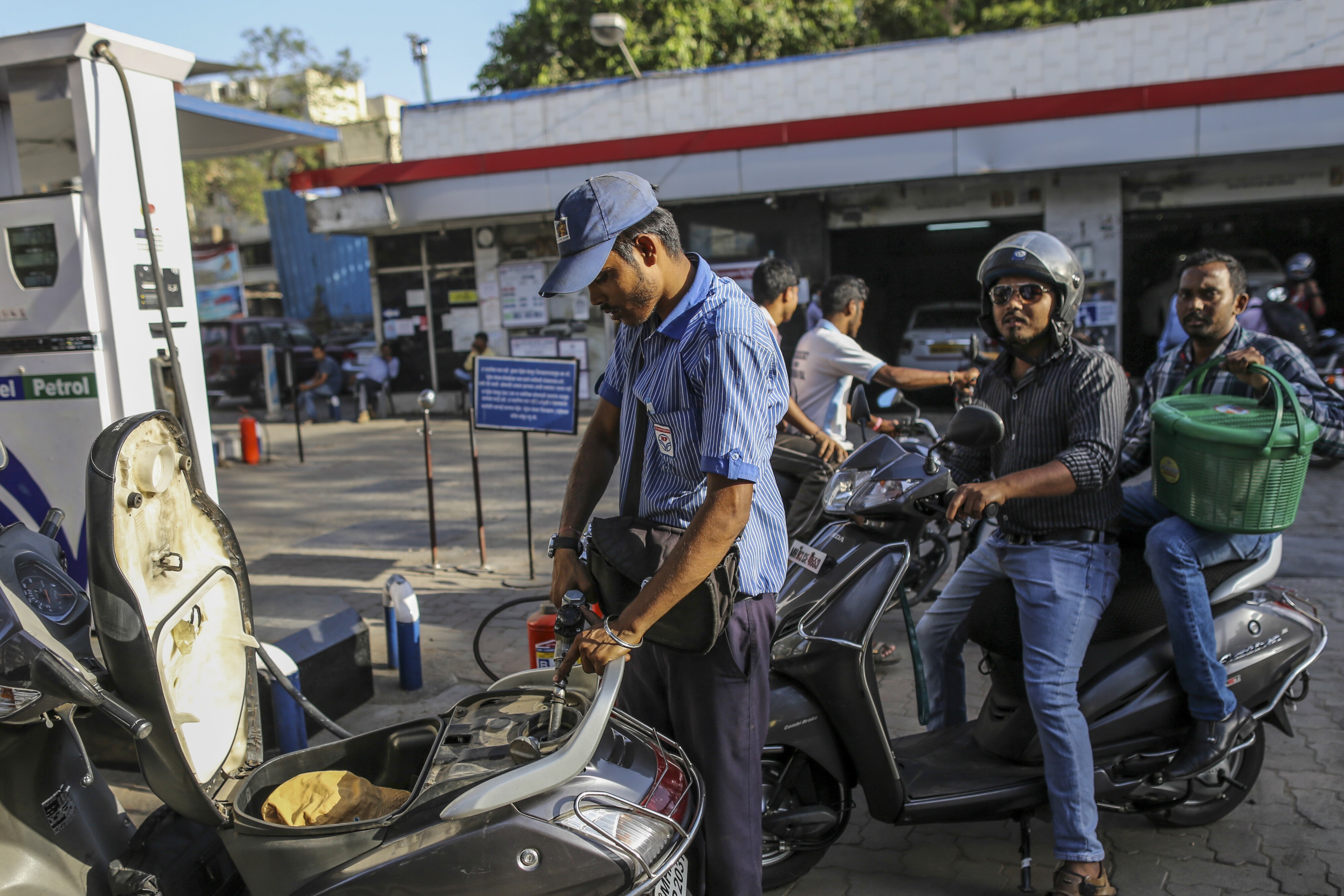
Now that the Goods and Services Tax (GST) rates for over 500 services and 1,200 goods have been finalised, the clamour to get petroleum products under the new indirect tax regime is growing, with the first salvo being fired by Jammu & Kashmir.
While products like kerosene, naphtha and LPG will be under the ambit of GST, five items — crude oil, natural gas, aviation fuel, diesel and petrol — have been excluded from the basket for the initial years.
In an interview to PTI, Jammu & Kashmir Finance Minister Haseeb Drabu said the five excluded petroleum products have to be brought under the GST "otherwise what is the point of "the biggest shakeup in the nation's tax system since independence.
Why dilute the structure, if you have moved and created an architecture, now don't destroy it by making all these silly things (of excluding products).Haseeb Drabu, Finance Minister, Jammu & Kashmir
These comments echo the views of various experts who want these products included in the GST right from the start.
The five petroleum items have been kept out of GST as they are considered cash cows, giving both the Centre and states bulk of their tax revenues. But keeping them out has created compliance issues including taking input tax credit. For example, a refinery producing diesel and petrol would pay GST on the procurement of plant, machinery and services but that tax would not be creditable against excise duty and VAT levied on petrol and diesel.
Drabu, who last week hosted the 14th meeting of the GST Council, which decided on the tax rates for a plethora of goods and services, said the rollout of the new indirect tax regime is in the last lap now.
"I think July 1 (for rollout of GST) is doable," he said, adding that the twin issues of information technology that will support administration of the new tax system, and awareness among tax payers need to be addressed.
"We have moved from a system of assessed to self assessment. It's a huge change. So awareness is required. Information technology will have glitches, I mean any system will have issue. But I think July 1 is doable," he said.
Over the two-day meeting, the GST Council fixed rates for more than 500 services and 1,200 goods by slotting them into GST's broad rates of 5, 12, 18 and 28 percent. Drabu said these tax rates are in line with the new emerging consumption basket of the new India.
He said buoyancy in taxes would compensate for any loss of revenue from GST.
One of the things that the Council should recommend is now ask the CPI (Consumer Price Index) to do a new survey and get a new basket of commodities and then you will see a much realistic inflation. So the link between GST and inflation might actually get much more confident and might dampen the whole thing.Haseeb Drabu, Finance Minister, Jammu & Kashmir
The buoyancy, he said, will kick in from second or third or maybe fourth year when efficiency gains will happen.
"The other thing which is not being adequately recognised is that GST will push the direct taxes also," he said, adding that more money in hands of businessmen or companies would result in higher income or corporate taxes.

-
Getting To Work Costs Women More | The Reason Why

It is not just about women paying more than men. It is about women paying much more in cities than in villages.
-
AI Bias In Investing Cannot Be Eliminated, But It Can Be Governed
Framing is a particularly important example as identical financial information presented in terms of gains rather than losses can lead an LLM to reach a different assessment.
-
Joining The Dots | Dark Skies, Steady Diya: Why Hope Holds This Diwali
With war, a weak rupee and foreign outflows weighing on sentiment, policymakers at the NDTV World Summit and market veterans at NDTV Profit Ignite: Diwali Edition offered the same advice: stay invested and filter out the noise.
-
The Curious Case of Equitas Small Finance Bank And A CEO Who Quit For Stock
PN Vasudevan believes persistent investor concerns over a perceived conflict of interest had become a governance overhang on Equitas Small Finance Bank's stock, even as the lender improved profitability and asset quality.
-
Talking Points This Week: AI Cash Burn, A Tiger Comeback And An India That Still Finds Its Own Path
India is not immune to higher oil or tighter global liquidity, yet its earnings base is broader, its domestic policy levers are still available.
-
Foreign Investors Own Half Of HDFC Bank and ICICI Bank. An LTCG Cut Could Matter Most Here
Foreign portfolio investors have US$115 billion parked in HDFC Bank, ICICI Bank. If the government cuts long-term capital gains tax, Jefferies says returning foreign money could land here first.
-
'Never Seen This Level Of Negativity': Sandeep Tandon Says The Next Rally May Be Closer Than You Think
Veteran investor Sandeep Tandon says foreign selling is easing, large-caps are due a comeback and mid-caps are crowded, while he turns positive on gold, power and pharma this Diwali.
-
Indians Stay With Family, Not In Hotels | The Reason Why
India still lacks enough clean, reliable and affordable hotels for budget-conscious travellers.
-
The Economic Imperative: Analysing The Material Driving Force Behind India-Canada Strategic Reset
This economic complementarity is further reinforced by deep institutional investment ties and talent mobility, which form the bedrock of the bilateral framework.
-
Medicine Pricing: Where Must Profit Stop?
India must confront excessive margins, hidden incentives and regulatory gaps that threaten the integrity of medicine.










