Centre Reverses Decade-Old Mandate For Coal Power Plants, Eases Sulphur Emission Rules
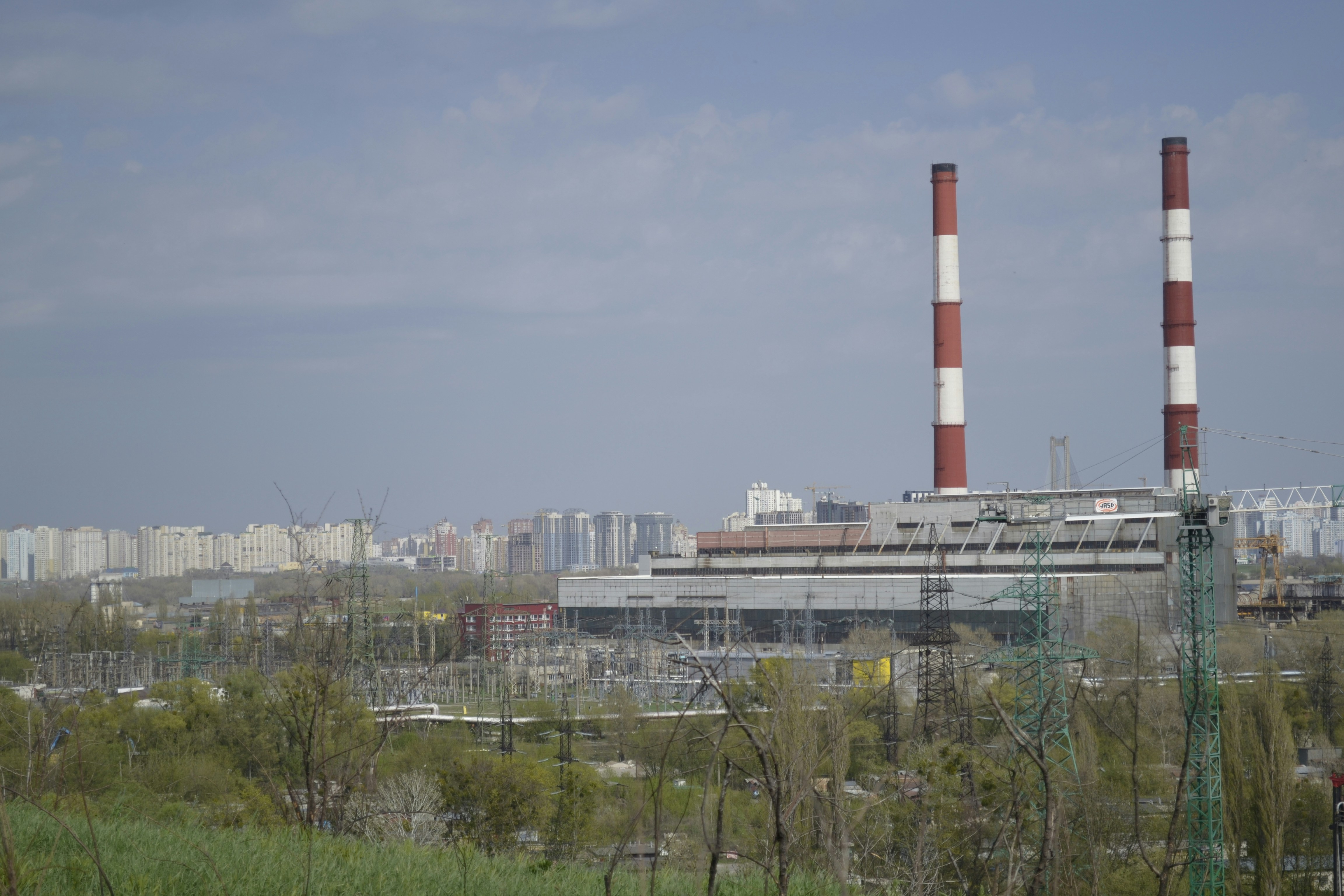
Centre has eased sulphur emission rules for most coal power plants, exempting 79 percent of the plants from installation of flue-gas desulphurisation (FGD) systems, as per a government order issued on July 11.
These plants are located beyond 10 km from pollution hotspots.
According to the order, a case‑by‑case review will take place for another 11 percent plants. The remaining plants — 10 percent — which are primarily near Delhi and other major cities, will have to comply by December 2027.
The notification issued on Friday comes after the Central Pollution Control Board conducted a detailed analysis on the rise in "carbon dioxide emission into the atmosphere due to operation of control measures being deployed", it said.
Sulphur dioxide emission standards were published by India in 2015 for coal and lignite-based thermal power plants in the country which prescribed certain timelines that were later amended, added the notification.
Even after multiple extensions, 92% of coal-fired power plants have not yet installed flue gas desulphurization units to control SO2 emissions, a major air pollutant that converts into fine particulate matter (PM2.5) and causes a range of diseases.
The July 11 notification quotes the environment ministry as stating that the compliance deadline for Category A plants, located within a 10-km radius of the National Capital Region or cities with a population of over one million, has been extended from December 2024 to December 2027.
Category B plants, situated within a 10-km radius of critically polluted areas or non-attainment cities, will now be assessed on a case-by-case basis instead of adhering to the earlier 2025 deadline.
Category C plants -- all others not falling under Category A or B -- have been completely exempted from the sulphur dioxide norms, provided they meet the prescribed stack height criteria by December 31, 2029. These plants were earlier required to comply by December 2026.
Of around 600 thermal power units in India, 462 are Category C units and 72 are Category B units.
The ministry said it had received many representations seeking exemption or relaxation in the timelines of the emission standards due to factors such as the 'limited availability of technology providers, its techno-economic feasibility, negative impact of COVID-19 pandemic on supply chain, price escalation due to high demand and low supplies, low SO2 concentration in ambient air and heavy burden on consumer due to increase in electricity prices etc'.
It added that it had also received an 'explicit recommendation' from the Ministry of Power in this regard.
The environment ministry said several studies were conducted by research institutions to assess the effectiveness and rationale behind the SO2 standards and their impact on ambient air pollution.
It said that consultations were held with the industry, the Ministry of Power, the CPCB, scientific institutions and other stakeholders on the emission norms and their timeline.
The ministry said a committee was constituted in the CPCB to "examine the issue in totality, assess the available study reports, other relevant materials and other related factors and make a recommendation on applicability of these standards and its timeline."
The CPCB, after detailed analysis, submitted its recommendation based on its study on the National Ambient Air Quality Standards of SO2; resource conservation in terms of avoiding additional consumption of water, auxiliary power and limestone; and the increase in carbon dioxide emissions due to operation of the deployed control measures and mining and transportation of limestone required for these measures.
It also considered the techno-economic feasibility of implementing such control measures in all coal or lignite-based thermal power plants and the application of the precautionary principle for control and abatement of air pollution in densely populated and other air pollution-sensitive areas, the ministry said.
It also considered the techno-economic feasibility of implementing such control measures in all coal or lignite-based thermal power plants and the application of the precautionary principle for control and abatement of air pollution in densely populated and other air pollution-sensitive areas, the ministry said.
According to the notification, thermal power plants declared to retire before December 31, 2030, are not required to meet the specified standards for sulphur dioxide emissions, provided they submit an undertaking to the CPCB and the Central Electricity Authority.
However, such plants shall be levied environment compensation from December 31, 2030, at the rate of Rs 0.40 per unit of electricity generated if they continue operating beyond the date specified in the undertaking without meeting the emission standards.
Category A plants that are currently under commissioning should also meet the standards by December 31, 2027. New Category A plants to be commissioned after December 31, 2027 shall operate only after ensuring compliance.
For Category B plants, whether existing or upcoming, the applicability of sulphur dioxide standards will be based on the recommendations of the 'Expert Appraisal Committee' constituted under the EIA Notification, 2006 and appropriate scientific studies.
In case environmental clearance (EC) has already been granted, the project proponent may opt for a review of the applicability of the standards by applying on the PARIVESH portal within six months from the date of issue of this notification.
If the standards are found to be applicable, they shall come into effect from December 31, 2028. In all other cases, such plants must comply with stack height criteria by the same date.
For upcoming plants without EC, the applicability and effective date of sulphur dioxide standards will be determined during the environmental clearance process under the EIA notification. If the standards are not made applicable, these plants shall follow the stack height norms issued in 1990.
The notification adds that for any Category B plant which does not opt for a review within the stipulated time frame, the sulphur dioxide standards will automatically apply from December 31, 2028.
The ministry said environment compensation will be levied on all non-retiring and non-compliant thermal power plants that continue to operate beyond the specified timelines. The compensation will be calculated based on the duration of non-compliance.
For delays of up to 180 days, the rate will be Rs 0.20 per unit of electricity generated. If the delay extends between 181 and 365 days, the compensation will be Rs 0.30 per unit. For plants that remain non-compliant beyond 365 days, the penalty will increase to Rs 0.40 per unit of electricity generated
(With PTI inputs)

-
One Battle After Another: India's Corporate Dynasties Battle For Control

2026 could go down as Corporate India's year of succession wars, governance battles and family fault lines.
-
Rs 50-Lakh Gold In Bank Locker, Rs 3 Lakh Of Protection: The Gap Most Families Don't Know About
The RBI ties a bank's liability to the annual locker rent and families who want to insure their jewellery face a separate question about how to prove what was inside.
-
The More Food Turns Into Fuel, The Harder It Is To Read Agricultural Markets | The Reason Why
A policy designed to reduce dependence on imported fuel can create new pressures elsewhere in the food economy.
-
Your iPhone Costs 12 Grams Of Gold, A Car About 100. What Does Your Life Weigh?
Measured in rupees, almost everything looks more expensive than it did a generation ago. Measured in grams of gold, a lot of it has become cheaper.
-
Gold Is Rs 22,000 Cheaper Than A Month Ago. Should You Buy Amid The Wedding Season?
Gold's potential slide to $3,500 could save around Rs 4,700 per 10 grams, but a soft inflation print could just as easily push prices back up. One way to split the risk is to buy in parts, some now and the rest after the Fed's Dec. 9 decision.
-
AI Agents Are Gaining Power. Who Governs Them?
Artificial intelligence agents promise to transform productivity by moving machines from assisting decisions to executing them. But as organisations delegate greater authority to these AI-agents, they must first establish who controls that authority and who remains accountable when things go wrong.
-
Why Swapping Your Old Gold Can Trigger A Rs 5 Lakh Tax Bill, And How You Can Avoid It Legally
Swapping old gold for new is taxed as a sale and a fresh purchase. Getting your own gold remade can cut most of that bill, though it has its own costs.
-
The AI Trade is Done. The Real Opportunity for Investors Starts in 2027 | Unhedged Position
As pureplay AI stocks plunge and circular, capex-led financing unwinds, 2027 is set to be a year of reckoning for AI companies. Yet the bust clears the way for a better opportunity for investors in 2027 -- shifting the spotlight from AI builders to the companies using AI.
-
Leadership As Mission: Why The Age Of AI Demands More Human Leadership
Debjani Ghosh examines how AI is changing leadership, arguing that its success must be measured by its impact on people and the accountability of those guiding its use.
-
We May Need Another Tukaram Mundhe To Fight Air Pollution | The Reason Why
Developers may install basic measures such as sprinklers and green nets, resume work, and continue violating rules when this equipment stops working.









