Cabinet Secretary Expresses Concerns Over Delays In Decision-Making, Says Its Against Essence Of Reforms
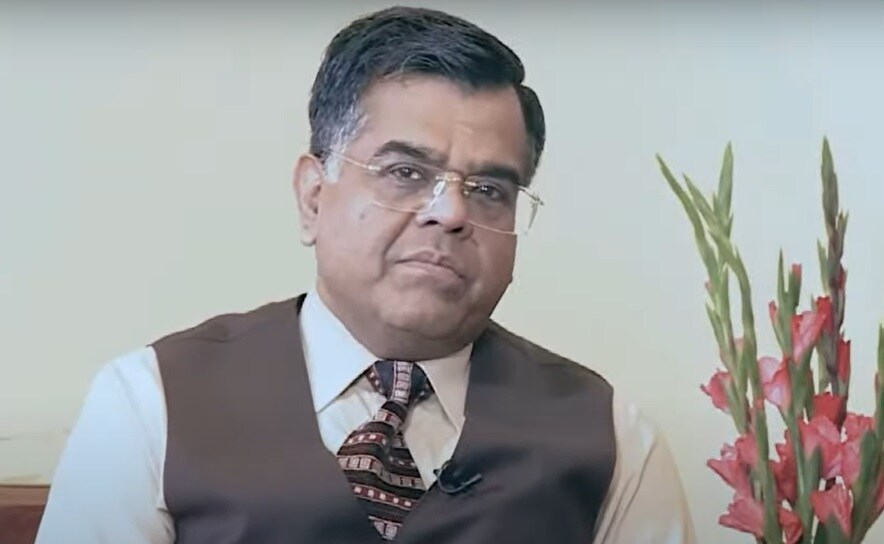
Cabinet Secretary TV Somanathan has expressed concerns over too many layers in decision-making, saying this is causing potential delays in file processing, which is against the essence of government reforms.
In its Nov. 27 letter, the country's top bureaucrat directed all central government secretaries to review the levels of decision-making across the board and suggested having a leaner and flatter organisational structure.
He said that ministries and departments should ensure that levels of decision-making should not exceed four and that the special secretary, additional secretary, and joint secretary should function independently as bureau heads.
The remark comes in the backdrop of trends observed in some ministries and departments where “delayering” is not being implemented in true spirit.
Delayering in this context means keeping the number of levels to the minimum by rationalising workload by delegating power to lower-rank bureaucrats.
“Delayering is not being implemented in true spirit, and a trend of increasing the channels of submission is against the essence of reforms undertaken so far and creates potential delays in file processing, the letter reads.
NDTV Profit has reviewed the letter.
His letter emphasises that increasing efficiency in decision-making is one of the government initiatives of making governance more responsive, accountable, and transparent.
“It aims at achieving a flatter and leaner organisational structure by putting in place appropriate delegation at various levels, rationalising workload, thereby speeding up decision-making while increasing productivity and efficiency of officers.
He seeks personal attention from secretaries and asks them to ensure that these measures should be implemented in letter and spirit.

-
Getting To Work Costs Women More | The Reason Why

It is not just about women paying more than men. It is about women paying much more in cities than in villages.
-
AI Bias In Investing Cannot Be Eliminated, But It Can Be Governed
Framing is a particularly important example as identical financial information presented in terms of gains rather than losses can lead an LLM to reach a different assessment.
-
Joining The Dots | Dark Skies, Steady Diya: Why Hope Holds This Diwali
With war, a weak rupee and foreign outflows weighing on sentiment, policymakers at the NDTV World Summit and market veterans at NDTV Profit Ignite: Diwali Edition offered the same advice: stay invested and filter out the noise.
-
The Curious Case of Equitas Small Finance Bank And A CEO Who Quit For Stock
PN Vasudevan believes persistent investor concerns over a perceived conflict of interest had become a governance overhang on Equitas Small Finance Bank's stock, even as the lender improved profitability and asset quality.
-
Talking Points This Week: AI Cash Burn, A Tiger Comeback And An India That Still Finds Its Own Path
India is not immune to higher oil or tighter global liquidity, yet its earnings base is broader, its domestic policy levers are still available.
-
Foreign Investors Own Half Of HDFC Bank and ICICI Bank. An LTCG Cut Could Matter Most Here
Foreign portfolio investors have US$115 billion parked in HDFC Bank, ICICI Bank. If the government cuts long-term capital gains tax, Jefferies says returning foreign money could land here first.
-
'Never Seen This Level Of Negativity': Sandeep Tandon Says The Next Rally May Be Closer Than You Think
Veteran investor Sandeep Tandon says foreign selling is easing, large-caps are due a comeback and mid-caps are crowded, while he turns positive on gold, power and pharma this Diwali.
-
Indians Stay With Family, Not In Hotels | The Reason Why
India still lacks enough clean, reliable and affordable hotels for budget-conscious travellers.
-
The Economic Imperative: Analysing The Material Driving Force Behind India-Canada Strategic Reset
This economic complementarity is further reinforced by deep institutional investment ties and talent mobility, which form the bedrock of the bilateral framework.
-
Medicine Pricing: Where Must Profit Stop?
India must confront excessive margins, hidden incentives and regulatory gaps that threaten the integrity of medicine.










