Cabinet Okays Rs 45,000 Crore Boost For Exporters Amid Global Headwinds
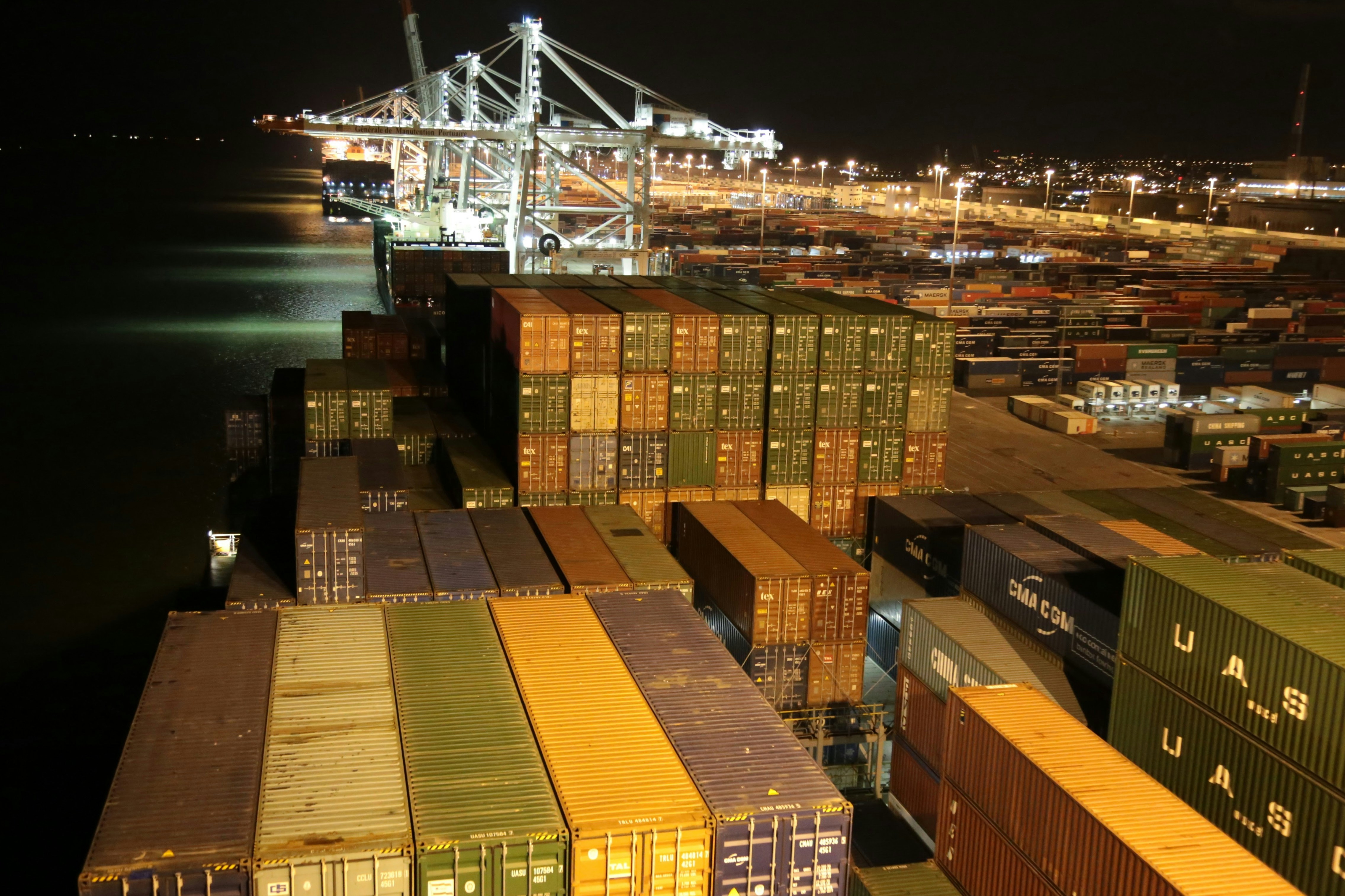
The Union Cabinet on Wednesday approved schemes worth Rs 45,000 crore to support exporters amid the ongoing global headwinds.
This comprises the much-awaited Rs 25,000-crore Export Promotion Mission, wherein the government will give priority to sectors like leather, gem and jewellery and leather.
Additionally, the Cabinet has also approved the expansion of Credit Guarantee Scheme for Exporters, with an overall outlay of Rs 20,000 crore.
'Flagship Initiative For Exports'
The Export Promotion Mission, or EPM, will mark a strategic shift from multiple fragmented schemes to a "single, outcome-based, and adaptive mechanism" that can respond swiftly to global trade challenges and evolving exporter needs, the government said, while calling it the "flagship initiative for exports".
The scheme has been approved for the period stretching from financial years 2026 to 2031.
"EPM consolidates key export support schemes such as the Interest Equalisation Scheme (IES) and Market Access Initiative (MAI), aligning them with contemporary trade needs," stated a release, issued following the Cabinet meeting.
The mission will operate through two integrated sub-schemes — Niryat Protsahan and Niryat Disha. The first sub-scheme will focus on "improving access to affordable trade finance for MSMEs" through a range of instruments such as interest subvention, export factoring, collateral guarantees, credit cards for e-commerce exporters, and credit enhancement support for diversification into new markets.
On the other hand, Niryat Disha will focus on non-financial enablers that "enhance market readiness and competitiveness", including export quality and compliance support, assistance for international branding, packaging, and participation in trade fairs.
Under Niryat Disha, the government will also offer support for "export warehousing and logistics, inland transport reimbursements, and trade intelligence and capacity-building initiatives", the release added.
The Directorate General of Foreign Trade (DGFT) will act as the implementing agency, with all processes — from application to disbursal — being managed through a dedicated digital platform integrated with existing trade systems.
The mission is expected to facilitate access to affordable trade finance for MSMEs, improve market access and visibility for Indian products, boost exports from non-traditional districts and sectors, and generate employment across manufacturing, logistics, and allied services, the government noted.
'100% Credit Guarantee'
The Credit Guarantee Scheme for Exporters, also approved by the Cabinet on Wednesday, is aimed at "providing 100% credit guarantee coverage by National Credit Guarantee Trustee Company Limited (NCGTC) to Member Lending Institutions (MLIs)".
This will extend additional credit facilities up to Rs 20,000 crore to eligible exporters, including MSMEs, the government said. The scheme will be implemented by the Department of Financial Services (DFS) through NCGTC, it added.
The scheme is expected to "support diversification" of Indian exporters into new and emerging markets, stated an official release.
By enabling collateral-free credit access, the scheme will be strengthen liquidity, ensure smooth business operations, and reinforce India's progress towards achieving the $1 trillion export target, it further said.
The twin schemes for exporters comes amid global uncertainty over trade due to the import tariff policies of US President Donald Trump. India is among the worst hit, as its exports to the United States are subjected to tariffs as high as 50%.
Official data released last month showed India's goods exports to the US fell for the second straight month in September, as US tariff measures began to bite key sectors like textiles, gems and jewellery, and marine products.
Exports to the US slipped to $5.43 billion in September, down from $6.87 billion in August, marking a nearly 21% month-on-month drop. Imports from the US, however, rose to $3.98 billion from $3.6 billion.

-
Why Swapping Your Old Gold Can Trigger A Rs 5 Lakh Tax Bill, And How You Can Avoid It Legally

Swapping old gold for new is taxed as a sale and a fresh purchase. Getting your own gold remade can cut most of that bill, though it has its own costs.
-
The AI Trade is Done. The Real Opportunity for Investors Starts in 2027 | Unhedged Position
As pureplay AI stocks plunge and circular, capex-led financing unwinds, 2027 is set to be a year of reckoning for AI companies. Yet the bust clears the way for a better opportunity for investors in 2027 -- shifting the spotlight from AI builders to the companies using AI.
-
Leadership As Mission: Why The Age Of AI Demands More Human Leadership
Debjani Ghosh examines how AI is changing leadership, arguing that its success must be measured by its impact on people and the accountability of those guiding its use.
-
We May Need Another Tukaram Mundhe To Fight Air Pollution | The Reason Why
Developers may install basic measures such as sprinklers and green nets, resume work, and continue violating rules when this equipment stops working.
-
Extracting Value From Battery Scrap Could Be Challenging For India | The Reason Why
A discarded lithium-ion battery still contains valuable materials such as lithium, nickel and cobalt. These can be recovered and reused. When such batteries are crushed and shredded, they produce a dark powder called black mass.
-
One El Nino, India Can Handle. Two Could Break The Granary
India's grain stocks can absorb one bad year, but a second El Nino could drain the buffer in two to three years, economists say.
-
India's Troika Of Good Luck | Joining The Dots
As Jensen Huang's exit drags Nvidia down, a cooling AI trade and resilient earnings have revived investor interest in India. A likely RBI rate hike looms.
-
Talking Points This Week: Leadership Shock At Nvidia, Earnings Strength, And The Fog Over Hormuz
The Anthropic IPO pricing and first trading day, Nvidia's upcoming earnings, and any fresh signals from Iran will set the tone for the following week.
-
Signature Play: The Classic Cocktail Is Dead. Or Is It?
Classic cocktails are disappearing from India's cocktail menus. But they're still being ordered, taught to bartenders and borrowed from. So, who's really having the last drink?
-
A New Samvat Wishlist: Inclusive Prosperity And Human Development
India has strengthened its economic foundations through infrastructure, digital access and enterprise. Its next growth chapter must deepen productivity, create better livelihoods and widen participation in prosperity.









