Budget 2019 BQView: The Economy Under Modi - Big Ideas, Small Successes
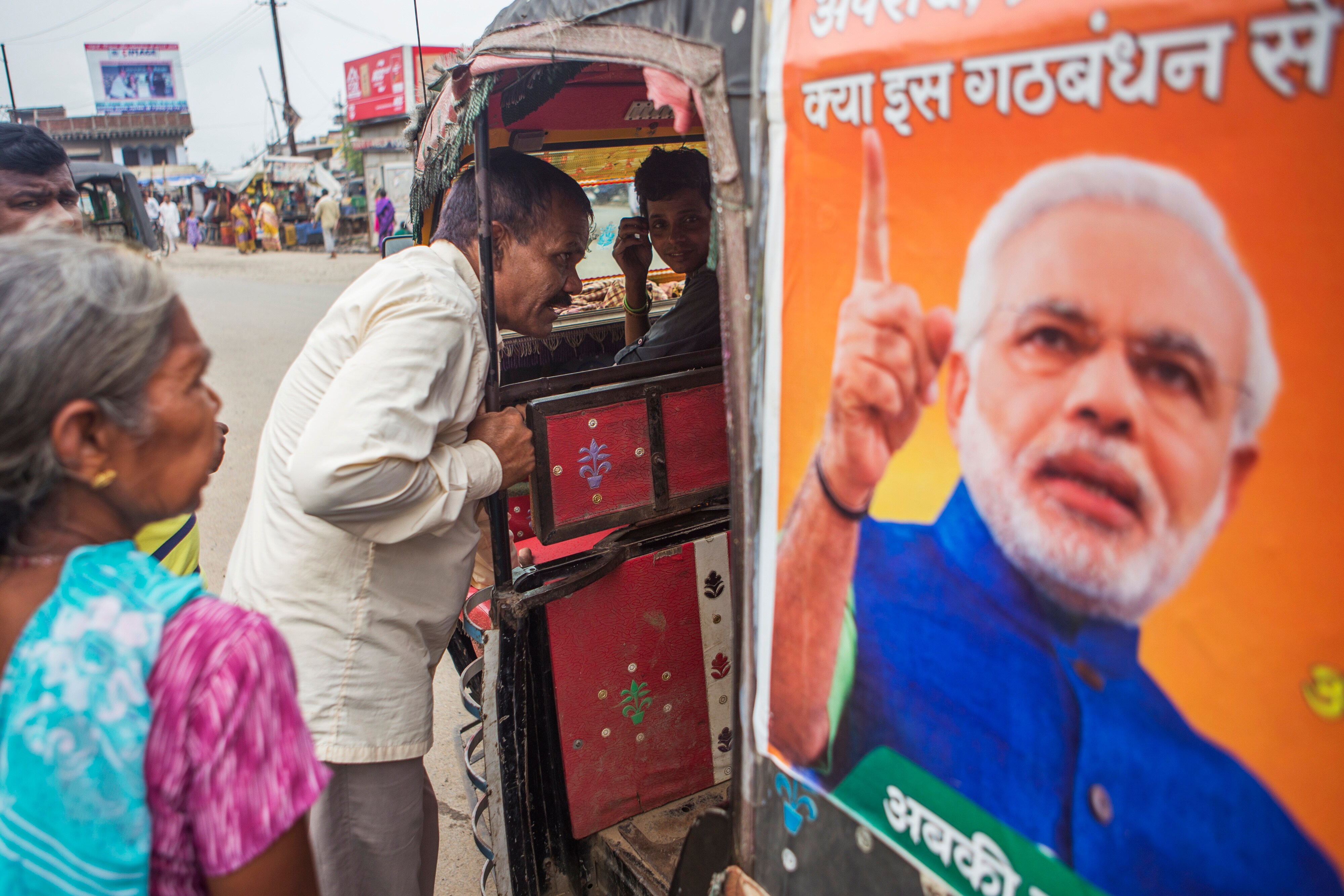
Prime Minister Narendra Modi's image has loomed large over the Indian economy in the last five years. Every big project has carried his stamp. From GST, demonetisation and the Mudra Scheme to Swachh Bharat and Ayushman Bharat, Modi has pitched big ideas of change for the economy.
Some of these ideas have drawn praise; others derision. But few have resulted in any large dividends for the Indian economy yet. Yes, structural reforms take years to transform the economy but, in the interim, the only objective way to judge them is by the data available. Over the next two weeks, BloombergQuint will assess economic data over the last five years and outcomes of individual schemes.
Defining Moments Gone Wrong
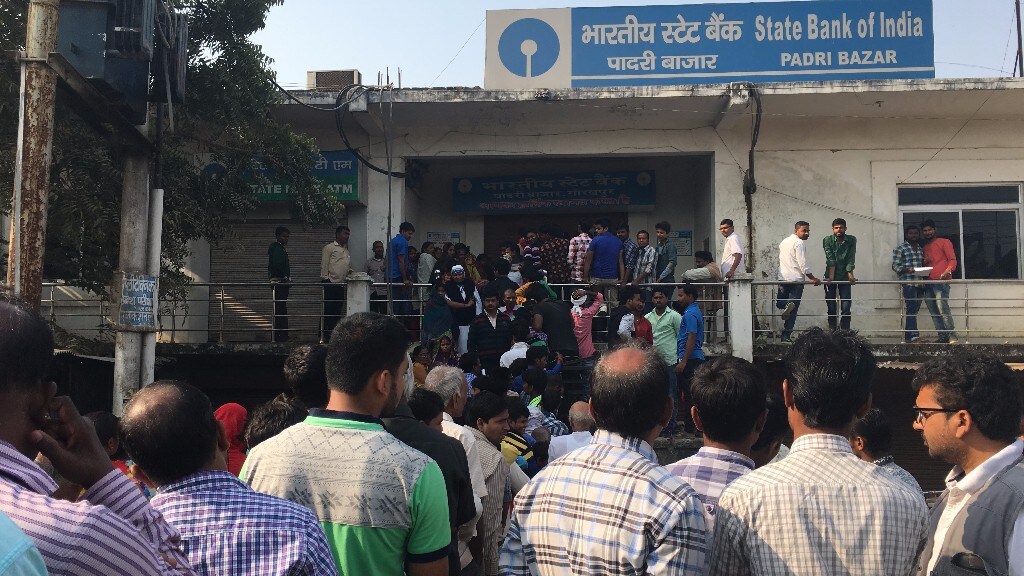
There have been two economically defining moments for the Modi-led administration. One of them fell on Nov.8, 2016. Few governments can (or should want to) claim that they scrapped 86 percent of a country's currency in circulation in one fell swoop.
The imagined gains were many — black money will be destroyed, counterfeit currency will reduce, the digital economy will get a boost. The dividends have been far fewer.
As is now documented in data, 99 percent of the scrapped currency was returned. There was no destruction of the stock of black money. The ratio of currency in circulation to GDP as of the end of December was at 10.7 percent of first advance estimates of nominal GDP for 2018-19. Prior to demonetisation, this number was at near 12 percent. Digital transactions have risen and savings in financial instruments have expanded. But these gains don't justify a move that has been termed as “draconian” by former chief economic adviser Arvind Subramanian.
The implementation of the Goods and Services Tax was the other defining moment for this government. Here too, actual gains have underperformed expectations. The indirect tax base has widened to 1.25 crore but tax collections have remained below estimates. This may lead to the government missing its fiscal deficit target for a second consecutive year. Most importantly, implementation has been messy. Rates have been tinkered with constantly and the threshold for GST has been raised to Rs 40 lakh, in a tacit admission that the new indirect tax system had taken a heavy toll on the country's small businesses.
Promises, Promises...
Look beyond those defining policies and you'll find a lot of smartly branded schemes. They broadly fall into two buckets — those that attempt to fill a genuine gap in the economy and those that are more about marketing and political gains.
The attempt to increase the penetration of insurance products falls in the first category. A recent committee on household finance had pointed out that the lack of insurance for crops, livestock and health are among key reasons for rural indebtedness, particularly for the build up of debt from informal sources. Putting in place a crop insurance scheme - Pradhan Mantri Fasal Beema Yojana - in 2016 was a good first step in addressing the vulnerabilities faced by farmers. But reports of implementation issues ranging from delayed settlement of claims to falling enrollment have left a question mark on the effectiveness of the scheme. The view on the recent Ayushman Bharat Scheme is similar. The idea of expanding health coverage is laudable but the funding and design of that scheme needs more attention.
Another area where the Modi-led administration has done well is in pushing access to formal finance. The Jan Dhan Yojana, while admittedly force fed to the country's public sector banks, has meant that 80 percent of Indians now have bank accounts. Finance Minister Arun Jaitley, in response to a question in Lok Sabha last month, disclosed that about 23 percent of these accounts are inoperative. That's not a large proportion and with direct benefit transfers being pushed actively, account usage will improve.
The rural electrification scheme - Deen Dayal Upadhyaya Gram Jyoti Yojana - also deserves mention. In April, all villages were declared electrified. The next step is to ensure electricity reaches all homes. But the reform of the electricity sector, particularly distribution companies, one of this government's earliest schemes, has lagged behind. The Ujwal Discom Assurance Yojana was to have brought losses, due to poor transmission and theft, down to 15 percent. They currently average 20 percent.
The endeavor to push credit to small businesses via the Pradhan Mantri Mudra Yojana seems will also result in limited gains. A lot of existing credit has been reclassified by banks under the scheme and priority sector targets given to banks are already intended to achieve inclusion objectives. There are also concerns that lending standard could be diluted to meet targets set under the scheme. So far, delinquencies stand at 5.38 percent.
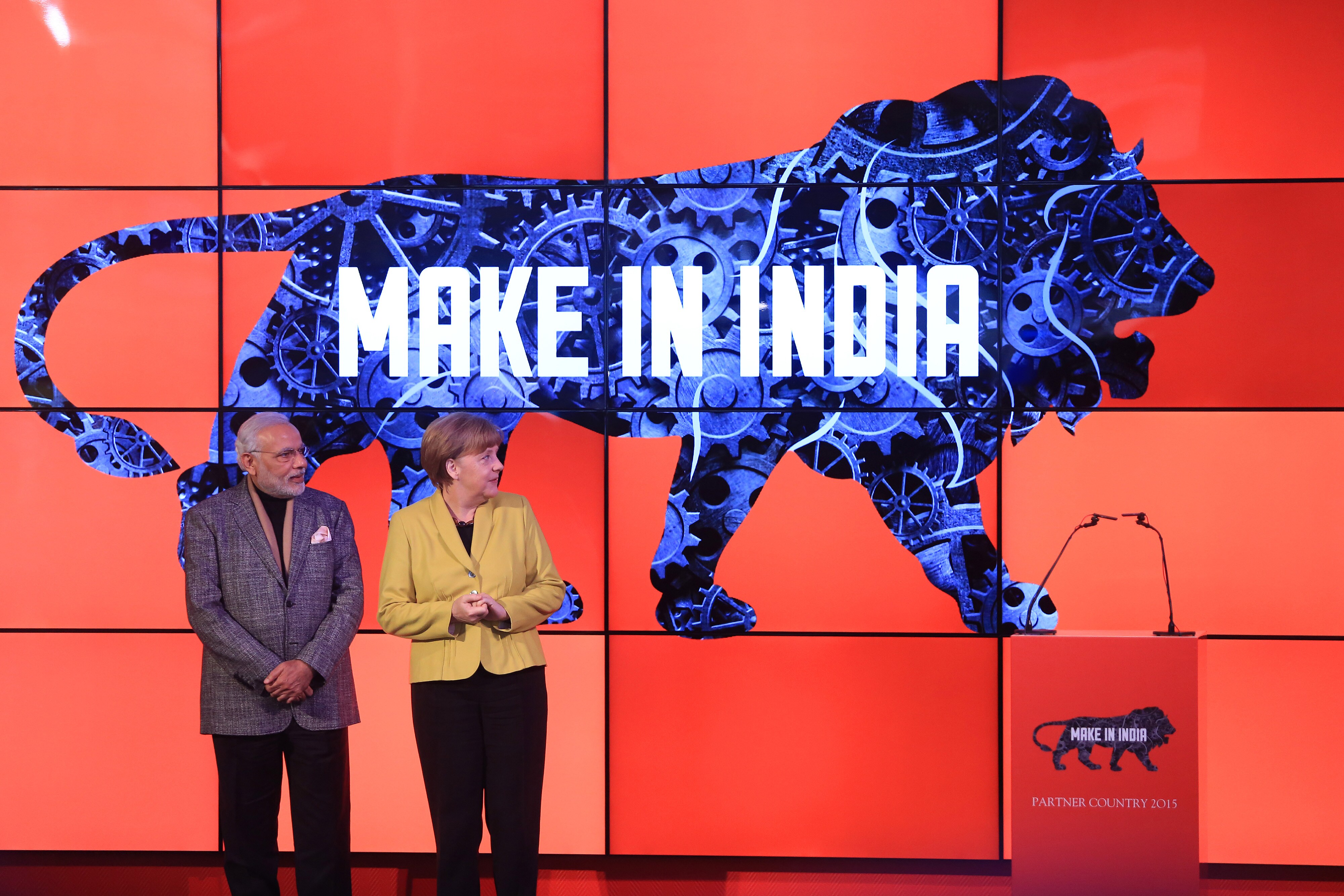
‘Make In India', ‘Start-Up India', ‘Skill-India' are all schemes that delivered fancy logos and marketing campaigns but no substantial outcomes.
Institutions And Institutional Mechanisms
A final analysis would be incomplete without mentioning the Modi administration's track record with institutional mechanisms and institutions.
The government must be given credit for setting up of the Monetary Policy Council in the early part of its term. Most investors, domestic and foreign, will cite that as a significant step in bringing greater predictability to monetary policy in the economy. Equally, putting in place an insolvency regime - Insolvency and Bankruptcy Code, 2016 - and the establishment of the Insolvency Board and National Company Law Tribunals will, hopefully, serve the economy well for years to come. The GST Council too has been institutionalised.
But any gains in setting up new institutional mechanisms have been more than balanced out by the damage done to existing institutions in the latter half of this government's tenure.
The past year has been littered with examples of attempts to run roughshod over the country's institutions. From the Supreme Court to the Central Bureau of Investigation and the Reserve Bank of India — the government has not shied away from damaging the painstakingly built standing of these institutions for its own ends.
In Final Analysis....
The Modi government came in with big promises of ‘Achhe Din' but few will be able to say with any great conviction that it has delivered to what was considered to be its potential.

-
Gold Is Rs 22,000 Cheaper Than A Month Ago. Should You Buy Amid The Wedding Season?

Gold's potential slide to $3,500 could save around Rs 4,700 per 10 grams, but a soft inflation print could just as easily push prices back up. One way to split the risk is to buy in parts, some now and the rest after the Fed's Dec. 9 decision.
-
AI Agents Are Gaining Power. Who Governs Them?
Artificial intelligence agents promise to transform productivity by moving machines from assisting decisions to executing them. But as organisations delegate greater authority to these AI-agents, they must first establish who controls that authority and who remains accountable when things go wrong.
-
Why Swapping Your Old Gold Can Trigger A Rs 5 Lakh Tax Bill, And How You Can Avoid It Legally
Swapping old gold for new is taxed as a sale and a fresh purchase. Getting your own gold remade can cut most of that bill, though it has its own costs.
-
The AI Trade is Done. The Real Opportunity for Investors Starts in 2027 | Unhedged Position
As pureplay AI stocks plunge and circular, capex-led financing unwinds, 2027 is set to be a year of reckoning for AI companies. Yet the bust clears the way for a better opportunity for investors in 2027 -- shifting the spotlight from AI builders to the companies using AI.
-
Leadership As Mission: Why The Age Of AI Demands More Human Leadership
Debjani Ghosh examines how AI is changing leadership, arguing that its success must be measured by its impact on people and the accountability of those guiding its use.
-
We May Need Another Tukaram Mundhe To Fight Air Pollution | The Reason Why
Developers may install basic measures such as sprinklers and green nets, resume work, and continue violating rules when this equipment stops working.
-
Extracting Value From Battery Scrap Could Be Challenging For India | The Reason Why
A discarded lithium-ion battery still contains valuable materials such as lithium, nickel and cobalt. These can be recovered and reused. When such batteries are crushed and shredded, they produce a dark powder called black mass.
-
One El Nino, India Can Handle. Two Could Break The Granary
India's grain stocks can absorb one bad year, but a second El Nino could drain the buffer in two to three years, economists say.
-
India's Troika Of Good Luck | Joining The Dots
As Jensen Huang's exit drags Nvidia down, a cooling AI trade and resilient earnings have revived investor interest in India. A likely RBI rate hike looms.
-
Talking Points This Week: Leadership Shock At Nvidia, Earnings Strength, And The Fog Over Hormuz
The Anthropic IPO pricing and first trading day, Nvidia's upcoming earnings, and any fresh signals from Iran will set the tone for the following week.









