Battery Energy Vs Pumped Hydro: Analysing India's Power Storage System Contenders
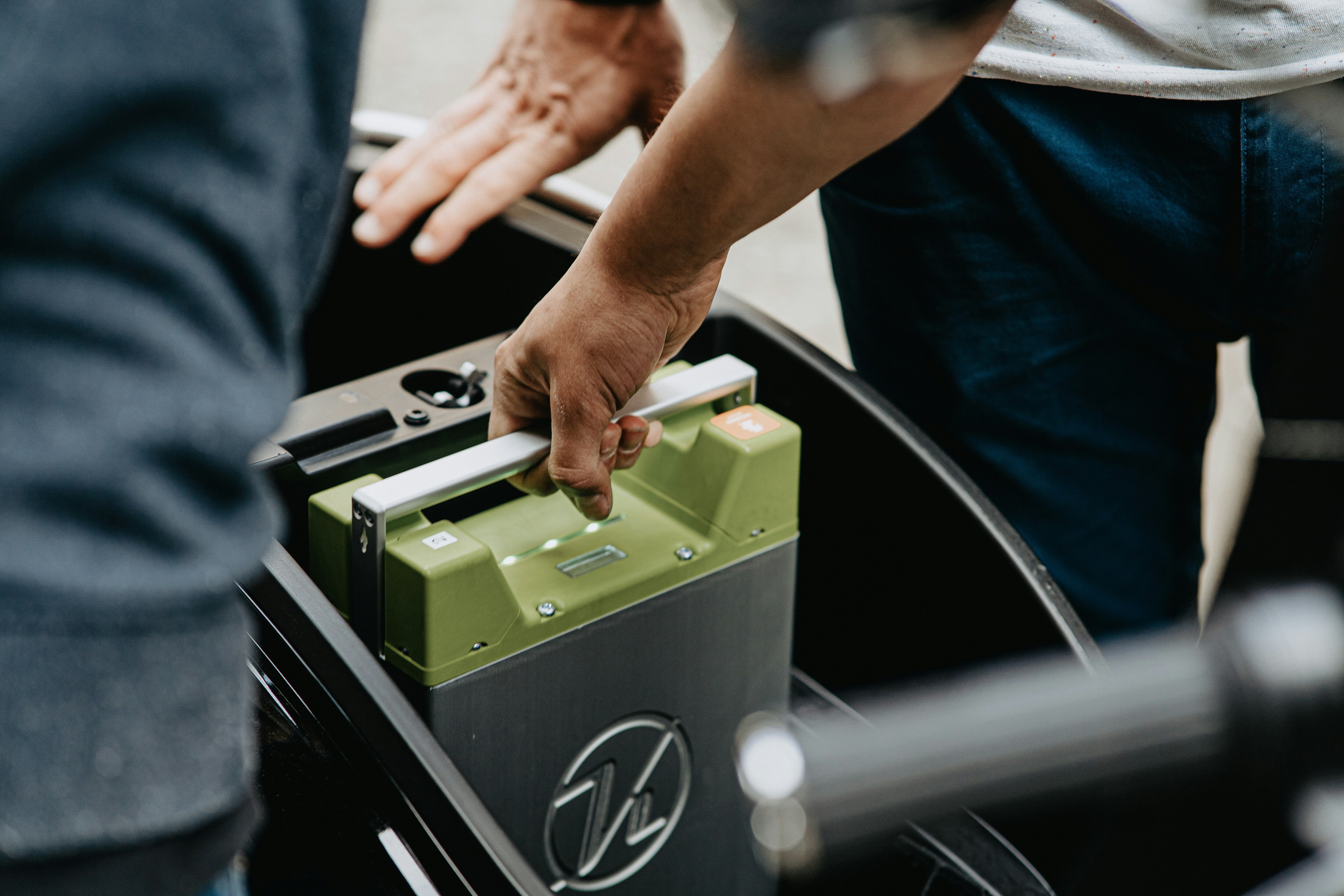
India is rapidly expanding its renewable energy capacity, with a current target of 500 gigawatts by 2030. On the backdrop of this ambitious goal, battery energy storage systems and pumped storage hydro systems are crucial in order to solve the intermittency problem of sources like wind and solar, which cannot generate power 24/7.
Both these energy storage solutions can store excess energy generated during peak production times and release it when needed, ensuring a more reliable and constant power supply.
Both storage systems have their pros and cons, so let's break it down.
The Energy Storage Contenders
Battery Energy Storage System and Pumped Storage Hydro are the top contenders for grid energy storage, especially for renewables like solar and wind, but they operate on different principles.
BESS uses large batteries for storing electrical energy, allowing rapid charging and discharging, while PSP utilises natural reservoirs at varying elevations. During periods of low demand, surplus electricity pumps water uphill to store energy. When electricity is needed, water flows downhill through turbines to generate power.
Battery energy storage systems have a storage of 2-4 hours per day, while PSP Hydro has a storage of 6-8 hours per day.
Better Tariffs
The central government and state electricity distribution companies are seeking bids for standalone storage systems, specifying technologies like BESS and PSP or leaving the choice to the bidder, according to ICRA Research.
Initially, bids from August 2022 to March 2023 averaged higher tariffs, around Rs 1.30-1.67 crore per megawatt per year. However, recent bids in Gujarat have seen significantly lower offers, as low as Rs 0.45 crore per megawatt per year, which ICRA Research noted as positive for the distribution companies. The feasibility of these bids, though, hinges on battery prices.
BESS Vs PSP Hydro: The Differences
Cost And Capex
Battery energy storage systems typically have higher upfront cost than pumped storage hydropower, but lower operational costs per kilowatt hour. As per ICRA, the capital cost for BESS stands at Rs 1.5-1.75 crore per megawatt hour versus Rs 1.0 crore per megawatt hour for PSP Hydro.
The levelised cost of storage for BESS stands at Rs 5.5-6 per unit based on prevailing costs, as compared to Rs 4.5-5 per unit for PSP Hydro. However, these costs could be further lower for BESS based on quoted tariff bids recently.
When we talk about replacement capex, BESS requires replacement capex, while PSP Hydro requires maintenance capex.
Project Life And Execution Timeline
As per ICRA, the project life of a battery energy storage system is linked with the number of charging or discharging cycles, while that of PSP Hydro is not.
BESS have a lower execution timeline 12-18 months, while PSP Hydro projects take more than four years, with a moderate-to-high risk of delays in construction.
Risks
As per ICRA, BESS and PSP Hydro have 'low' and 'moderate' operational risks, respectively.
In terms of execution risks, the risk for BESS stands 'low to moderate', while for PSP Hydro projects, the risk are 'high' on the back of the complexities involved in constructing upper and lower reservoirs required for the PSP system.
Advantages Of BESS
The cost of batteries account for a major portion in BESS. Thus, the decline in battery costs over the last decade has enabled a reduction in the cost of energy storage, as per ICRA Research.
Battery prices eased to an all-time low of $139 per kilowatt hour in 2023, led by the fall in raw material prices amid higher production, the ratings agency said.
ICRA Research also said that this cost is expected to further improve the cost economics for energy storage over the coming decade, likely driven by the scale-up of battery production capacity globally.
Advantages Of PSP Hydro
India has recognised Pumped Storage Hydro as a crucial element in achieving its ambitious renewable energy targets. As per the Central Electricity Authority, India has an estimated on-river pumped storage hydro potential of around 103 gigawatts.
The Ministry of Power introduced draft guidelines in April 2023, offering incentives like exemptions from stamp duty, concessional land rates, and relief in taxes to make PSP projects more financially attractive. The Central Electricity Authority has also implemented fast-tracked approval mechanisms to expedite the permitting process for PSP projects.
As of July 2024, Indian has an installed PSP capacity of approximately 4.75 GW, with around 44.5 GW of projects under various stages of development. The target set by the CEA in terms of capacity is 74 GW by 2032.

-
Ten Things I Learnt This Samvat

Patience can be a trap. Cheap stocks can stay cheap. Leverage can wipe you out. What did Samvat 2082 teach us? Niraj Shah writes on 10 lessons from the year gone by.
-
Talking Points This Week: Tech Nerves, FII Buying, And A Faraway Banking Shock
The global markets are not shining this Diwali. The exception in the large markets is, India.
-
Midterm Rally Lasted A Day. The Hard Reality Of A Divided US May Last Two Years | Opinion
Between a contested AI boom, a debt ceiling that arrives in 2027 and a president with every incentive to act alone, the next two years may prove more volatile than the first day's rally suggests.
-
Blue Wave Will Derail the AI Trade but Won't Dismantle the AI Era | Unhedged Position
The Democrats' sweep of the US Congress will see politics collide with economic forces both over the long and short term.
-
It's Time To Take The GST Council's Bet On Trust Global
Payment records can prove India's services exports, and clear, proportionate rules can bring foreign digital sellers into the tax net.
-
Opinion | India at 38: From Innovation Overperformer to Innovation Powerhouse
India now has 453 VC-backed deep science startups, 18 of them late-stage, after 117 percent growth since 2020. Laurus Labs, at USD 9.3 billion, is the most valuable deep science company in any middle-income economy outside China.
-
Navigating Energy Crossroads: S Jaishankar's Call For Diversified Supply Chains At G20 Ministerial Meeting
As geopolitical fault lines continue to test maritime trade routes and commodity flows, Jaishankar's message remains pertinent: true economic resilience requires open markets, protected transit lines, and a genuine commitment to multilateral cooperation rather than coercion.
-
Indians Are Travelling, But Not Every Journey Is A Holiday | The Week In Whys
Pilgrims, patients and working women are the real travellers, and the system hasn't quite caught up with them.
-
Getting To Work Costs Women More | The Reason Why
It is not just about women paying more than men. It is about women paying much more in cities than in villages.