An Early and Likely Normal Monsoon Boosts India’s Crop Outlook
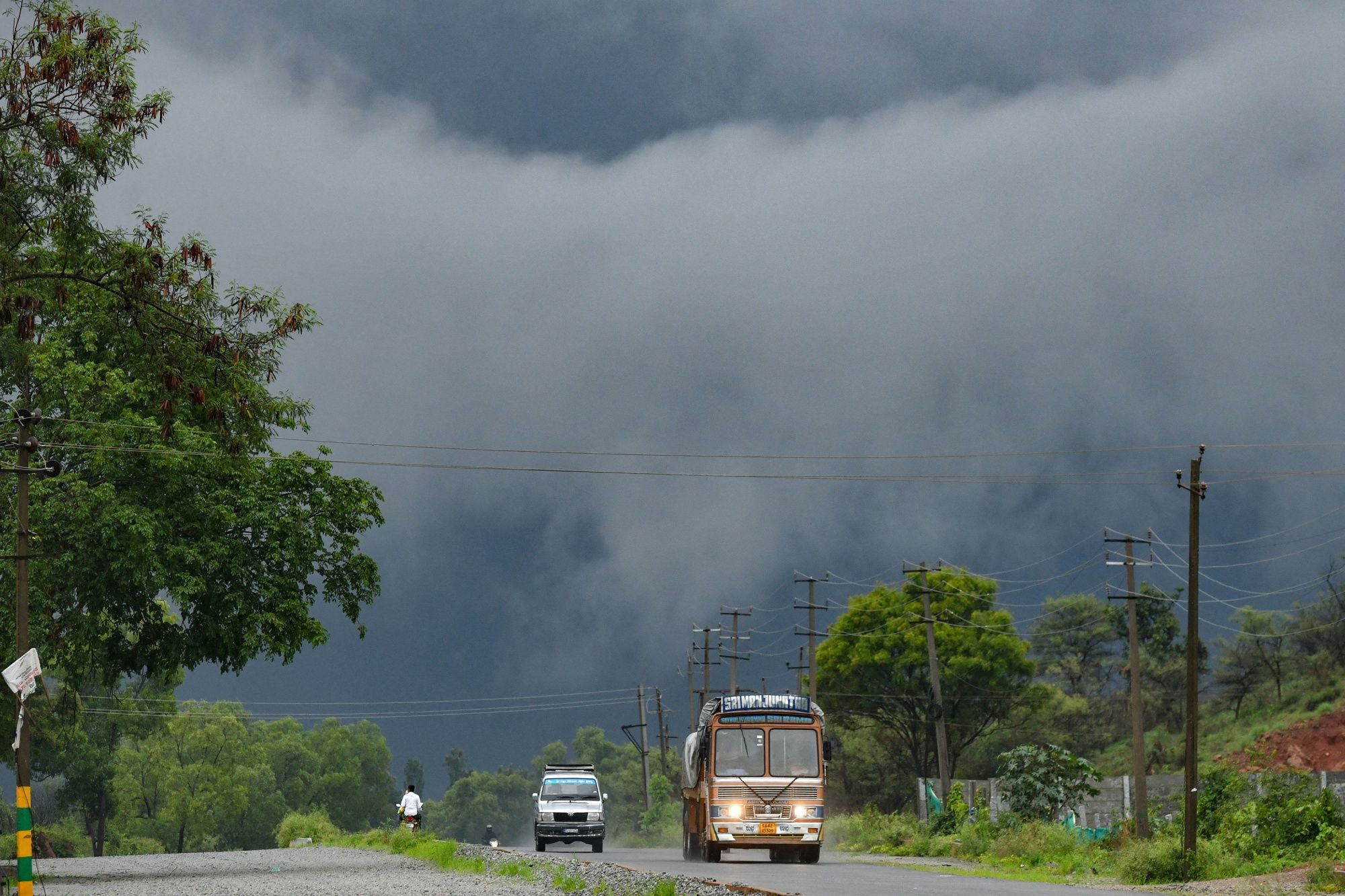
(Bloomberg) -- The forecast of a normal monsoon, which arrived earlier than usual this year, is poised to encourage farmers to expand plantings of major crops, a welcome development as the government grapples with rising food prices.
The India Meteorological Department kept to its earlier prediction of a normal monsoon, which waters more than half of the country's farmland. Cumulative rains are likely to be 103% of the long-term average during the four-month season this year, Mrutyunjay Mohapatra, director general of the weather bureau, said in an online briefing on Tuesday. That compares with its April prediction of 99%. The forecast has a margin of error of 4%.
Showers during the rainy season not only water fields directly, but fill reservoirs that irrigate winter-sown crops. A good monsoon boosts crop output, while poor rains lead to drinking water shortages, lower harvests and higher imports of some commodities. India is the second-biggest grower of wheat, rice, sugar and cotton, and the top buyer of palm, soybean and sunflower oils.
The monsoon arrived in the southern state of Kerala, its first entry point, three days ahead of its normal onset, according to the weather office. The country is expected to receive ample rains as La Nina, a cooling of the tropical Pacific, is likely to continue, Mohapatra said. La Nina typically brings more rain to parts of Asia, including India. Rains are expected to be more than normal in central and northwestern parts of the country in June, the bureau said.
India's northwestern region is also expected to witness above-normal temperatures in June, the department said. Several parts of the nation faced severe heat waves in the past weeks, with the northern region being the warmest in 122 years in both March and April. The extreme weather slashed crop output and boosted food prices, prompting the government to restrict wheat exports and limit sugar shipments as precautionary measures.
A monsoon is considered normal when rains are 96% to 104% of the long-term average. After reaching Kerala, it moves toward northern parts to cover most of the nation. Any delay or deficit in the early part of the season could delay sowing and hurt crops such as rice and soy, even if rains gather pace later.
Last year's monsoon rains were 99% of the long-term average, according to the weather department. They were 9% higher than normal in 2020 and 10% more than the average in 2019. Rains helped boost food grain output in 2021-22.
More stories like this are available on bloomberg.com
©2022 Bloomberg L.P.

-
Talking Points This Week: Leadership Shock At Nvidia, Earnings Strength, And The Fog Over Hormuz

The Anthropic IPO pricing and first trading day, Nvidia's upcoming earnings, and any fresh signals from Iran will set the tone for the following week.
-
Signature Play: The Classic Cocktail Is Dead. Or Is It?
Classic cocktails are disappearing from India's cocktail menus. But they're still being ordered, taught to bartenders and borrowed from. So, who's really having the last drink?
-
A New Samvat Wishlist: Inclusive Prosperity And Human Development
India has strengthened its economic foundations through infrastructure, digital access and enterprise. Its next growth chapter must deepen productivity, create better livelihoods and widen participation in prosperity.
-
Love, Sex Aur Dhokha: The Audacious Plot To Spy On Jensen Huang
A Taipei dinner, a Singapore chip buyer and a suspected Chinese asset: inside the alleged spy operation that got close to NVIDIA's Jensen Huang.
-
Ten Things I Learnt This Samvat
Patience can be a trap. Cheap stocks can stay cheap. Leverage can wipe you out. What did Samvat 2082 teach us? Niraj Shah writes on 10 lessons from the year gone by.
-
Talking Points This Week: Tech Nerves, FII Buying, And A Faraway Banking Shock
The global markets are not shining this Diwali. The exception in the large markets is, India.
-
Midterm Rally Lasted A Day. The Hard Reality Of A Divided US May Last Two Years | Opinion
Between a contested AI boom, a debt ceiling that arrives in 2027 and a president with every incentive to act alone, the next two years may prove more volatile than the first day's rally suggests.
-
Blue Wave Will Derail the AI Trade but Won't Dismantle the AI Era | Unhedged Position
The Democrats' sweep of the US Congress will see politics collide with economic forces both over the long and short term.
-
It's Time To Take The GST Council's Bet On Trust Global
Payment records can prove India's services exports, and clear, proportionate rules can bring foreign digital sellers into the tax net.
-
Opinion | India at 38: From Innovation Overperformer to Innovation Powerhouse
India now has 453 VC-backed deep science startups, 18 of them late-stage, after 117 percent growth since 2020. Laurus Labs, at USD 9.3 billion, is the most valuable deep science company in any middle-income economy outside China.









