RBI Monetary Policy: MPC Keeps Repo Rate Unchanged With 4:2 Majority, Status Quo On Stance
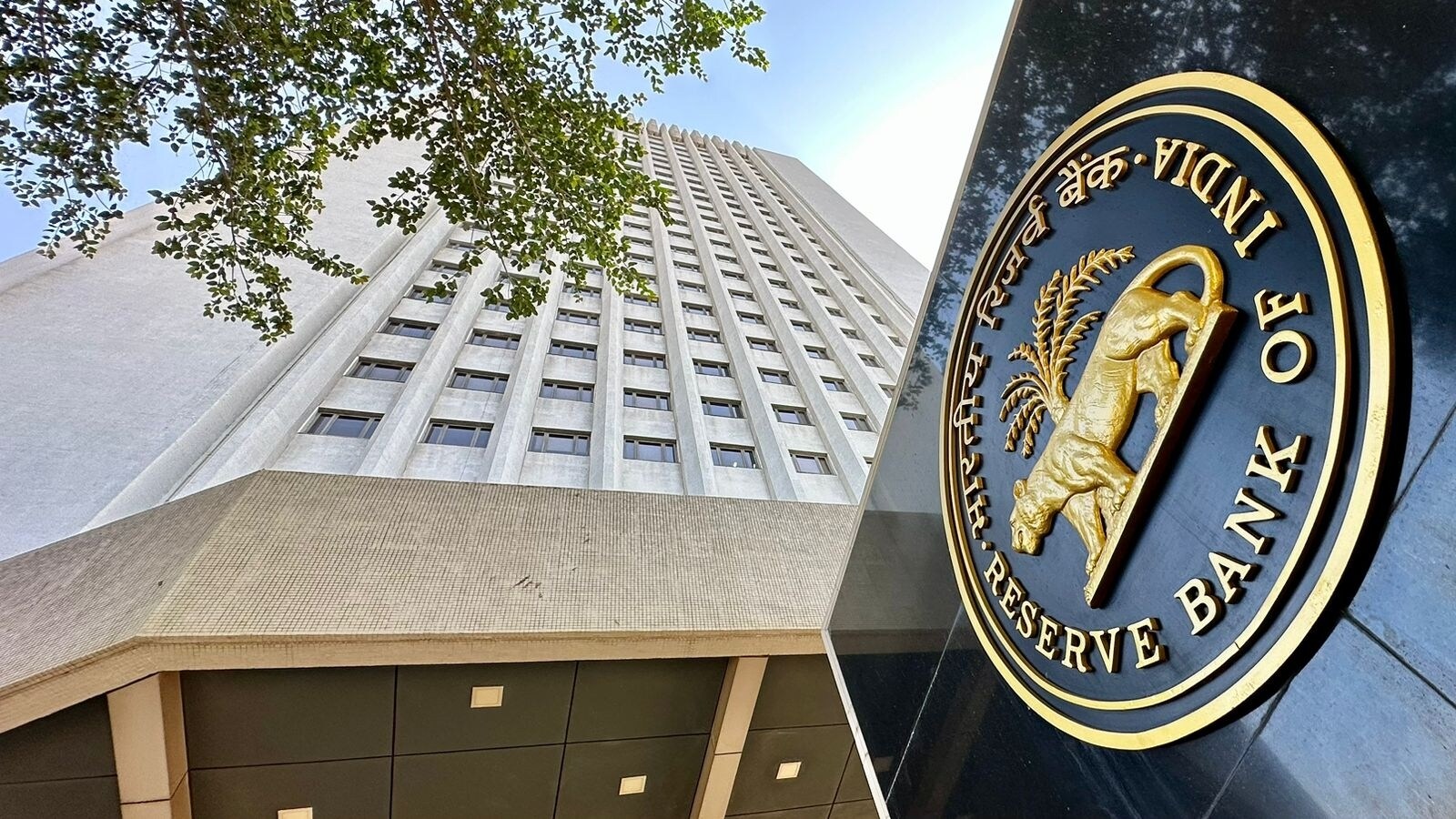
India's Monetary Policy Committee, led by RBI Governor Shaktikanta Das, kept the benchmark repo rate unchanged for the eighth straight meet.
After the review, the MPC decided the following on lending rates:
To keep the repo rate unchanged at 6.5% with a 4:2 majority, as compared with 5:1 previously. Ashima Goyal and Jayanth R Varma voted to reduce the policy repo rate by 25 basis points.
The standing deposit facility rate, pegged 25 basis points below the repo rate, is at 6.25%.
The marginal standing facility rate, which is 25 basis points above the repo rate, is at 6.75%.
The committee had raised the benchmark repo rate by 250 basis points in the last cycle before opting for a pause in April last year.
The MPC also decided to remain focused on withdrawal of accommodation to ensure that inflation progressively aligns to the target, while supporting growth.Shaktikanta Das, Governor, RBI
RBI's status quo on rates and stance was in line with market expectations, but the split in voting patterns clearly shows the increasing probability towards a pivot in the policies ahead. However, we believe the robust growth will give enough opportunity for the MPC to remain on a wait-and-watch mode until better clarity comes from monsoons and quality of expenditure from the Budget. We see room for stance change in the August policy, with a plausible easing from October meeting."Upasna Bhardwaj, Chief Economist, Kotak Mahindra Bank
Inflation Outlook
Headline inflation continues to moderate but remains above the target, driven by food price pressures, though easing core inflation remains a silver lining.
Looking ahead, overlapping shocks engendered by rising incidence of adverse climate events impart considerable uncertainty to the food inflation trajectory.
Market arrivals of key Rabi crops, particularly pulses and vegetables, need to be closely monitored in view of the recent sharp upturn in prices.
Normal monsoon, however, could lead to softening of food inflation pressure over the course of the year. Pressure from input costs have started to edge up, and early results from enterprises surveyed by the Reserve Bank expect selling prices to remain firm.
Volatility in crude oil prices and financial markets along with firming up of non-energy commodity prices pose upside risks to inflation.
Taking into account these factors, assuming a normal monsoon, CPI inflation is projected at 4.5% for FY25, with Q1 at 4.9%, Q2 at 3.8%, Q3 at 4.6, and Q4 at 4.5% with risks evenly balanced.Shaktikanta Das, Governor, RBI
Growth Outlook
Going forward, high frequency indicators of domestic activity are showing resilience in FY25. The south-west monsoon is expected to be above normal, which augurs well for agriculture and rural demand.
Coupled with sustained momentum in manufacturing and services activity, this should enable a revival in private consumption.
Investment activity is likely to remain on track, with high capacity utilisation, healthy balance sheets of banks and corporates, government's continued thrust on infrastructure spending, and optimism in business sentiment. Improving world trade prospects could support external demand.
Headwinds from geopolitical tensions, volatility in international commodity prices, and geo-economic fragmentation, however, pose risks to the outlook.
Taking all these factors into consideration, real GDP growth for FY25 is projected at 7.2% from 7% estimated previously, with Q1 at 7.3, Q2 at 7.2%, and 7.3% in Q3 and Q4 at 7.2% with risks evenly balanced.Shaktikanta Das, Governor, RBI
The RBI will continue to remain nimble and flexible on liquidity management and modulate frictional and durable liquidity so that money market rates evolve to preserve stability and orderliness, Governor Shaktikanta Das said.
There is a view that the RBI is guided by the Fed, said Das. While we do keep a watch on whether clouds are building up, we take decisions on the basis of the local weather and pitch conditions, he said.

-
Indians Are Travelling, But Not Every Journey Is A Holiday | The Week In Whys

Pilgrims, patients and working women are the real travellers, and the system hasn't quite caught up with them.
-
Getting To Work Costs Women More | The Reason Why
It is not just about women paying more than men. It is about women paying much more in cities than in villages.
-
AI Bias In Investing Cannot Be Eliminated, But It Can Be Governed
Framing is a particularly important example as identical financial information presented in terms of gains rather than losses can lead an LLM to reach a different assessment.
-
Joining The Dots | Dark Skies, Steady Diya: Why Hope Holds This Diwali
With war, a weak rupee and foreign outflows weighing on sentiment, policymakers at the NDTV World Summit and market veterans at NDTV Profit Ignite: Diwali Edition offered the same advice: stay invested and filter out the noise.
-
The Curious Case of Equitas Small Finance Bank And A CEO Who Quit For Stock
PN Vasudevan believes persistent investor concerns over a perceived conflict of interest had become a governance overhang on Equitas Small Finance Bank's stock, even as the lender improved profitability and asset quality.
-
Talking Points This Week: AI Cash Burn, A Tiger Comeback And An India That Still Finds Its Own Path
India is not immune to higher oil or tighter global liquidity, yet its earnings base is broader, its domestic policy levers are still available.
-
Foreign Investors Own Half Of HDFC Bank and ICICI Bank. An LTCG Cut Could Matter Most Here
Foreign portfolio investors have US$115 billion parked in HDFC Bank, ICICI Bank. If the government cuts long-term capital gains tax, Jefferies says returning foreign money could land here first.
-
'Never Seen This Level Of Negativity': Sandeep Tandon Says The Next Rally May Be Closer Than You Think
Veteran investor Sandeep Tandon says foreign selling is easing, large-caps are due a comeback and mid-caps are crowded, while he turns positive on gold, power and pharma this Diwali.
-
Indians Stay With Family, Not In Hotels | The Reason Why
India still lacks enough clean, reliable and affordable hotels for budget-conscious travellers.
-
The Economic Imperative: Analysing The Material Driving Force Behind India-Canada Strategic Reset
This economic complementarity is further reinforced by deep institutional investment ties and talent mobility, which form the bedrock of the bilateral framework.










