India Inflation Seen Staying Above RBI’s Target in February
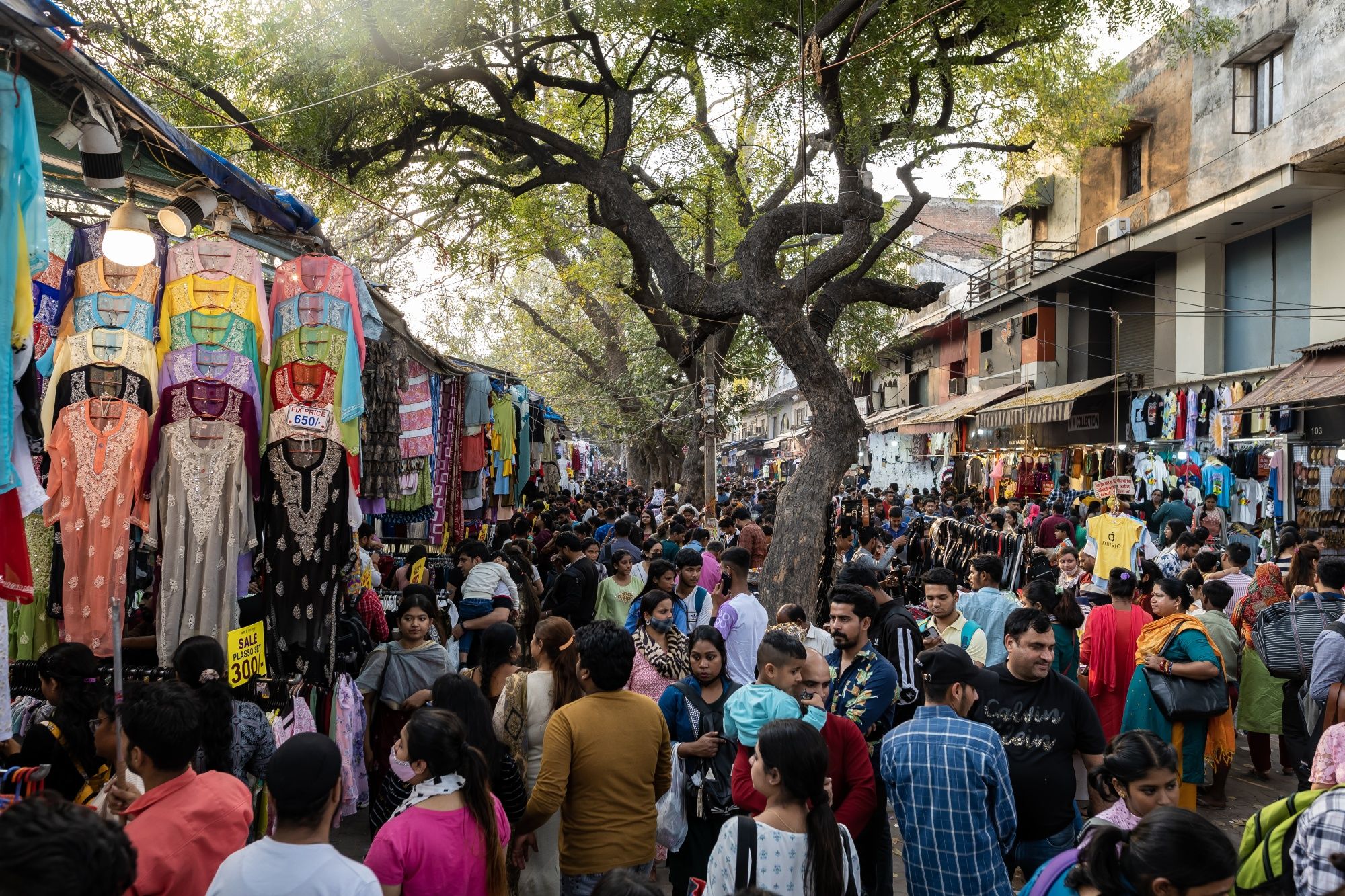
(Bloomberg) -- India's retail inflation probably breached the central bank's target for a second straight month in February, which may prompt the monetary authority to weigh an increase in borrowing costs to the highest level in seven years.
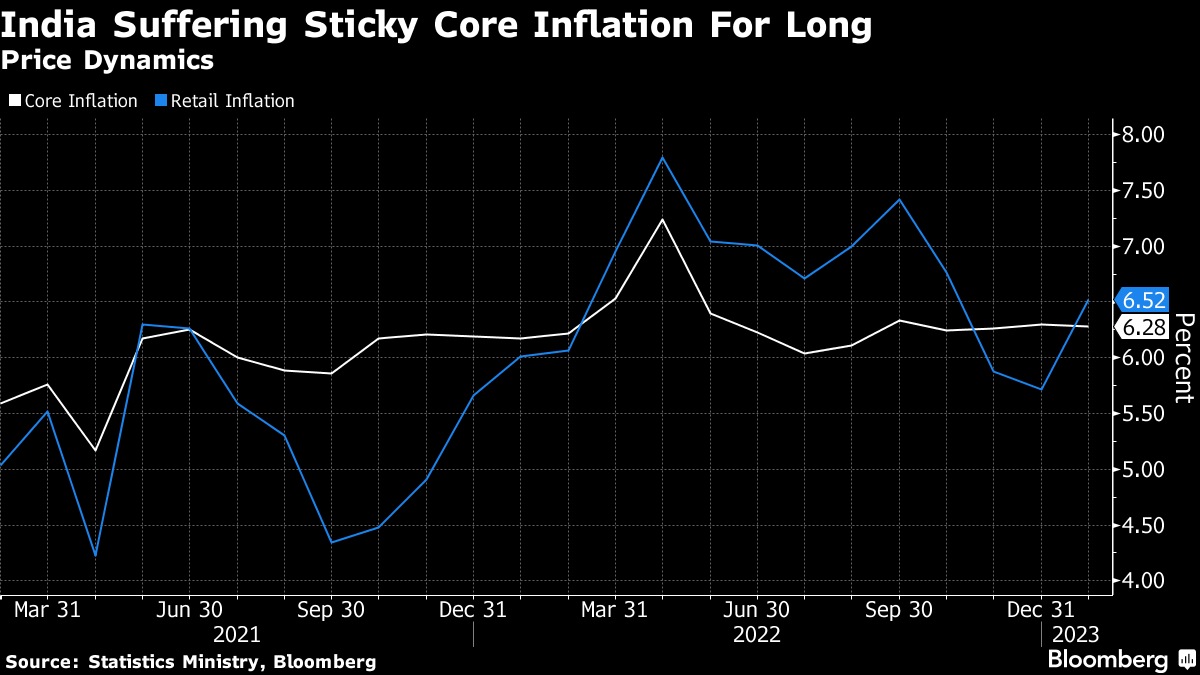
Consumer prices rose 6.40% last month from a year earlier, according to the median estimate in a Bloomberg survey of economists ahead of data due Monday at 5:30 p.m. local time. That would be slower than 6.52% in January but still above the comfort level of the Reserve Bank of India, which aims to bring inflation closer to the mid-point of its 2%-6% target.
Price pressures resurfacing after easing below 6% in the last two months of 2022 will probably convince RBI to increase the benchmark rate for a seventh straight time when it meets on April 6, Rahul Bajoria, an economist with Barclays Plc wrote in a note March 3. He reaffirmed his view on Monday even after a sudden eruption of financial strains in the US that prompted Goldman Sachs Group Inc. to drop its call for a March Federal Reserve hike.
“RBI will pay close attention to the Fed this week, but will broadly look at domestic inflation and growth to drive its policy,” Bajoria said. “Unless RBI believe global spillovers are large and negative, I don't think next meeting's outlook for a hike changes for now.”
The closures of Silicon Valley Bank and Signature Bank are prompting traders to pare bets of a US rate increase this month just days after Federal Reserve Chair Jerome Powell flagged the possibility of returning to bigger rate hikes as inflation proved persistent.
The risk of heat waves in India is another concern that could impact food production and prices, Bajoria said.
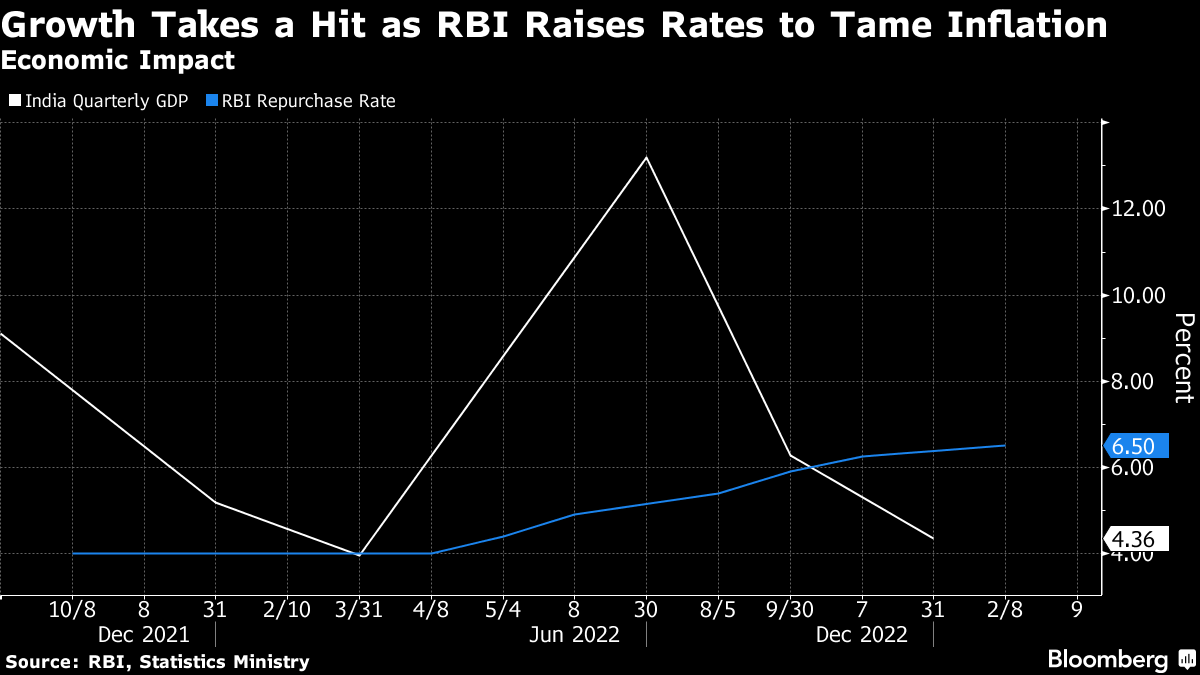
Core inflation, which has stayed above 6% for 16 months, must also ease toward 4% in line with the headline number, monetary panel member Shashanka Bhide said in an interview last month. RBI has raised the policy rate by 250 basis points since May 2022 to 6.5% and an increase up to 6.75% would take India's repurchase rate to the highest since February 2016.
The impact of RBI's most aggressive policy tightening in a decade has started taking a toll on Asia's third-largest economy, with gross domestic product growth disappointing in the three months to December. The growth-inflation trade off has divided the monetary policy committee, with two of its six members calling for a pause in February to ensure economic growth isn't derailed.
“Anecdotal evidence suggests mixed trends in inflation although raw material prices have largely eased,” said Teresa John, an economist with Nirmal Bang Institutional Equities Pvt. She sees a “high probability” of an additional 25-basis-point rate increase next month, even as she expects core inflation to have eased slightly to 5.9% in February.
Prices of a number of consumer goods, including packaged food and dairy products, refrigerators, air conditioners and personal care items are expected to rise by as much as 10%, with companies passing on some input price increases and the impact of rupee depreciation, John said.
--With assistance from .
(Updates with fresh economist comment from third paragraph.)
More stories like this are available on bloomberg.com
©2023 Bloomberg L.P.

-
Why Swapping Your Old Gold Can Trigger A Rs 5 Lakh Tax Bill, And How You Can Avoid It Legally

Swapping old gold for new is taxed as a sale and a fresh purchase. Getting your own gold remade can cut most of that bill, though it has its own costs.
-
The AI Trade is Done. The Real Opportunity for Investors Starts in 2027 | Unhedged Position
As pureplay AI stocks plunge and circular, capex-led financing unwinds, 2027 is set to be a year of reckoning for AI companies. Yet the bust clears the way for a better opportunity for investors in 2027 -- shifting the spotlight from AI builders to the companies using AI.
-
Leadership As Mission: Why The Age Of AI Demands More Human Leadership
Debjani Ghosh examines how AI is changing leadership, arguing that its success must be measured by its impact on people and the accountability of those guiding its use.
-
We May Need Another Tukaram Mundhe To Fight Air Pollution | The Reason Why
Developers may install basic measures such as sprinklers and green nets, resume work, and continue violating rules when this equipment stops working.
-
Extracting Value From Battery Scrap Could Be Challenging For India | The Reason Why
A discarded lithium-ion battery still contains valuable materials such as lithium, nickel and cobalt. These can be recovered and reused. When such batteries are crushed and shredded, they produce a dark powder called black mass.
-
One El Nino, India Can Handle. Two Could Break The Granary
India's grain stocks can absorb one bad year, but a second El Nino could drain the buffer in two to three years, economists say.
-
India's Troika Of Good Luck | Joining The Dots
As Jensen Huang's exit drags Nvidia down, a cooling AI trade and resilient earnings have revived investor interest in India. A likely RBI rate hike looms.
-
Talking Points This Week: Leadership Shock At Nvidia, Earnings Strength, And The Fog Over Hormuz
The Anthropic IPO pricing and first trading day, Nvidia's upcoming earnings, and any fresh signals from Iran will set the tone for the following week.
-
Signature Play: The Classic Cocktail Is Dead. Or Is It?
Classic cocktails are disappearing from India's cocktail menus. But they're still being ordered, taught to bartenders and borrowed from. So, who's really having the last drink?
-
A New Samvat Wishlist: Inclusive Prosperity And Human Development
India has strengthened its economic foundations through infrastructure, digital access and enterprise. Its next growth chapter must deepen productivity, create better livelihoods and widen participation in prosperity.









