GST 2.0: Major Overhaul On The Horizon As India's Landmark Tax Turns 8
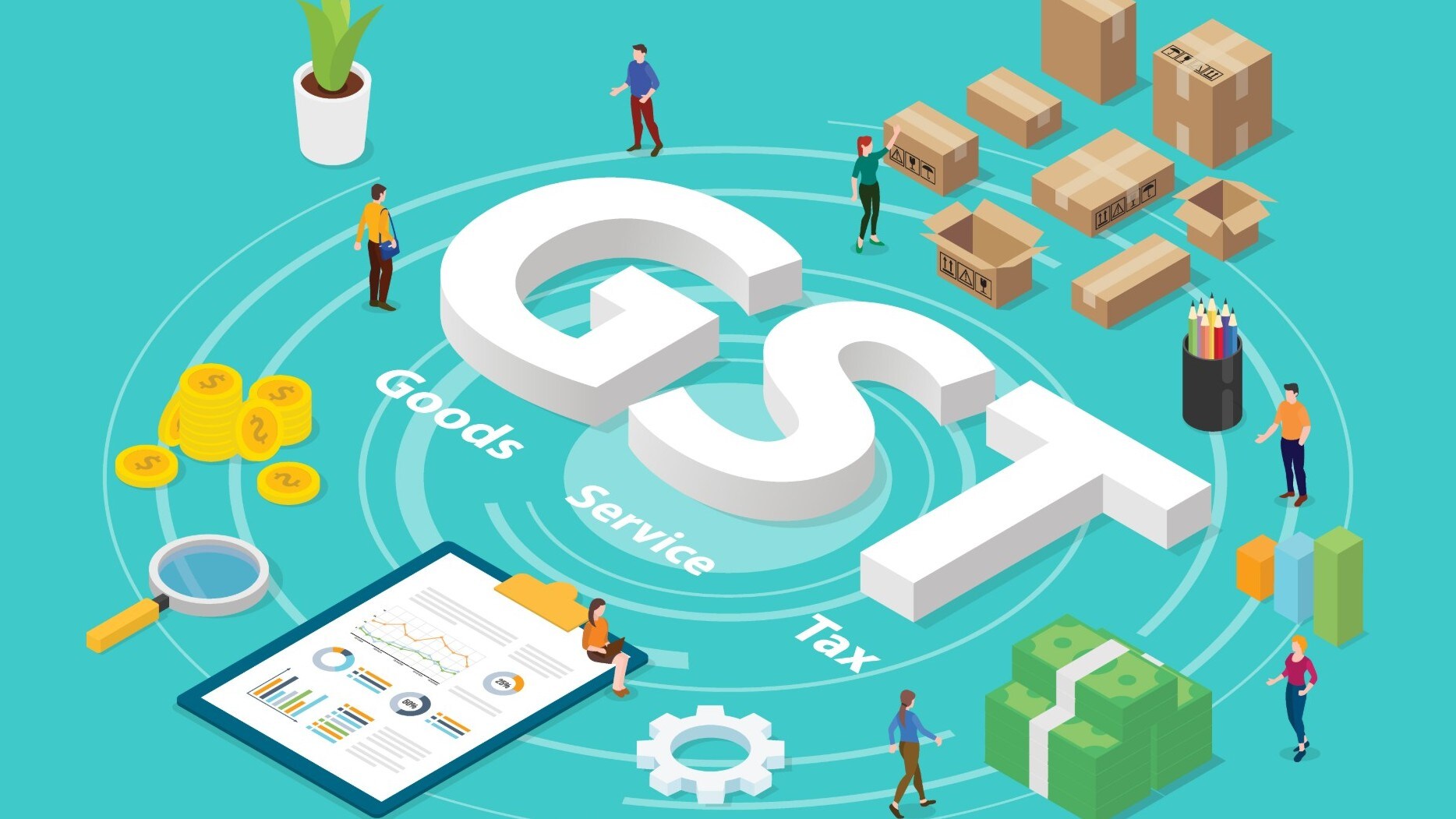
As the Goods and Services Tax (GST) regime enters its ninth year, revenue collections remain robust, but key structural challenges persist.
Experts emphasise that the next phase—dubbed GST 2.0—must focus on expanding the tax base to include petroleum and electricity, rationalising the rate structure and dispute resolution. These reforms are seen as crucial to making GST more efficient, business-friendly, and a stronger driver of India's economic growth.
Bipin Sapra, Partner and Indirect Tax Policy Leader at EY India, notes that while GST has been a landmark reform simplifying compliance and unifying the market, it now needs to evolve from merely stabilising revenues to becoming a strategic enabler of investment and business growth. “The next phase must prioritize expanding the tax base, rationalizing rates, easing credit restrictions, and streamlining audits and investigations,” he says.
One of the pressing issues is the scheduled phase-out of the GST compensation cess by March 2026. This cess currently supports states in compensating for revenue losses from GST implementation. Its withdrawal has reignited debates about state revenue security and the future use of the existing cess surplus, which exceeds Rs 40,000 crore. Discussions are also underway about possible hikes in cess rates on demerit goods such as tobacco and luxury automobiles to bridge funding gaps.
Meanwhile, the long-awaited GST Appellate Tribunal, designed to resolve the growing backlog of tax disputes, is yet to become operational. The government is finalising its structure and regional benches, with plans to roll it out by the end of FY26, which experts say will be a critical step in easing the litigation burden.
Karthik Mani, Partner – Indirect Tax at BDO India, highlights that while GST transformed tax administration and boosted technological adoption, procedural complexities and lingering litigations must be addressed to sustain confidence. “Simplifying the law and resolving high-value disputes are essential to support the government's vision of a developed India by 2047,” he says.
Efforts are also intensifying to standardise compliance and audit processes across the Centre and states. The move includes greater use of data analytics and artificial intelligence to improve return scrutiny and audit triggers, alongside continued emphasis on faceless, technology-driven compliance systems.
Expanding the GST net remains a key priority. Simplifying registration processes—particularly for small businesses and the informal sector—and wider adoption of e-invoicing and invoice matching are expected to improve transparency, plug revenue leakages, and bring more taxpayers into the formal system.
GST At 8: A Snapshot Of A Landmark Reform
The GST was rolled out on July 1, 2017, marking the biggest tax reform in independent India's history. It replaced a complex system of multiple indirect taxes levied separately by the Centre and states—such as excise duty, VAT, and service tax—with a single, unified tax regime.
In FY24–25, Goods and Services Tax (GST) collections reached a record Rs 22.08 lakh crore, marking a 9.4% year-on-year increase. The monthly average stood at Rs 1.84 lakh crore—nearly double the Rs 95,000 crore average recorded in FY20–21, when total collections were Rs 11.37 lakh crore. This steady growth reflects rising economic activity and stronger tax compliance.
As of April 2025, active GST registrations crossed 1.51 crore, indicating deeper formalisation across sectors. The current rate structure includes four main slabs—5%, 12%, 18%, and 28%—which apply to most goods and services, alongside special rates for precious metals and stones. Additionally, a GST Compensation Cess remains in place for select items such as tobacco, aerated beverages, and luxury vehicles, supporting states in managing revenue transitions.
Eight years on, GST has reshaped India's indirect tax landscape through cooperative federalism, digital infrastructure, and streamlined compliance. With the next phase of reforms—GST 2.0—on the anvil, India's tax system is gearing up for a strategic upgrade aimed at boosting ease of doing business, widening the tax base, and driving sustainable economic growth.

-
Gold Is Rs 22,000 Cheaper Than A Month Ago. Should You Buy Amid The Wedding Season?

Gold's potential slide to $3,500 could save around Rs 4,700 per 10 grams, but a soft inflation print could just as easily push prices back up. One way to split the risk is to buy in parts, some now and the rest after the Fed's Dec. 9 decision.
-
AI Agents Are Gaining Power. Who Governs Them?
Artificial intelligence agents promise to transform productivity by moving machines from assisting decisions to executing them. But as organisations delegate greater authority to these AI-agents, they must first establish who controls that authority and who remains accountable when things go wrong.
-
Why Swapping Your Old Gold Can Trigger A Rs 5 Lakh Tax Bill, And How You Can Avoid It Legally
Swapping old gold for new is taxed as a sale and a fresh purchase. Getting your own gold remade can cut most of that bill, though it has its own costs.
-
The AI Trade is Done. The Real Opportunity for Investors Starts in 2027 | Unhedged Position
As pureplay AI stocks plunge and circular, capex-led financing unwinds, 2027 is set to be a year of reckoning for AI companies. Yet the bust clears the way for a better opportunity for investors in 2027 -- shifting the spotlight from AI builders to the companies using AI.
-
Leadership As Mission: Why The Age Of AI Demands More Human Leadership
Debjani Ghosh examines how AI is changing leadership, arguing that its success must be measured by its impact on people and the accountability of those guiding its use.
-
We May Need Another Tukaram Mundhe To Fight Air Pollution | The Reason Why
Developers may install basic measures such as sprinklers and green nets, resume work, and continue violating rules when this equipment stops working.
-
Extracting Value From Battery Scrap Could Be Challenging For India | The Reason Why
A discarded lithium-ion battery still contains valuable materials such as lithium, nickel and cobalt. These can be recovered and reused. When such batteries are crushed and shredded, they produce a dark powder called black mass.
-
One El Nino, India Can Handle. Two Could Break The Granary
India's grain stocks can absorb one bad year, but a second El Nino could drain the buffer in two to three years, economists say.
-
India's Troika Of Good Luck | Joining The Dots
As Jensen Huang's exit drags Nvidia down, a cooling AI trade and resilient earnings have revived investor interest in India. A likely RBI rate hike looms.
-
Talking Points This Week: Leadership Shock At Nvidia, Earnings Strength, And The Fog Over Hormuz
The Anthropic IPO pricing and first trading day, Nvidia's upcoming earnings, and any fresh signals from Iran will set the tone for the following week.









