Finance Minister Nirmala Sitharaman Signals Major Customs Overhaul Ahead Of Budget
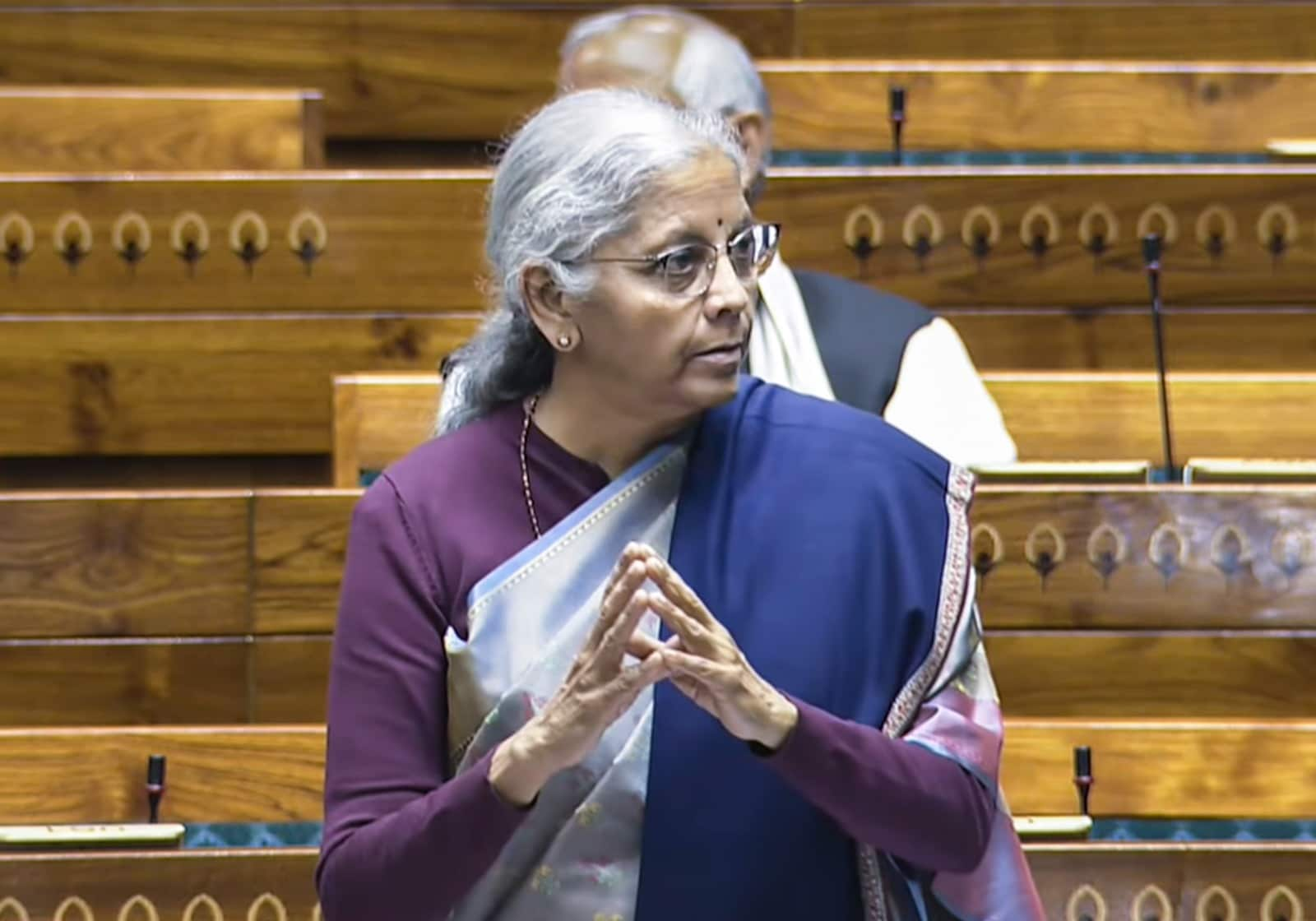
Finance Minister Nirmala Sitharaman has indicated that a sweeping overhaul of India's customs framework is imminent, signalling one of the most significant reforms to the system in recent years.
Speaking at the Hindustan Times Leadership Summit, the Minister described customs as her “next big clean-up job,” emphasising the urgent need to simplify the regime, enhance transparency and make the entire process fully faceless.
Sitharaman noted that while India is broadly aligned with global customs standards, persistent issues in execution continue to hamper efficiency. She drew parallels with the earlier challenges in income tax administration, where complicated procedures had resulted in what she termed “tax terrorism.”
The government subsequently undertook a comprehensive reform—simplifying processes, improving technology and introducing faceless assessments. A similar model, she said, is now being prepared for customs.
A key concern driving the revamp is the rising risk of illicit contraband entering the country. The Minister called this a “serious problem” that requires stronger risk-based checks without adding friction for legitimate trade. By making the system fully faceless and automating decision-making, the government aims to eliminate discretion, reduce harassment and ensure consistent enforcement.
Sitharaman highlighted that customs duties have already been reduced steadily over the last two years. However, she acknowledged that some duty slabs remain high and “will have to come down” as part of a rationalised structure. Lower and simplified duty rates, she suggested, would reduce disputes, improve compliance and support trade competitiveness.
The Minister stressed that the overhaul is not a Budget-day surprise but a well-signalled structural reform. “It's not a secret I'm letting out before the Budget,” she remarked, underscoring that the groundwork is already underway. However, when asked whether the revamp would amount to a “big bang reform,” she deferred the characterisation to the media.

-
Signature Play: The Classic Cocktail Is Dead. Or Is It?

Classic cocktails are disappearing from India's cocktail menus. But they're still being ordered, taught to bartenders and borrowed from. So, who's really having the last drink?
-
A New Samvat Wishlist: Inclusive Prosperity And Human Development
India has strengthened its economic foundations through infrastructure, digital access and enterprise. Its next growth chapter must deepen productivity, create better livelihoods and widen participation in prosperity.
-
Love, Sex Aur Dhokha: The Audacious Plot To Spy On Jensen Huang
A Taipei dinner, a Singapore chip buyer and a suspected Chinese asset: inside the alleged spy operation that got close to NVIDIA's Jensen Huang.
-
Ten Things I Learnt This Samvat
Patience can be a trap. Cheap stocks can stay cheap. Leverage can wipe you out. What did Samvat 2082 teach us? Niraj Shah writes on 10 lessons from the year gone by.
-
Talking Points This Week: Tech Nerves, FII Buying, And A Faraway Banking Shock
The global markets are not shining this Diwali. The exception in the large markets is, India.
-
Midterm Rally Lasted A Day. The Hard Reality Of A Divided US May Last Two Years | Opinion
Between a contested AI boom, a debt ceiling that arrives in 2027 and a president with every incentive to act alone, the next two years may prove more volatile than the first day's rally suggests.
-
Blue Wave Will Derail the AI Trade but Won't Dismantle the AI Era | Unhedged Position
The Democrats' sweep of the US Congress will see politics collide with economic forces both over the long and short term.
-
It's Time To Take The GST Council's Bet On Trust Global
Payment records can prove India's services exports, and clear, proportionate rules can bring foreign digital sellers into the tax net.
-
Opinion | India at 38: From Innovation Overperformer to Innovation Powerhouse
India now has 453 VC-backed deep science startups, 18 of them late-stage, after 117 percent growth since 2020. Laurus Labs, at USD 9.3 billion, is the most valuable deep science company in any middle-income economy outside China.









