'Deluding Ourselves': ORF's Sushant Sareen Sees US-India Story Dead After Trump Trims China Tariffs
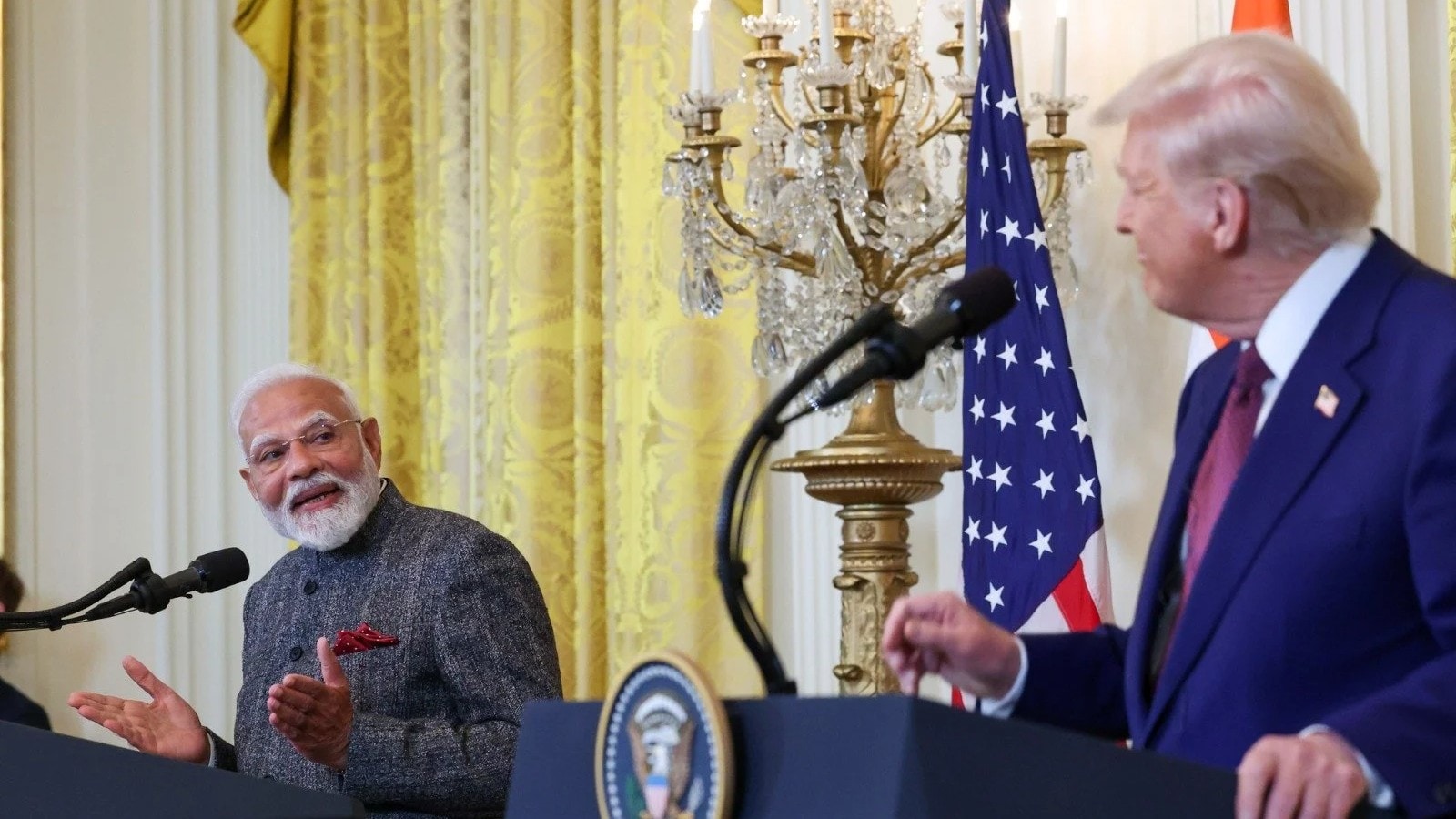
Sushant Sareen took to social media on Thursday after US President Donald Trump announced a 10% reduction in tariffs on Chinese goods. Sareen, Strategic affairs analyst and Senior Fellow at ORF remarked that the India–US partnership has effectively ended, asserting that Trump has deliberately and consciously dismantled it.
He stated that many Indians remain blinded by Trump's exaggerated praise and flowery language, failing to see that no meaningful strategic relationship remains between the two nations.
Sareen added that while some aspects of the economic relationship might still be salvaged, the broader strategic engagement is over, and it is time for India to move on.
“What will it take for us to realise that the US–India relationship is over? We are so taken in by Trump's false praises and superlatives that we are missing the fact that there is no strategic partnership left. We might still be able to salvage parts of the economic relationship, but that's the best-case scenario. Otherwise, if we think this relationship will return to what it was a year ago, we are deluding ourselves. The US–India story is over. Trump has killed it, deliberately and consciously. Instead of lamenting over it, let's move on,” Sareen wrote on X.
What will it take for us to wake up to the fact that the US-India relationship is over? We are so taken in by Trumps fake praises and his superlatives that we are missing the fact that there is no strategic relationship left. We might still be able to rescue some part of the… https://t.co/IkltnkJksQ
October 30, 2025His remarks came following a meeting between US President Donald Trump and Chinese President Xi Jinping in Busan, which resulted in agreements aimed at reducing trade tensions and ensuring the smooth flow of rare earth minerals.
The outcome included a 10% cut in US tariffs on Chinese imports, lowering the rate from 57% to 47%. Trump said that “a lot of decisions were made” and hinted at “conclusions on very important matters” expected soon.
Trump added that not everything had been discussed, but key issues such as cooperation on fentanyl, the resumption of American soybean sales to China, and rare earth exports had been addressed.
“We agreed that President Xi will work very hard to stop fentanyl, soybean purchases will start immediately, and tariffs on China will be lowered from 57% to 47%,” Trump said.
On the subject of rare earths, Trump declared, “All the rare earth issues have been settled,” promising there would be “no more roadblocks” to Chinese exports. This has provided relief to US technology and defence firms that had feared potential supply chain disruptions.
The meeting also resulted in commitments to resume American soybean sales to China, with Trump calling it “a big win for our farmers.” He said, “Many very important points were agreed upon, and China will immediately start buying soybeans again.”
Additionally, the two leaders discussed plans for reciprocal visits, with Trump announcing that he would travel to China in April, followed by a visit from Xi later in the year.
“I'll be going to China in April, and he'll be coming here sometime after that, whether it's in Florida, Palm Beach, or Washington, DC,” he said. Trump also revealed that the subject of Taiwan “never came up” during their talks, an unusual omission given its prominence in past disputes.
Trump described the overall outcome of the meeting as “a twelve out of ten” and praised Xi as “a great leader.” The rare earths agreement is currently valid for one year, though Trump said it would be extended.

-
We May Need Another Tukaram Mundhe To Fight Air Pollution | The Reason Why

Developers may install basic measures such as sprinklers and green nets, resume work, and continue violating rules when this equipment stops working.
-
Extracting Value From Battery Scrap Could Be Challenging For India | The Reason Why
A discarded lithium-ion battery still contains valuable materials such as lithium, nickel and cobalt. These can be recovered and reused. When such batteries are crushed and shredded, they produce a dark powder called black mass.
-
One El Nino, India Can Handle. Two Could Break The Granary
India's grain stocks can absorb one bad year, but a second El Nino could drain the buffer in two to three years, economists say.
-
India's Troika Of Good Luck | Joining The Dots
As Jensen Huang's exit drags Nvidia down, a cooling AI trade and resilient earnings have revived investor interest in India. A likely RBI rate hike looms.
-
Talking Points This Week: Leadership Shock At Nvidia, Earnings Strength, And The Fog Over Hormuz
The Anthropic IPO pricing and first trading day, Nvidia's upcoming earnings, and any fresh signals from Iran will set the tone for the following week.
-
Signature Play: The Classic Cocktail Is Dead. Or Is It?
Classic cocktails are disappearing from India's cocktail menus. But they're still being ordered, taught to bartenders and borrowed from. So, who's really having the last drink?
-
A New Samvat Wishlist: Inclusive Prosperity And Human Development
India has strengthened its economic foundations through infrastructure, digital access and enterprise. Its next growth chapter must deepen productivity, create better livelihoods and widen participation in prosperity.
-
Love, Sex Aur Dhokha: The Audacious Plot To Spy On Jensen Huang
A Taipei dinner, a Singapore chip buyer and a suspected Chinese asset: inside the alleged spy operation that got close to NVIDIA's Jensen Huang.
-
Ten Things I Learnt This Samvat
Patience can be a trap. Cheap stocks can stay cheap. Leverage can wipe you out. What did Samvat 2082 teach us? Niraj Shah writes on 10 lessons from the year gone by.
-
Talking Points This Week: Tech Nerves, FII Buying, And A Faraway Banking Shock
The global markets are not shining this Diwali. The exception in the large markets is, India.









