Largest Covid Vaccine Study Yet Finds Links to Health Conditions
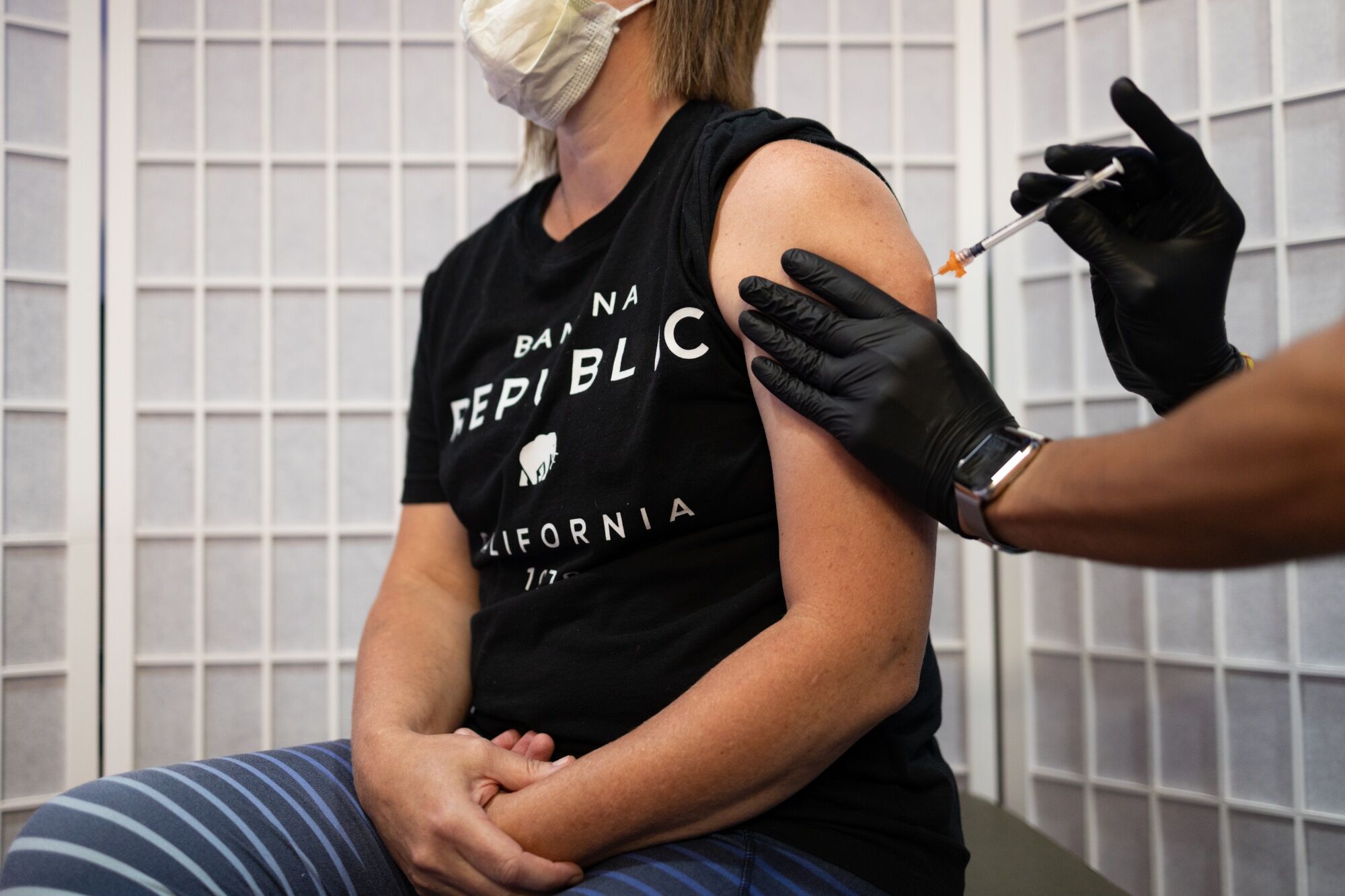
(Bloomberg) -- Vaccines that protect against severe illness, death and lingering long Covid symptoms from a coronavirus infection were linked to small increases in neurological, blood, and heart-related conditions in the largest global vaccine safety study to date.
The rare events — identified early in the pandemic — included a higher risk of heart-related inflammation from mRNA shots made by Pfizer Inc., BioNTech SE, and Moderna Inc., and an increased risk of a type of blood clot in the brain after immunization with viral-vector vaccines such as the one developed by the University of Oxford and made by AstraZeneca Plc.
The viral-vector jabs were also tied to an increased risk of Guillain-Barre syndrome, a neurological disorder in which the immune system mistakenly attacks the peripheral nervous system.
More than 13.5 billion doses of Covid vaccines have been administered globally over the past three years, saving over 1 million lives in Europe alone. Still, a small proportion of people immunized were injured by the shots, stoking debate about their benefits versus harms.
The new research, by the Global Vaccine Data Network, was published in the journal Vaccine last week, with the data made available via interactive dashboards to show methodology and specific findings.
Read More: Covid Test Failures Highlight Evolving Relationship With Virus
The research looked for 13 medical conditions that the group considered “adverse events of special interest” among 99 million vaccinated individuals in eight countries, aiming to identify higher-than-expected cases after a Covid shot. The use of aggregated data increased the possibility of identifying rare safety signals that might have been missed when looking only at smaller populations.
Myocarditis, or inflammation of the heart muscle, was consistently identified following a first, second and third dose of mRNA vaccines, the study found. The highest increase in the observed-to-expected ratio was seen after a second jab with the Moderna shot. A first and fourth dose of the same vaccine was also tied to an increase in pericarditis, or inflammation of the thin sac covering the heart.
Safety Signals
Researchers found a statistically significant increase in cases of Guillain-Barre syndrome within 42 days of an initial Oxford-developed ChAdOx1 or “Vaxzevria” shot that wasn't observed with mRNA vaccines. Based on the background incidence of the condition, 66 cases were expected — but 190 events were observed.
ChAdOx1 was linked to a threefold increase in cerebral venous sinus thrombosis, a type of blood clot in the brain, identified in 69 events, compared with an expected 21. The small risk led to the vaccine's withdrawal or restriction in Denmark and multiple other countries. Myocarditis was also linked to a third dose of ChAdOx1 in some, but not all, populations studied.
Possible safety signals for transverse myelitis — spinal cord inflammation — after viral-vector vaccines was identified in the study. So was acute disseminated encephalomyelitis — inflammation and swelling in the brain and spinal cord — after both viral-vector and mRNA vaccines.
Seven cases of acute disseminated encephalomyelitis after vaccination with the Pfizer-BioNTech vaccine were observed, versus an expectation of two.
The adverse events of special interest were selected based on pre-established associations with immunization, what was already known about immune-related conditions and pre-clinical research. The study didn't monitor for postural orthostatic tachycardia syndrome, or POTS, that some research has linked with Covid vaccines.
Exercise intolerance, excessive fatigue, numbness and “brain fog” were among common symptoms identified in more than 240 adults experiencing chronic post-vaccination syndrome in a separate study conducted by the Yale School of Medicine. The cause of the syndrome isn't yet known, and it has no diagnostic tests or proven remedies.
Read More: Strenuous Exercise May Harm Long Covid Sufferers, Study Shows
The Yale research aims to understand the condition to relieve the suffering of those affected and improve the safety of vaccines, said Harlan Krumholz, a principal investigator of the study, and director of the Yale New Haven Hospital Center for Outcomes Research and Evaluation.
“Both things can be true,” Krumholz said in an interview. “They can save millions of lives, and there can be a small number of people who've been adversely affected.”
More stories like this are available on bloomberg.com
©2024 Bloomberg L.P.

-
Why Swapping Your Old Gold Can Trigger A Rs 5 Lakh Tax Bill, And How You Can Avoid It Legally

Swapping old gold for new is taxed as a sale and a fresh purchase. Getting your own gold remade can cut most of that bill, though it has its own costs.
-
The AI Trade is Done. The Real Opportunity for Investors Starts in 2027 | Unhedged Position
As pureplay AI stocks plunge and circular, capex-led financing unwinds, 2027 is set to be a year of reckoning for AI companies. Yet the bust clears the way for a better opportunity for investors in 2027 -- shifting the spotlight from AI builders to the companies using AI.
-
Leadership As Mission: Why The Age Of AI Demands More Human Leadership
Debjani Ghosh examines how AI is changing leadership, arguing that its success must be measured by its impact on people and the accountability of those guiding its use.
-
We May Need Another Tukaram Mundhe To Fight Air Pollution | The Reason Why
Developers may install basic measures such as sprinklers and green nets, resume work, and continue violating rules when this equipment stops working.
-
Extracting Value From Battery Scrap Could Be Challenging For India | The Reason Why
A discarded lithium-ion battery still contains valuable materials such as lithium, nickel and cobalt. These can be recovered and reused. When such batteries are crushed and shredded, they produce a dark powder called black mass.
-
One El Nino, India Can Handle. Two Could Break The Granary
India's grain stocks can absorb one bad year, but a second El Nino could drain the buffer in two to three years, economists say.
-
India's Troika Of Good Luck | Joining The Dots
As Jensen Huang's exit drags Nvidia down, a cooling AI trade and resilient earnings have revived investor interest in India. A likely RBI rate hike looms.
-
Talking Points This Week: Leadership Shock At Nvidia, Earnings Strength, And The Fog Over Hormuz
The Anthropic IPO pricing and first trading day, Nvidia's upcoming earnings, and any fresh signals from Iran will set the tone for the following week.
-
Signature Play: The Classic Cocktail Is Dead. Or Is It?
Classic cocktails are disappearing from India's cocktail menus. But they're still being ordered, taught to bartenders and borrowed from. So, who's really having the last drink?
-
A New Samvat Wishlist: Inclusive Prosperity And Human Development
India has strengthened its economic foundations through infrastructure, digital access and enterprise. Its next growth chapter must deepen productivity, create better livelihoods and widen participation in prosperity.









