A Policy Framework For India’s Covid-19 Migration
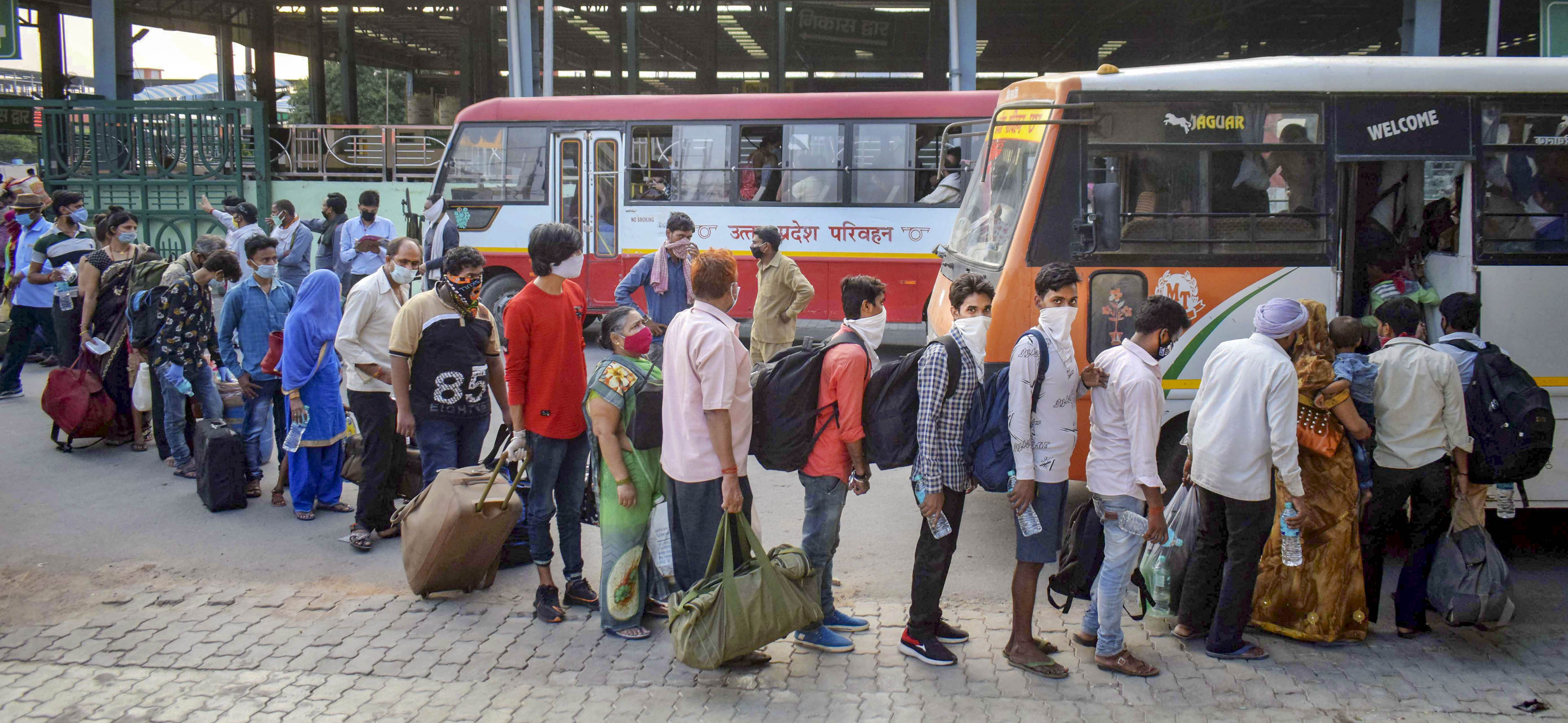
The images of migrants desperately seeking to return home following the imposition of the lockdown due to Covid-19, will not be erased from public memory anytime soon. Migration is not a new phenomenon in India, but the realisation of the magnitude of dependence on the migrant workforce in the development process is certainly new for many.
The Director-General of the International Labour Organization, Guy Ryder, in his opening remarks of the 2014 International Labour Conference, had said that while migration had the potential to considerably contribute to development, it posed not only a major policy challenge but also continued to be associated with the unacceptable treatment of some of the most vulnerable people in the labour market.
It was in this session of the ILC that the constituents of the ILO—governments, employers, and workers—endorsed the Fair Migration Agenda. It is an agenda that advocated for the realisation of decent work opportunities for all migrant workers while respecting their fundamental rights. It recognised the contribution that migrant workers make to societies and admits the vulnerability of communities which they come from and where they work. It submitted the urgent need for a governance mechanism for migrants to benefit from the prosperity that they had a hand, or two, in contributing to.
Although the Director General's comments and the Fair Migration Agenda was rooted in the international labour migration discourse, there is clearly a need to apply it for those workers who are moving within their own countries.
In the case of India, these migrants are over 450 million, whose movement can be directly or indirectly linked to the search for employment.
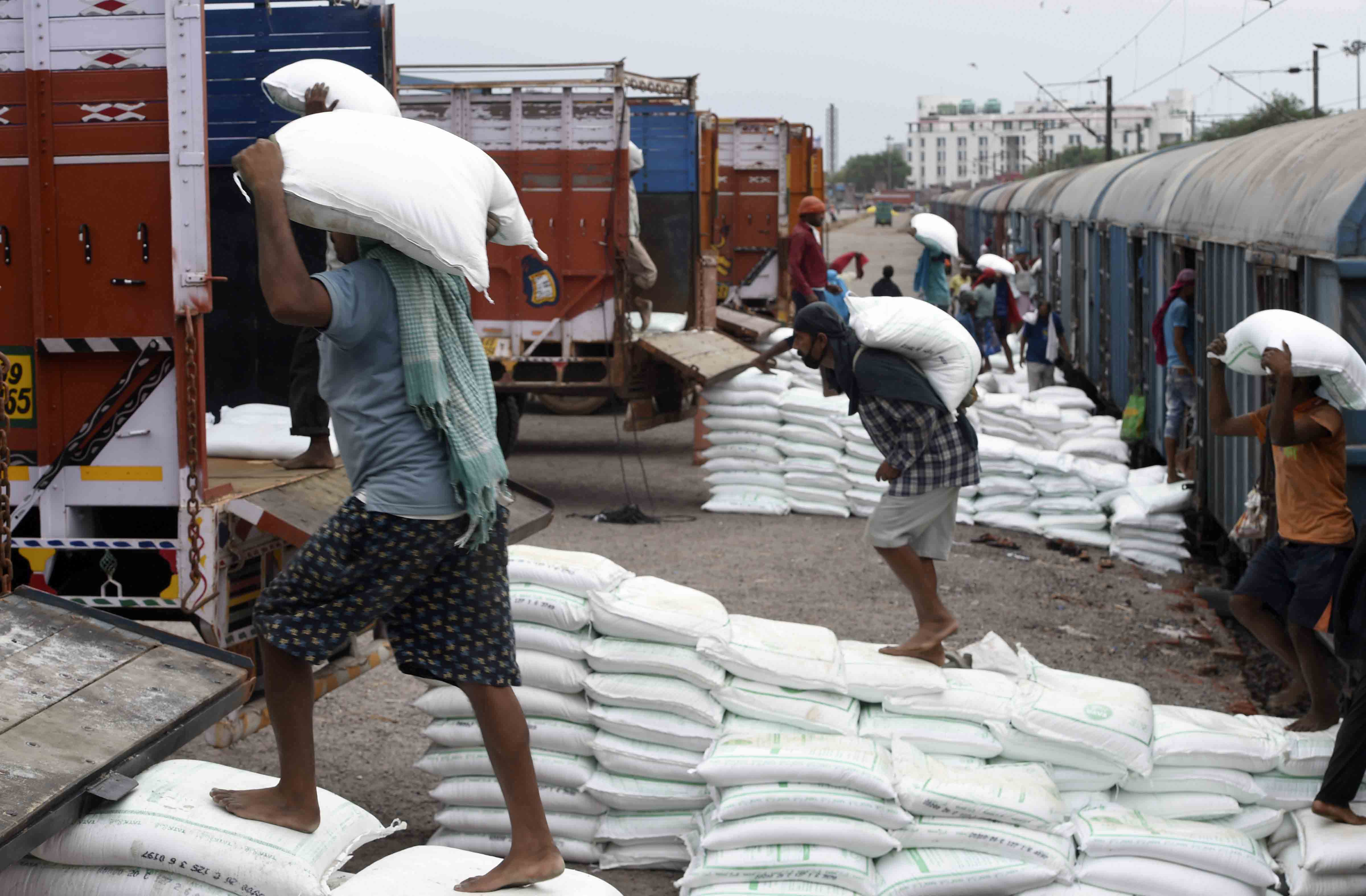
India's Migration Maths
The 2011 census reported over 41 million Indians migrated from rural to urban areas for work, now almost at the end of this decade, we can certainly expect a multi-fold rise in these estimations. Migration has always been a strategy that a majority of workers in India would have used to fulfill their aspiration to uplift from poverty and to access livelihoods that promise decent work.
Providing key contributions to high-growth sectors of construction, manufacturing, and urban services at the destination sites, this group of vulnerable daily-wage workers were dealing with precarity even before the crisis struck. Mostly recruited through unfair channels; underpaid and overworked; they are engaged in the environment compromised of occupational safety and health. Cities, overburdened and underprepared to provide guaranteed social protection to these migrants, often deny them access to adequate food and nutrition, quality healthcare, housing, or water and sanitation facilities.
Between lack of opportunities at source and forced-labour like conditions at destination, migrants—including women and children—fall for the latter. For most of the migrants, their families, dependent on the remittances they send, remain the key motive. However, the crisis and the lockdown compounded their difficulties and blurred their motives to stay back.
It is almost two months since India went into lockdown, one of the most stringent government responses globally in its fight against Covid-19.
New Governance Challenges
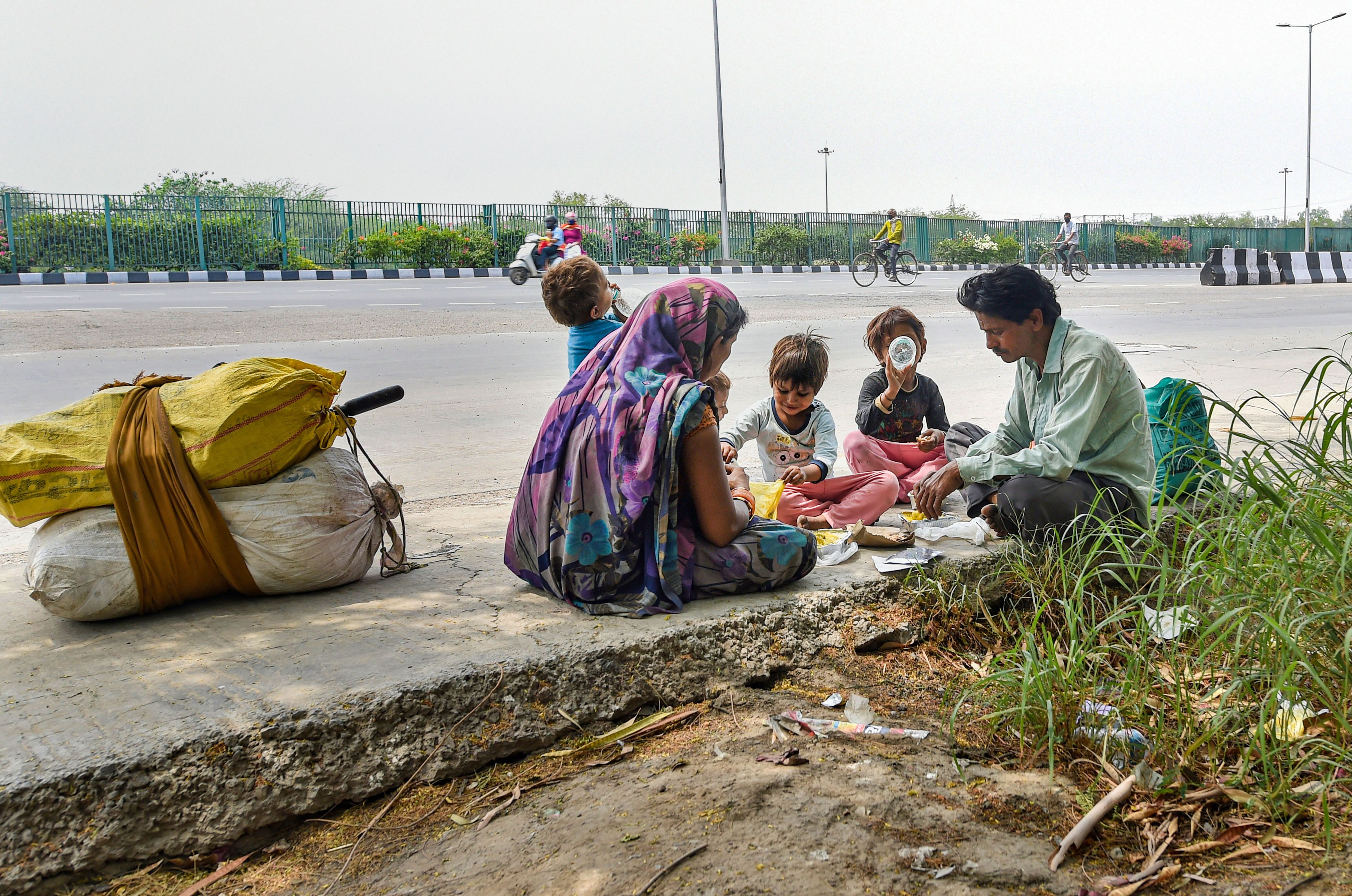
Even as the relaxations for economic activities will come in place, the migrants may continue to return home to avoid tryst with the uncertainties of these times. On priority, they should be received back home in a safe and dignified manner. Quarantining for the prescribed period may be important to avoid community transmission.
However, authorities, both at the state and local level, should ensure that returnees are not stigmatised as a result of their migration status and perceived to be the ‘carriers' of the disease. This should be the first step in alleviating their suffering so that they feel accepted in their local communities and homes.
The full-fledged revival of economic activities still appears distant. To ensure that we do not repeat the mistakes that have been unearthed as a result of this crisis, a whole-of-government and whole-of-society approach should be upheld. A fair and effective labour migration governance system for workers within the country is an urgent need of the hour.
While back home, the migrants need to be supported with relevant information and counselling for job search and employment opportunities given their skills and previous experience through their local governance and panchayat structures, integrated into the social protection schemes that apply to local workers, and provided with referrals for continued health care and to address their grievances.
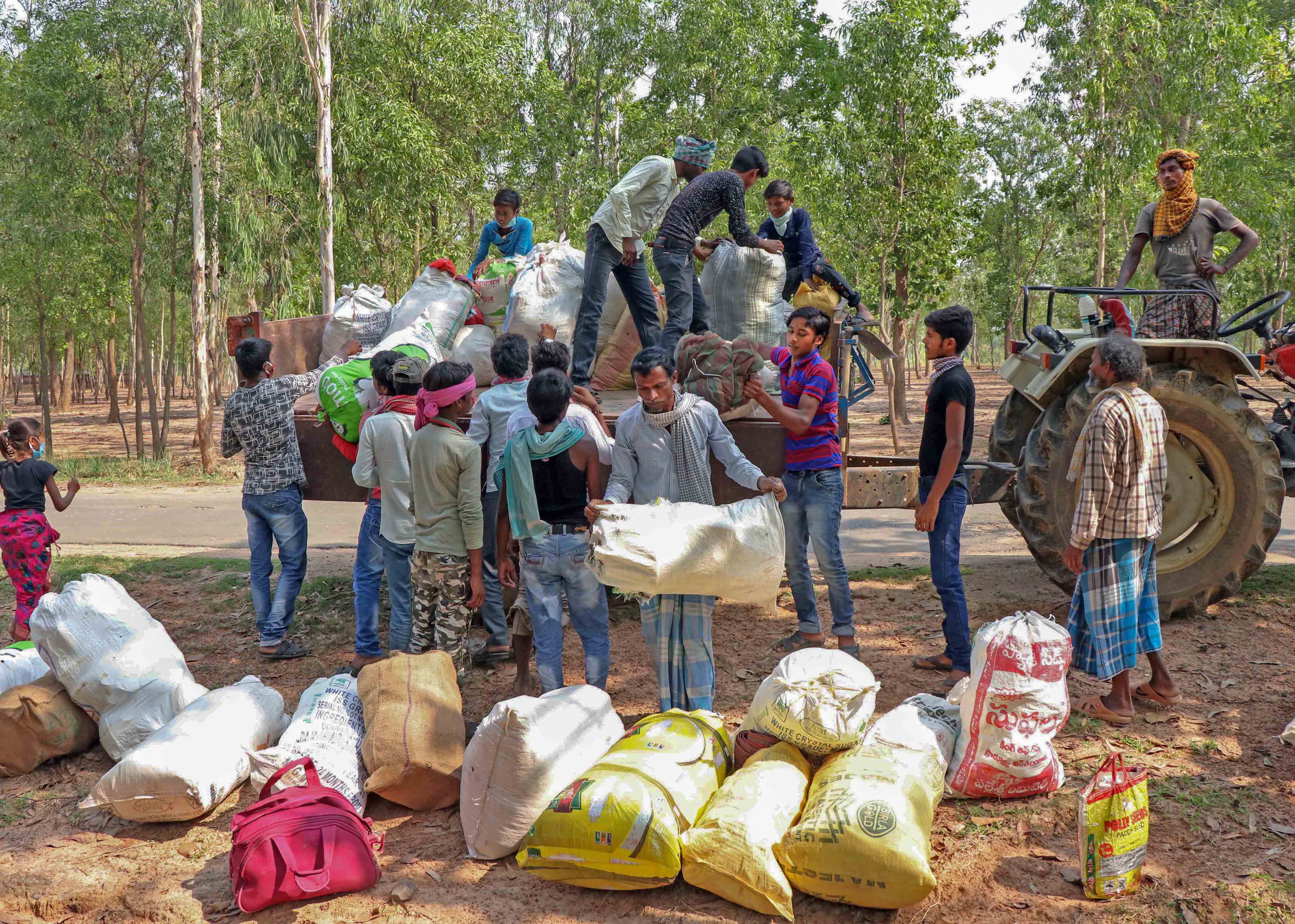
These measures along with effective coordination and collaboration between the states of origin and destination and between state and local authorities are paramount for effective social and economic reintegration.
The central and state governments need to continue their efforts to address the informality of the Indian economy, the rural-urban divide, the uneven growth within states and between regions in the country, and the social and economic inequalities associated with the poorest and vulnerable.
This fair migration governance system should deliver both benefits and opportunities for migrant workers, their families, sending- and receiving-communities alike. It should ensure the protection of the labour rights of workers while taking into account the views of the employers to foster innovation in business and enterprises.
This will only be possible with strong policies and legal frameworks that can be drawn from a robust set of global standards and practical guidance that organisations like the ILO are here to support.
As the oldest United Nations agency established to bring social justice to the workplace, ILO is well-placed to draw from its experiences of over a hundred years particularly through the benefits of tripartism and social dialogue. It has a mandate to reduce the widening inequalities, to promote decent work and employment opportunities, to forge common ground amongst the partners in the labour movement to ensure the dignity of labour for all workers, and to progress beyond divisiveness.
The global experience shows that migration will continue as long as there is hope, aspiration, and an alternative livelihood option better than those available at home. The destinations, now have the task to build back better and this is only possible when built with a human-centred approach at its core.
Shabarinath Nair is Regional Migration Specialist, and Divya Verma is Programme Officer, at the International Labour Organization's Decent Work Technical Support Team for South Asia and India.
The views expressed here are those of the author and do not necessarily represent the views of BloombergQuint or its editorial team.

-
Gold Is Rs 22,000 Cheaper Than A Month Ago. Should You Buy Amid The Wedding Season?

Gold's potential slide to $3,500 could save around Rs 4,700 per 10 grams, but a soft inflation print could just as easily push prices back up. One way to split the risk is to buy in parts, some now and the rest after the Fed's Dec. 9 decision.
-
AI Agents Are Gaining Power. Who Governs Them?
Artificial intelligence agents promise to transform productivity by moving machines from assisting decisions to executing them. But as organisations delegate greater authority to these AI-agents, they must first establish who controls that authority and who remains accountable when things go wrong.
-
Why Swapping Your Old Gold Can Trigger A Rs 5 Lakh Tax Bill, And How You Can Avoid It Legally
Swapping old gold for new is taxed as a sale and a fresh purchase. Getting your own gold remade can cut most of that bill, though it has its own costs.
-
The AI Trade is Done. The Real Opportunity for Investors Starts in 2027 | Unhedged Position
As pureplay AI stocks plunge and circular, capex-led financing unwinds, 2027 is set to be a year of reckoning for AI companies. Yet the bust clears the way for a better opportunity for investors in 2027 -- shifting the spotlight from AI builders to the companies using AI.
-
Leadership As Mission: Why The Age Of AI Demands More Human Leadership
Debjani Ghosh examines how AI is changing leadership, arguing that its success must be measured by its impact on people and the accountability of those guiding its use.
-
We May Need Another Tukaram Mundhe To Fight Air Pollution | The Reason Why
Developers may install basic measures such as sprinklers and green nets, resume work, and continue violating rules when this equipment stops working.
-
Extracting Value From Battery Scrap Could Be Challenging For India | The Reason Why
A discarded lithium-ion battery still contains valuable materials such as lithium, nickel and cobalt. These can be recovered and reused. When such batteries are crushed and shredded, they produce a dark powder called black mass.
-
One El Nino, India Can Handle. Two Could Break The Granary
India's grain stocks can absorb one bad year, but a second El Nino could drain the buffer in two to three years, economists say.
-
India's Troika Of Good Luck | Joining The Dots
As Jensen Huang's exit drags Nvidia down, a cooling AI trade and resilient earnings have revived investor interest in India. A likely RBI rate hike looms.
-
Talking Points This Week: Leadership Shock At Nvidia, Earnings Strength, And The Fog Over Hormuz
The Anthropic IPO pricing and first trading day, Nvidia's upcoming earnings, and any fresh signals from Iran will set the tone for the following week.









