Zomato Vs Swiggy Vs Zepto: The Rise Of 10-15 Minute Food Delivery Wars
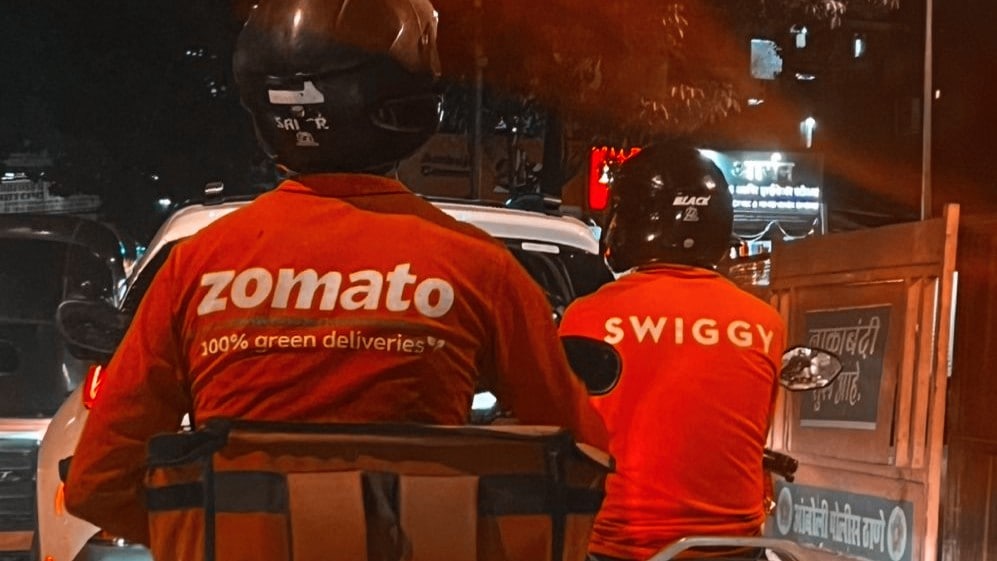
The competition to dominate the ultra-fast food delivery market has heated up, with major players like Zomato, Swiggy, and several startups now vying for control in the 10-15-minute delivery segment.
Zomato's New 15-Minute Delivery Offering
Zomato Ltd. has re-entered the quick-delivery space with a 15-minute food delivery service, two years after discontinuing its earlier 10-minute feature, Instant. The service is live in select locations across Mumbai and Bengaluru, marking a new phase for Zomato in the ultra-fast delivery market.
Instant was discontinued in January 2023 after being piloted for a year in parts of Delhi, Gurugram, and Bengaluru. Zomato explained at the time that Instant was not shutting down but was being rebranded and adapted with a new menu. “All finishing stations remain intact, and no people are impacted by this decision,” Zomato stated.
Zomato's quick commerce arm, Blinkit, had entered the 10-minute food delivery space through Bistro, but the 15-minute offering signals an expansion of Zomato's strategy in this competitive market.
Swiggy Enters The Fray With Snacc
Swiggy has launched a standalone app called Snacc, aimed at the 15-minute food delivery segment. This change reflects a strategic shift for Swiggy, which previously offered quick delivery via Bolt, a tab within its main app. Bolt will remain part of Swiggy's primary platform.
Snacc marks a departure from Swiggy's previous model, which had kept costs low by using a shared fleet of drivers across services like Instamart, Dineout, and Bolt. The introduction of a dedicated app could disrupt this cost-efficient approach.
The Rise Of Startups In 10-Minute Delivery
Startups are also challenging the major players in the 10-15 minute food delivery space. New entrants like Zepto, Swish, Zing, and Ola Dash are competing for market share:
Zepto Café: Operates its own cafés to ensure fast deliveries within a tight radius.
Swish: A Bengaluru-based startup specialising in 10-minute food delivery.
Zing: An NCR-based venture offering similar services.
Ola Dash: Expanding in the ultra-fast delivery segment.
These startups bring fresh approaches but face the challenges of scaling operations and achieving profitability.
How Are They Making It Work?
The logistics behind 10-15 minute delivery rely on proximity and precision. Zomato and Swiggy fulfil orders from restaurants within a 2-kilometre radius, reducing delivery time. Zepto uses a different model by delivering exclusively from its own cafés, providing better control over the menu and preparation speed.
Key Questions To Consider
Affordability: The high convenience of ultra-fast delivery is offset by the challenges of affordability. The increased cost of delivery could deter price-sensitive customers, while providers face operational strains.
Profitability: Maintaining delivery windows as short as 10-15 minutes demands significant investment in technology, logistics, and staff, raising concerns about long-term profitability, especially in a competitive market.
Sustainability: Environmental impacts and pressure on delivery personnel are growing concerns. Companies must balance speed with ethical practices for long-term viability.
Variety: Quick delivery services often limit menu options to maintain speed. Consumers could experience fewer choices compared to traditional delivery services.
Competitiveness: The market is becoming increasingly competitive with multiple new players. Companies must differentiate themselves through pricing, service quality, or exclusive offerings.
The Road Ahead
The 10-15 minute food delivery wars are reshaping consumer expectations and industry dynamics. While the scalability and sustainability of these models remain uncertain, the demand for faster delivery continues to grow. As competition intensifies, success will depend on finding a balance between speed, affordability, and operational efficiency.

-
One El Nino, India Can Handle. Two Could Break The Granary

India's grain stocks can absorb one bad year, but a second El Nino could drain the buffer in two to three years, economists say.
-
India's Troika Of Good Luck | Joining The Dots
As Jensen Huang's exit drags Nvidia down, a cooling AI trade and resilient earnings have revived investor interest in India. A likely RBI rate hike looms.
-
Talking Points This Week: Leadership Shock At Nvidia, Earnings Strength, And The Fog Over Hormuz
The Anthropic IPO pricing and first trading day, Nvidia's upcoming earnings, and any fresh signals from Iran will set the tone for the following week.
-
Signature Play: The Classic Cocktail Is Dead. Or Is It?
Classic cocktails are disappearing from India's cocktail menus. But they're still being ordered, taught to bartenders and borrowed from. So, who's really having the last drink?
-
A New Samvat Wishlist: Inclusive Prosperity And Human Development
India has strengthened its economic foundations through infrastructure, digital access and enterprise. Its next growth chapter must deepen productivity, create better livelihoods and widen participation in prosperity.
-
Love, Sex Aur Dhokha: The Audacious Plot To Spy On Jensen Huang
A Taipei dinner, a Singapore chip buyer and a suspected Chinese asset: inside the alleged spy operation that got close to NVIDIA's Jensen Huang.
-
Ten Things I Learnt This Samvat
Patience can be a trap. Cheap stocks can stay cheap. Leverage can wipe you out. What did Samvat 2082 teach us? Niraj Shah writes on 10 lessons from the year gone by.
-
Talking Points This Week: Tech Nerves, FII Buying, And A Faraway Banking Shock
The global markets are not shining this Diwali. The exception in the large markets is, India.
-
Midterm Rally Lasted A Day. The Hard Reality Of A Divided US May Last Two Years | Opinion
Between a contested AI boom, a debt ceiling that arrives in 2027 and a president with every incentive to act alone, the next two years may prove more volatile than the first day's rally suggests.
-
Blue Wave Will Derail the AI Trade but Won't Dismantle the AI Era | Unhedged Position
The Democrats' sweep of the US Congress will see politics collide with economic forces both over the long and short term.









