Zomato, Paytm Stay Strong Bets For These Two Backers Of India's Internet Economy
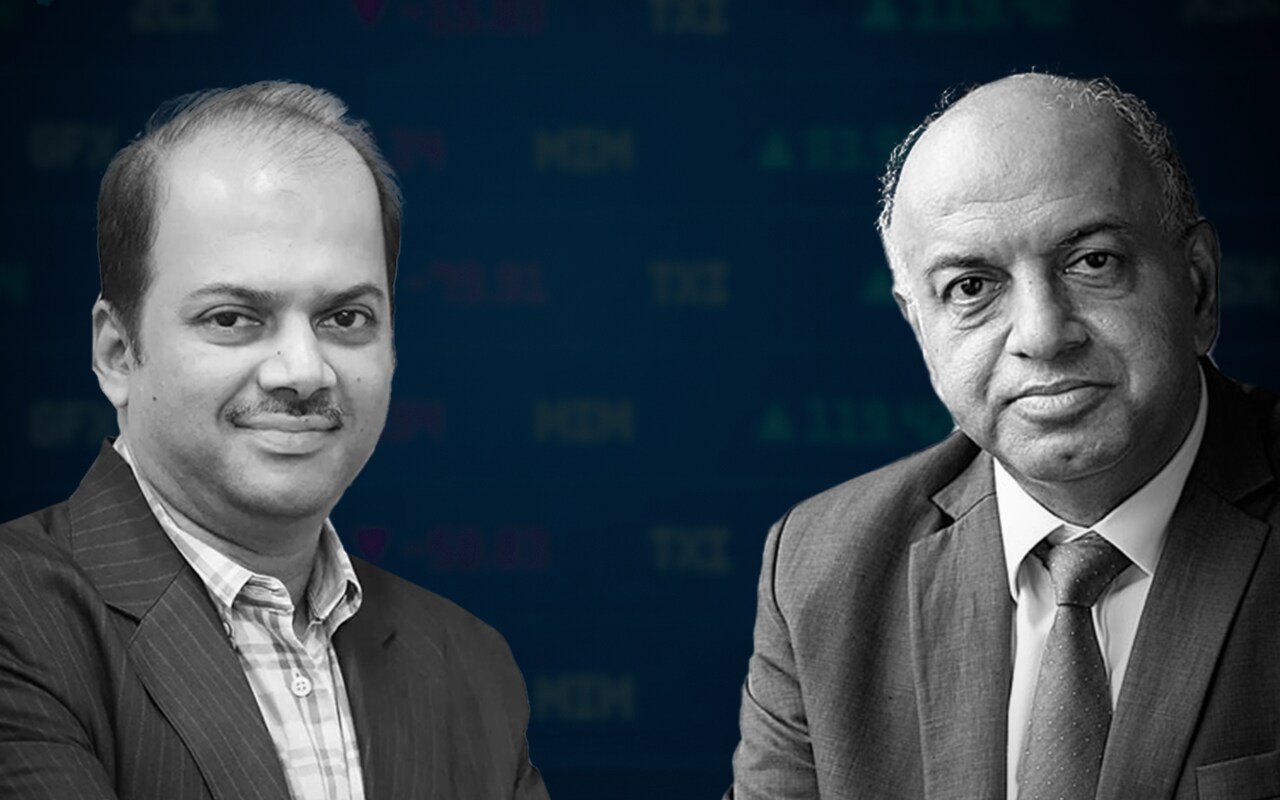
Shares of Zomato Ltd. have tumbled more than two-thirds from their peak as tech stocks bore the brunt of a slowing global economy. But Sanjeev Bikhchandani, the founder of Info Edge India Ltd. and an early backer of the food ordering and delivery platform, is confident that it will start making profit in the next one to two years.
Info Edge had invested Rs 4.7 crore in Zomato in seed funding in 2010. “We went in with Rs 4 crore in four and a half months. The next round was Rs 13 crore," Bikhchandani told BQ Prime's Niraj Shah on special series Insight. "So, slowly, small size nibbles and that's the best way to go into early-stage companies and markets.”
“The theme was good and therefore we went in," he said. "We don't look at the sector, we go company by company," Bikhchandani. Shipsy, Shiprocket and Ixigo are some of the promising companies in its portfolio, he said.
Bikhchandani called early-stage entrepreneurship Darwinian. "It's possible that several startups may fail," he said. "It becomes a systemic problem if the products that are going to fail get a lot of money and then fail."
His mantra is that if a "good team, good company, good business, [and] good customers go for the ride... good things will happen."
The Road To India's $1 Trillion Internet Economy
Currently, India's internet economy is $100 billion, which is about 3% of the GDP. The government estimates this number at $1 trillion by the end of 2030.
Renaissance Investment Managers Founder Pankaj Murarka expects it to be worth at least $500 billion or 9 to 10% of the GDP by the end of the current decade.
"I think there's a tremendous opportunity in India's Internet ecosystem because that's one ecosystem which is growing two to three times our normal GDP growth," he said. A huge amount of value or shareholder wealth will be created in India's internet ecosystem over the next 10 years, according to Murarka.
There's optimism among experts on the digital payments space. “Digital utilities like Aadhaar and UPI have commoditised a lot of businesses in internet," Murarka said.
He compares the space with U.S. and China, where consumers have to pay fees on low-ticket size payments. In India. it is completely free, he said.
Platforms such as UPI, account aggregators and ONDC are built on “open/democratic” principles, according to a report by BofA Research. They are inexpensive, widely available, interoperable, scalable and based on open architecture.
Aadhaar has played a big role in government's Direct Benefit Transfer initiative. The government has made direct payments worth $340 billion to Aadhaar-linked bank accounts of the beneficiaries till February 2023, according to the report.
The BofA report also highlighted that UPI has helped enable the formalisation of the economy with greater financial inclusion. The proportion of UPI transactions in total volume of digital transactions grew from 17% in FY19 to 52% in FY22. As of February 2023, the monthly volume of transactions was amounting to $150 billion.
Businesses like Paytm can emerge as a cash machine, according to Murarka. He expects Paytm's EBITDA to be close to $200 million as low-ticket payments help with customer acquisition. This, in turn, helps Paytm with cross-selling to those customers. “Paytm's business model is evolving, and I think, with high teens market share in India's payment ecosystem, the value of enterprise probably a few years out is significantly higher than where it is trading today," he said.
This is the third report in a multi-part series called ‘Insight', where BQ Prime's Niraj Shah talks to some of the leading investors and companies on the outlook for a particular theme every week.

-
The Economic Imperative: Analysing The Material Driving Force Behind India-Canada Strategic Reset

This economic complementarity is further reinforced by deep institutional investment ties and talent mobility, which form the bedrock of the bilateral framework.
-
Medicine Pricing: Where Must Profit Stop?
India must confront excessive margins, hidden incentives and regulatory gaps that threaten the integrity of medicine.
-
Why Amazon And Flipkart Are Struggling To Beat Meesho In India's Smaller Cities
With 274 million users and lowest-cost logistics, Meesho is defending its value commerce crown against giants like Amazon and Flipkart.
-
High US Salaries, No Green Card Certainty: The Financial Calculation Facing Indian H-1B Families
The suspension of PERM processing at eight technology employers does not cancel existing H-1B visas. What it does is force a question many Indian families have been avoiding: is the US salary worth tying your career and family plans to one employer?
-
Swiggy vs Eternal: Food Delivery's Two Rivals Are No Longer In The Same Race
Eternal is building a private AI assistant, dark.ai. Swiggy is still working out how to make Instamart pay, with an operating loss of Rs 895 crore in the July-September quarter while Blinkit stayed profitable.
-
Where You Live Shapes How You Get To Work | The Reason Why
Two-wheelers are the most popular way to get to work in India, accounting for nearly 43% of workplace commutes.
-
Unhedged Position: Can India See An Indonesia-Style Time Correction?
The Nifty is trading below levels it first clocked in 2024. Is there, then, as I have suggested in the headline, potential that the current time correction drags on painfully for the next three-five, even ten years?
-
Navigating Friction And Energy Realities: An Analysis Of Marco Rubio's October Visit To India
Occurring at a critical juncture marked by stalled trade negotiations and escalating geopolitical pressures over global energy supplies, the visit offers a profound window into modern US-India relations.
-
India Exports Capital. Why Not Export Trusteeship?
The big question, then, is whether India can build an institution that global borrowers, investors, banks, and lawyers can trust, even without an Indian connection.
-
France's Economy & Politics Are In Crisis | The Reason Why
Let's look at how the French economy and politics evolved under Nicolas Sarkozy, Franois Hollande and Emmanuel Macron.










