Zomato Buys Stakes In CureFit, Shiprocket, Magicpin; Plans $1-Billion Investments In Two Years
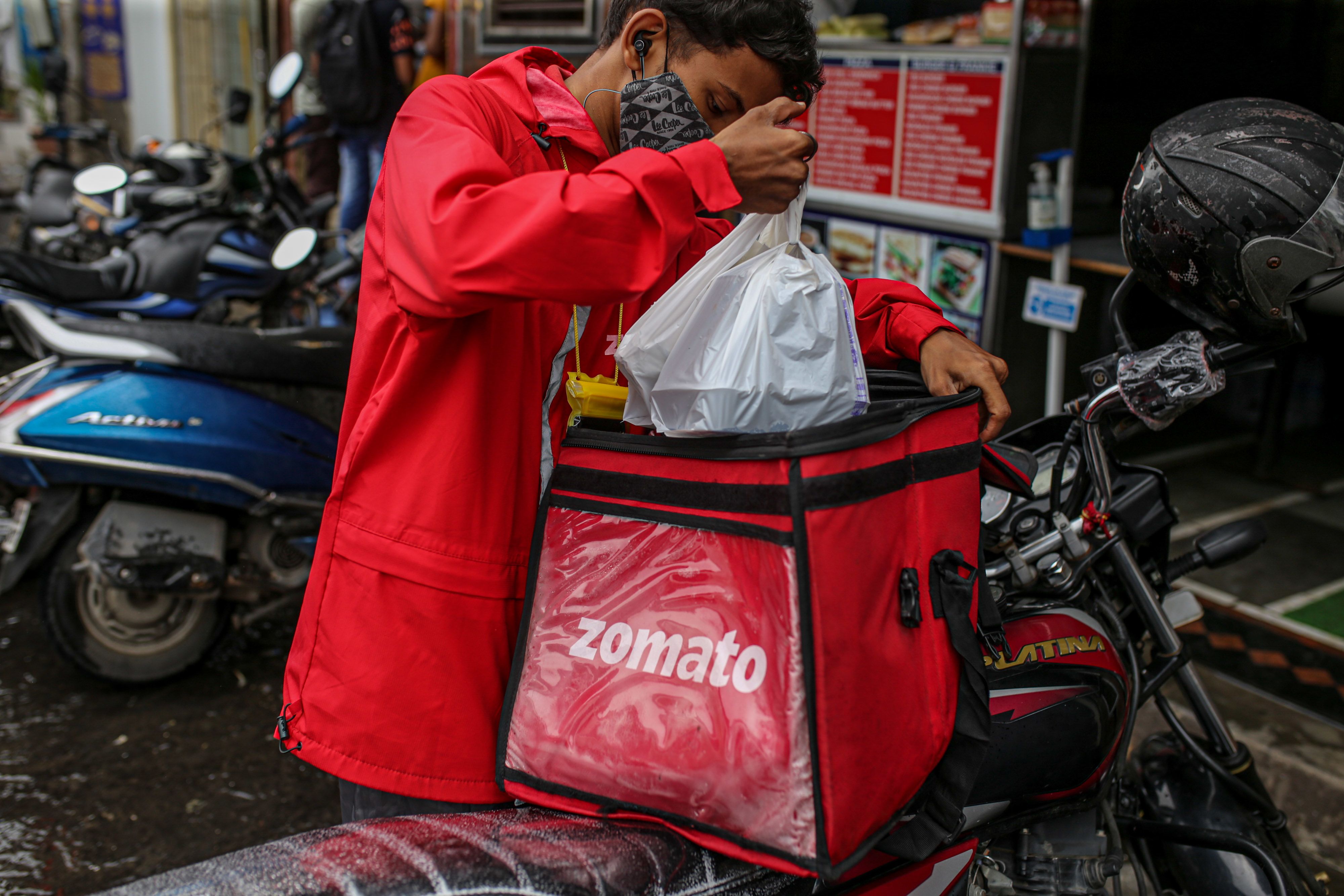
Zomato plans to invest $1 billion (about Rs 7,400 crore) over the next two years, with a large chunk of it to be earmarked for quick-commerce.
“Within all the businesses that we're looking at today, quick-commerce (delivery of products in less than 30 minutes) is clearly emerging as one of the most promising ones,” the online food ordering and delivery platform said while announcing its second quarter earnings.
The firm said it's seeing widespread adoption in the 10-minute delivery format in the online grocery segment, and will invest more in this segment in the near term.
Investment plans come even as the company's losses widened for the second straight quarter as it beefed up investments in its food delivery business
The firm made several investments to scale up its business in the quarter gone by. While it's in the process of divesting its stake in the sports discovery platform Fitso to CureFit for $50 million (Rs 371 crore), it's investing another $50 million in cash with CureFit for a 6.4% stake.
“This will help us potentially explore cross-selling benefits between Zomato and CureFit, as we see food and health becoming the same side of the coin in the long term,” the company said.
It's also acquiring 8% stake in business-to-business logistics tech firm Shiprocket for about $75 million (Rs 557 crore). The platform provides shipping and fulfillment services to over 60,000 brands and merchants across categories like apparel, electronics, beauty and personal care and grocery.
Zomato is buying 16% stake in Magicpin for $50 million (Rs 371 crore). Magicpin drives omni-channel growth for local retailers and has a network of 170,000+ paying merchants in categories, including fashion, food, electronics, grocery, pharma and entertainment across 50 cities in India.
Zomato said it has already committed $275 million (Rs 2,042 crore) across four companies over the past six months.

-
India Exports Capital. Why Not Export Trusteeship?

The big question, then, is whether India can build an institution that global borrowers, investors, banks, and lawyers can trust, even without an Indian connection.
-
France's Economy & Politics Are In Crisis | The Reason Why
Let's look at how the French economy and politics evolved under Nicolas Sarkozy, Franois Hollande and Emmanuel Macron.
-
You May Inherit The Business. You Must Earn Its Credibility.
Succession tests the founder's ability to share authority as much as it tests the next generation's readiness to assume it.
-
Signing Deals Is One Thing; Making Them Work Is Another | The Week In Whys
Sometimes, things don't turn out as planned. Indian companies have lost some bids to rivals, some projects won't produce until 2030.
-
FOMC Wall, PERM Suspension, Hospital Stocks | Talking Points This Week
A PERM suspension would directly affect green-card sponsorship rather than H-1B visas, so the near-term earnings impact could remain relatively limited. The key question is whether this marks a new phase in US scrutiny of Indian IT.
-
Everything, Everywhere, All At Once: Dalal Street's Week To Forget | Joining The Dots
Visa curbs, a Starlink spat and cancer drug caps: what connects this week's shocks for Indian markets
-
India Is Going Abroad For Critical Minerals. But It May Take Years To Pay Off | The Reason Why
Although India's steps are in the right direction, they remain modest compared with India's growing dependence.
-
When Everyone Has AI, What Gives You An Edge?
India's young workforce is entering an uncertain world of work where powerful AI tools are becoming widely accessible. The advantage will belong to those who combine deep expertise with digital fluency, and the distinctly human capabilities that technology cannot manufacture.
-
Wrong Labels, High Pesticide Residues Holding Back Agri Exports | The Reason Why
India needs stronger domestic food-safety and labelling standards, with best practices becoming part of everyday business for farmers, traders and food companies.
-
India Is Easy To Enter, Harder To Attract | The Week In Whys
The question is no longer just whether India can attract companies and capital. It is how much value they create here, how deeply they invest, and whether India remains relatively attractive when they have plenty of other options.