Yes Bank Moratorium: Only A Third Of Depositors Withdrew Maximum Permitted Amount
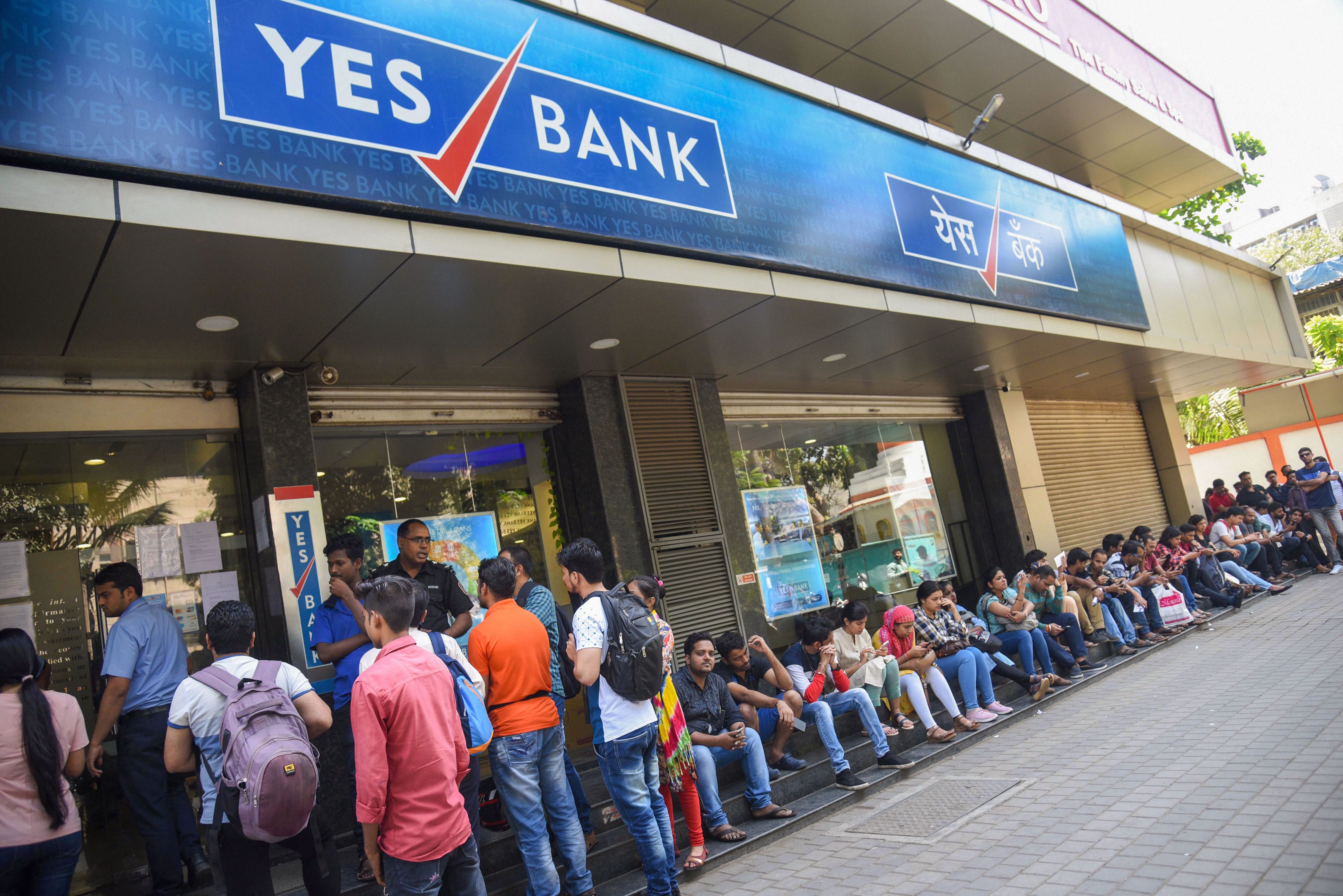
Yes Bank Ltd., which was placed under moratorium by the Reserve Bank of India on March 5, has seen only a third of its depositors withdraw the maximum permissible amount. That's according to Prashant Kumar, the designated chief executive officer for the private lender.
Under the moratorium, withdrawals from Yes Bank accounts were capped at Rs 50,000. Around 30 percent of the eligible depositors withdrew money up to the maximum limit, Kumar said.
The moratorium imposed on the bank is set to be lifted at 6 p.m. on Wednesday after a scheme of reconstruction was finalised. Under the scheme, State Bank of India will lead a consortium of lenders who will invest close to Rs 12,000 crore in the bank. This will allow the bank to meet the requirement for regulatory capital.
The Reserve Bank of India and, now, the bank's management are trying to reassure depositors to quell outflows. On Monday, RBI Governor Shaktikanta Das assured depositors that their money is safe, adding that they shouldn't rush to withdraw funds when the moratorium is lifted.
The newly appointed Yes Bank management, sitting alongside State Bank of India Chairman Rajnish Kumar, echoed that reassurance.
“We have ensured that our staff interacts with all depositors and assure them about the safety of their deposits,” Kumar told reporters in his maiden press briefing since he took over as administrator. “According to the ground reports we have received, the customers are appreciating the way Yes Bank had managed the moratorium and nobody has said that they will withdraw their deposits after the moratorium is lifted.”
Even so, Kumar said the bank is prepared and has enough liquidity to manage any outflows and it will not require any external support, he said. Yes Bank has ensured that all its ATMs and branches have adequate cash to take care of any transactions, once the moratorium is lifted.
BloombergQuint had earlier reported that RBI will provide Rs 8,000-9,000 crore worth liquidity support to Yes Bank, which the lender can access after pledging securities worth up to Rs 10,000 crore.
SBI Will Not Sell Yes Bank Shares For Three Years
Speaking about the equity infusion, Kumar said that Yes Bank has already received Rs 10,000 crore from eight investors, of which, about Rs 6,000 crore came from SBI alone. The other investors include ICICI Bank, Axis Bank, Kotak Mahindra Bank, Federal Bank, IDFC First Bank, Bandhan Bank and Housing Development Finance Corporation Ltd.
“The initial capital raise would help us meet all regulatory capital requirements. We will be doing a second round of fund raising where other investors are expected to participate. About 80 percent of the funds raised in the second round will be used as growth capital,” he said.
Rajnish Kumar said that while investors are allowed to sell a portion of their investment, the country's largest lender would not sell a single Yes Bank share during the three year lock-in period.
According to the reconstruction plan, SBI will have to maintain a minimum holding of 26 percent for three years. The other seven lenders and minority shareholders are required to keep 75 percent of their total investment under lock-in for three years as well.
Meanwhile, SBI has recommended Partha Pratim Sengupta and J Swaminathan as nominee directors on Yes Bank's board. Both Sengupta and Swaminathan are deputy managing directors at SBI.
No Forensic Audit
The SBI chairman assured that Yes Bank's latest financial results have fully disclosed bad loans and adequate provisions have been made.
There is nothing wrong with Yes Bank's books, he said when asked whether a forensic audit would be needed.
For the quarter ended Dec. 31, 2019, Yes Bank reported over Rs 40,000 crore in gross non-performing assets and saw its common equity tier-1 ratio drop to 0.6 percent from 8.7 percent in September. The bank reported its highest ever quarterly loss of over Rs 18,500 crore.
Since the bank was put under moratorium, investigative agencies have been questioning Yes Bank founder Rana Kapoor, who is currently in custody of the Enforcement Department.

-
We May Need Another Tukaram Mundhe To Fight Air Pollution | The Reason Why

Developers may install basic measures such as sprinklers and green nets, resume work, and continue violating rules when this equipment stops working.
-
Extracting Value From Battery Scrap Could Be Challenging For India | The Reason Why
A discarded lithium-ion battery still contains valuable materials such as lithium, nickel and cobalt. These can be recovered and reused. When such batteries are crushed and shredded, they produce a dark powder called black mass.
-
One El Nino, India Can Handle. Two Could Break The Granary
India's grain stocks can absorb one bad year, but a second El Nino could drain the buffer in two to three years, economists say.
-
India's Troika Of Good Luck | Joining The Dots
As Jensen Huang's exit drags Nvidia down, a cooling AI trade and resilient earnings have revived investor interest in India. A likely RBI rate hike looms.
-
Talking Points This Week: Leadership Shock At Nvidia, Earnings Strength, And The Fog Over Hormuz
The Anthropic IPO pricing and first trading day, Nvidia's upcoming earnings, and any fresh signals from Iran will set the tone for the following week.
-
Signature Play: The Classic Cocktail Is Dead. Or Is It?
Classic cocktails are disappearing from India's cocktail menus. But they're still being ordered, taught to bartenders and borrowed from. So, who's really having the last drink?
-
A New Samvat Wishlist: Inclusive Prosperity And Human Development
India has strengthened its economic foundations through infrastructure, digital access and enterprise. Its next growth chapter must deepen productivity, create better livelihoods and widen participation in prosperity.
-
Love, Sex Aur Dhokha: The Audacious Plot To Spy On Jensen Huang
A Taipei dinner, a Singapore chip buyer and a suspected Chinese asset: inside the alleged spy operation that got close to NVIDIA's Jensen Huang.
-
Ten Things I Learnt This Samvat
Patience can be a trap. Cheap stocks can stay cheap. Leverage can wipe you out. What did Samvat 2082 teach us? Niraj Shah writes on 10 lessons from the year gone by.
-
Talking Points This Week: Tech Nerves, FII Buying, And A Faraway Banking Shock
The global markets are not shining this Diwali. The exception in the large markets is, India.









