Yes Bank Crisis: Petrol Pump Owners Struggle To Pay Oil Companies
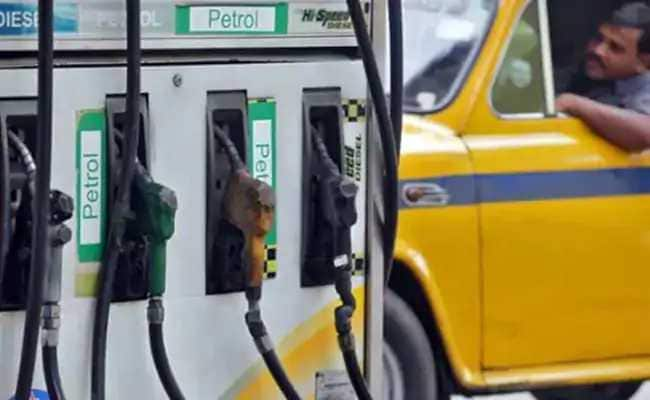
63-year old Kapil Sachdeva's life has come to a standstill ever since Yes Bank imposed a moratarium of Rs 50,000 on withdrawals due to the ongoing crisis. Sachdeva owns a petrol pump in Delhi's Ghazipur and is among at least 16 petrol pump owners in Delhi who were completely dependent on Yes Bank.
Petrol Pump owners who have accounts in Yes Bank are currently struggling to pay money to oil companies. They have current bank accounts and on a usual day, each petrol pump owner is required to make a payment of Rs 30-40 lakh to the oil company and this has become impossible now. Petrol pump owners tend to keep petrol stock for the next 4-5 days and thus pumps have not shut yet. But there is uncertainty about how long they will be able to sustain.
Mr Sachdeva who is also the Vice-President of Delhi Petrol Pump Dealers Association told NDTV, "In 2012, my outlet was torched during communal riots in Khoda colony and it took me around 5 years to get it back together because I took several loans. But it feels like the same situation now again. Things have become difficult and I am in a total fix as to what I should do. All my money was in Yes Bank."
52-year old Kajal Batra, wife of a Kargil martyr, owns a petrol pump in Burari. She says it was Yes Bank's BNA machines that drew her towards Yes Bank. In 2015, Yes Bank executives approached petrol pump owners and promoted their Bunch Note Acceptor or BNA machines which allowed the owners to deposit huge amount of cash in the machine right at the petrol pump and prevented the hassle of carrying so much cash to the Bank.
Ms Kajal Batra says, "Yes Bank offered BNA machines specifically to us. It used to be very scary to carry so much cash to bank branches due to repeated robbery incidents. We were told that if we deposit money in the bank, we will get this facility. The BNA machine was convenient so we took that option. But now, all our money in the bank is stuck."
25-year old Vaibhav Mittal who owns a petrol pump in Vikaspuri ran from pillar to post to open an account in a different bank post the Yes Bank crisis, but even that failed. Mr Vaibhav Mittal says, "I tried to open an account in 5-7 banks. All of them rejected saying that our cash deposits are high, so we will have to maintain a high balance in that account. But our money is already stuck in Yes Bank, so how will we maintain balance elsewhere."
Others like 44-year old Nishchal Singhania who owns a petrol pump in Dilshad Garden points out that they are struggling to even pay the salaries of employees. Mr Singhania says, "We have no idea how to pay the oil companies. For the last 2-3 days, we are breaking our savings account in other banks to somehow pay the oil companies. The staff salaries, we have to pay those too. Somehow we will pay those now, but what about next month. Our appeal to RBI is to please give some leeway to petrol pump owners so that we can continue to function."
Mr Singhania adds that many petrol pump owners were even sold Tier-1 bonds by Yes Bank employees even though those were meant to be sold only to big mutual fund companies. Now the value of all the money they invested in those bonds has become zero. "When we started the relationship with Yes Bank they promoted Tier-1 bonds as a savings bank account products, almost like an FD (Fixed Deposit). As a customer, we trusted them and took that on face value. My 75-year old mother invested huge amount of money in those bonds, but RBI has now said that all Tier-1 bonds will be nullified. Yes Bank employees never told us that these bonds were high-risk", says Mr Singhania.
Those impacted by the nullification of Tier-1 bonds include companies like Nippon Life India AMC, mutual fund house Franklin Templeton, UTI Mutual Fund, SBI Pension Fund Trust and Indiabulls Housing Finance among others.

-
Why Swapping Your Old Gold Can Trigger A Rs 5 Lakh Tax Bill, And How You Can Avoid It Legally

Swapping old gold for new is taxed as a sale and a fresh purchase. Getting your own gold remade can cut most of that bill, though it has its own costs.
-
The AI Trade is Done. The Real Opportunity for Investors Starts in 2027 | Unhedged Position
As pureplay AI stocks plunge and circular, capex-led financing unwinds, 2027 is set to be a year of reckoning for AI companies. Yet the bust clears the way for a better opportunity for investors in 2027 -- shifting the spotlight from AI builders to the companies using AI.
-
Leadership As Mission: Why The Age Of AI Demands More Human Leadership
Debjani Ghosh examines how AI is changing leadership, arguing that its success must be measured by its impact on people and the accountability of those guiding its use.
-
We May Need Another Tukaram Mundhe To Fight Air Pollution | The Reason Why
Developers may install basic measures such as sprinklers and green nets, resume work, and continue violating rules when this equipment stops working.
-
Extracting Value From Battery Scrap Could Be Challenging For India | The Reason Why
A discarded lithium-ion battery still contains valuable materials such as lithium, nickel and cobalt. These can be recovered and reused. When such batteries are crushed and shredded, they produce a dark powder called black mass.
-
One El Nino, India Can Handle. Two Could Break The Granary
India's grain stocks can absorb one bad year, but a second El Nino could drain the buffer in two to three years, economists say.
-
India's Troika Of Good Luck | Joining The Dots
As Jensen Huang's exit drags Nvidia down, a cooling AI trade and resilient earnings have revived investor interest in India. A likely RBI rate hike looms.
-
Talking Points This Week: Leadership Shock At Nvidia, Earnings Strength, And The Fog Over Hormuz
The Anthropic IPO pricing and first trading day, Nvidia's upcoming earnings, and any fresh signals from Iran will set the tone for the following week.
-
Signature Play: The Classic Cocktail Is Dead. Or Is It?
Classic cocktails are disappearing from India's cocktail menus. But they're still being ordered, taught to bartenders and borrowed from. So, who's really having the last drink?
-
A New Samvat Wishlist: Inclusive Prosperity And Human Development
India has strengthened its economic foundations through infrastructure, digital access and enterprise. Its next growth chapter must deepen productivity, create better livelihoods and widen participation in prosperity.









