Yellen Wanted Biden Relief Plan Cut by a Third, Biographer Says
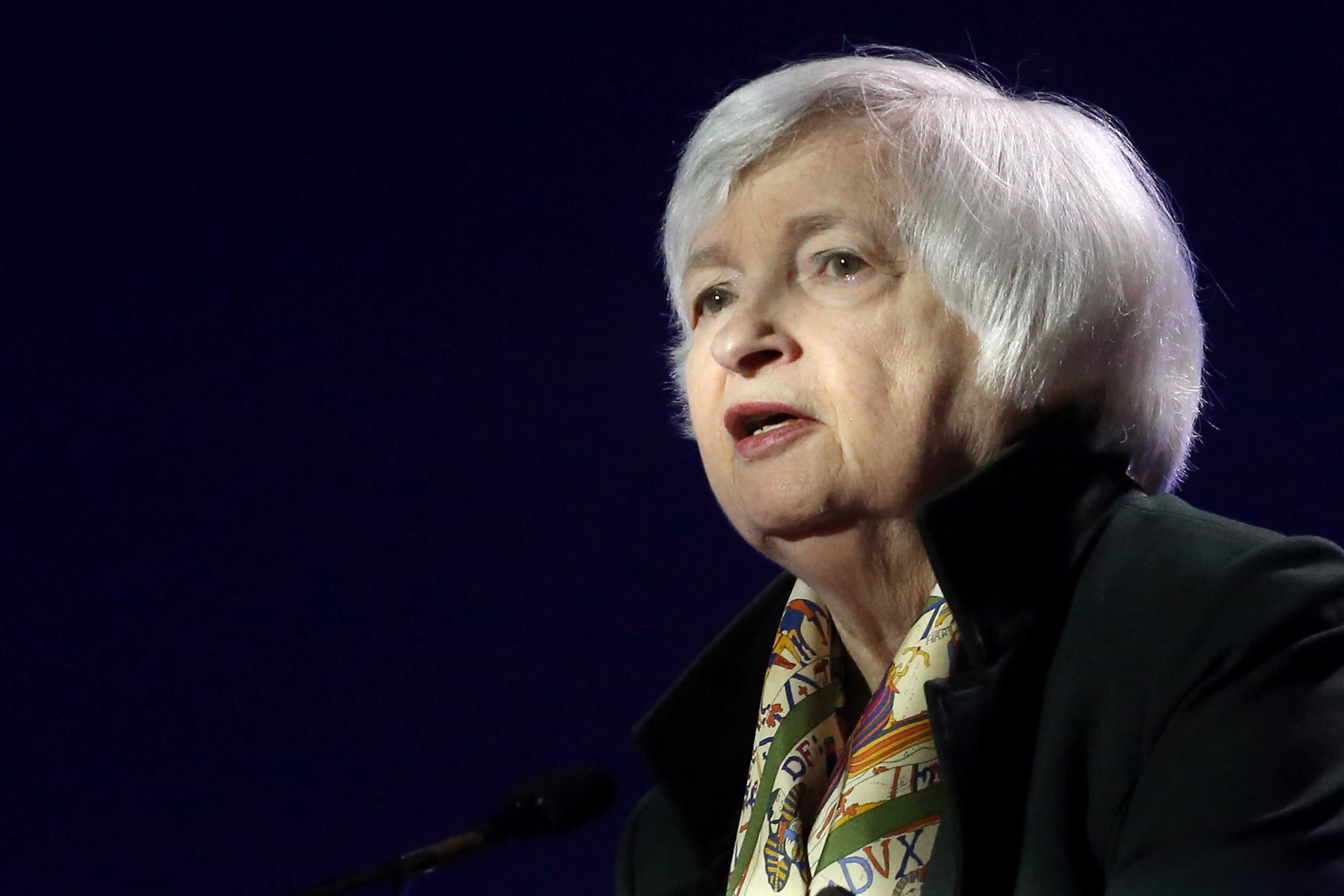
(Bloomberg) -- Janet Yellen, worried by the specter of inflation, initially urged Biden administration officials to scale back the $1.9 trillion American Rescue Plan by a third, according to an advance copy of a biography on the Treasury secretary.
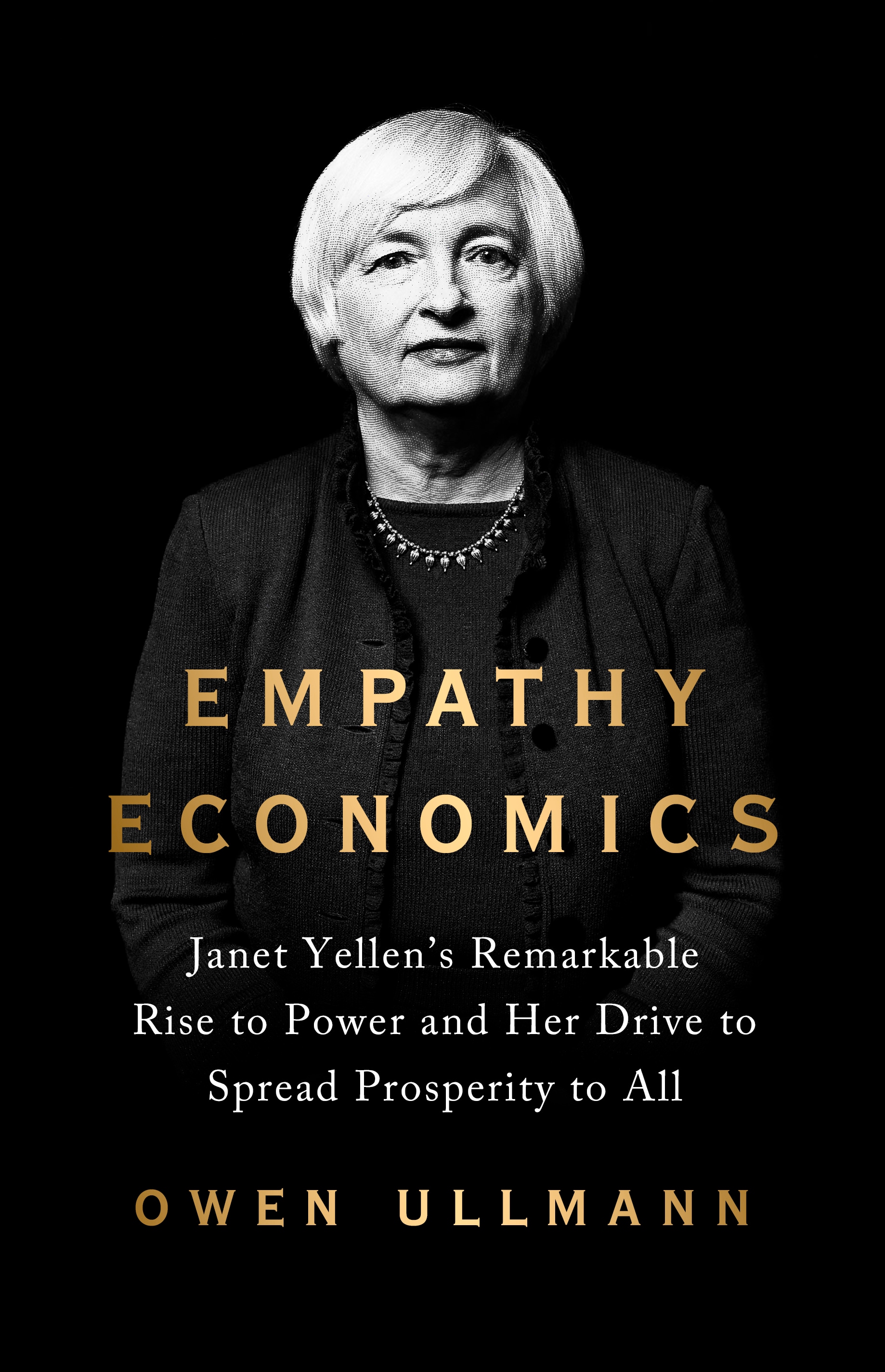
“Privately, Yellen agreed with Summers that too much government money was flowing into the economy too quickly,” writes Owen Ullmann, the book's author and a veteran Washington journalist, referring to former Treasury Secretary Lawrence Summers, who severely criticized the size of the aid plan. The book is due out on Sept. 27.
A Treasury spokesperson disputed the claims.
“The Secretary did not urge a smaller package and, as she has said, believes that without the American Rescue Plan, millions of people would have been economically scarred, and the country's historically fast recovery would have been far slower,” Treasury spokesperson Lily Adams said in response to the book's claims.
Ullmann's account sheds new light on a policy debate that preceded the eruption of inflation, which now poses a major political threat to President Joe Biden and his Democratic party's control of Congress.
Fears of overheating have since proved justified as price increases this year hit a 40-year high and severely damaged Biden's standing among voters. Democrats have blamed the cost surge on supply-chain bottlenecks caused by the pandemic and on energy price surges following Russia's invasion of Ukraine. They've also pointed a finger at moves by companies in some sectors to pad their profits. But most economists cite outsize demand -- fueled in part by Biden's spending plan -- as having been a significant factor.
Yellen's concern about inflation “is why she had sought without success to scale back the $1.9 trillion relief plan by a third early in 2021 before Congress passed the enormous program,” wrote Ullmann, who had “unfiltered access” to Yellen as he researched the book, according to publisher PublicAffairs.
Ullmann wrote, “She worried that so much money in the pockets of consumers and businesses would drive up prices at a time when the pandemic had caused severe shortages of goods that were in unprecedentedly high demand.”
The ARP was passed in March 2021 after Congress had already approved two giant pandemic aid packages totaling almost $3 trillion, enacted during the previous Trump administration.
It's unclear from the book how staunchly Yellen lobbied to cut back the size of the third wave of aid or whom she engaged with in the administration. And Ullmann goes on to emphasize that Yellen threw her full weight behind the bill as it moved ahead in its larger size.
The Treasury chief endorsed the package before US lawmakers, telling them that historically low interest costs on federal debt had given the government space for fiscal expansion. She has continued to defend the ARP even as high inflation proved persistent. In an April 28 speech, she said it had helped drive unemployment to 3.6%, practically a 50-year low, and had prevented the pandemic from causing a much higher degree of suffering for Americans.
Still, Yellen “would have preferred something closer to $1.3 trillion, according to colleagues,” Ullmann wrote. “But given the choice between Biden's full $1.9 trillion package and less than $1 trillion that some in Congress preferred, Yellen believed going big was the better course.”
Yellen also felt that even if the bill pumped too much money into the economy, the subsequent spike in inflation would be “transitory,” a term she used through 2021.
In a June 1 television interview, Yellen admitted, “I was wrong about the path inflation would take.” Though she added that much of the miss was due to unanticipated shocks, including the emergence of new Covid-19 variants and the war in Ukraine.
According to Ullmann, Yellen was angered by Summers' attacks on the stimulus plan, even though she shared some of his worries.
“Yellen was irritated that he would cause his own party so much grief by arming Republicans and some Democrats -- such as Senator Joe Manchin of West Virginia, a conservative by Democratic standards -- with a justification for opposing subsequent spending proposals on Biden's agenda,” Ullmann wrote.
Manchin cited rising inflation, along with long-term debt concerns, when he later opposed Biden's 10-year $3.5 trillion economic development proposal known as Build Back Better.
Ullmann has covered economics and politics in Washington since 1983, with stints at Knight Ridder, BusinessWeek and USA Today.
More stories like this are available on bloomberg.com
©2022 Bloomberg L.P.

-
Talking Points This Week: Leadership Shock At Nvidia, Earnings Strength, And The Fog Over Hormuz

The Anthropic IPO pricing and first trading day, Nvidia's upcoming earnings, and any fresh signals from Iran will set the tone for the following week.
-
Signature Play: The Classic Cocktail Is Dead. Or Is It?
Classic cocktails are disappearing from India's cocktail menus. But they're still being ordered, taught to bartenders and borrowed from. So, who's really having the last drink?
-
A New Samvat Wishlist: Inclusive Prosperity And Human Development
India has strengthened its economic foundations through infrastructure, digital access and enterprise. Its next growth chapter must deepen productivity, create better livelihoods and widen participation in prosperity.
-
Love, Sex Aur Dhokha: The Audacious Plot To Spy On Jensen Huang
A Taipei dinner, a Singapore chip buyer and a suspected Chinese asset: inside the alleged spy operation that got close to NVIDIA's Jensen Huang.
-
Ten Things I Learnt This Samvat
Patience can be a trap. Cheap stocks can stay cheap. Leverage can wipe you out. What did Samvat 2082 teach us? Niraj Shah writes on 10 lessons from the year gone by.
-
Talking Points This Week: Tech Nerves, FII Buying, And A Faraway Banking Shock
The global markets are not shining this Diwali. The exception in the large markets is, India.
-
Midterm Rally Lasted A Day. The Hard Reality Of A Divided US May Last Two Years | Opinion
Between a contested AI boom, a debt ceiling that arrives in 2027 and a president with every incentive to act alone, the next two years may prove more volatile than the first day's rally suggests.
-
Blue Wave Will Derail the AI Trade but Won't Dismantle the AI Era | Unhedged Position
The Democrats' sweep of the US Congress will see politics collide with economic forces both over the long and short term.
-
It's Time To Take The GST Council's Bet On Trust Global
Payment records can prove India's services exports, and clear, proportionate rules can bring foreign digital sellers into the tax net.
-
Opinion | India at 38: From Innovation Overperformer to Innovation Powerhouse
India now has 453 VC-backed deep science startups, 18 of them late-stage, after 117 percent growth since 2020. Laurus Labs, at USD 9.3 billion, is the most valuable deep science company in any middle-income economy outside China.









