Serum Institute Sees Vaccine Demand Doubling In Five Years
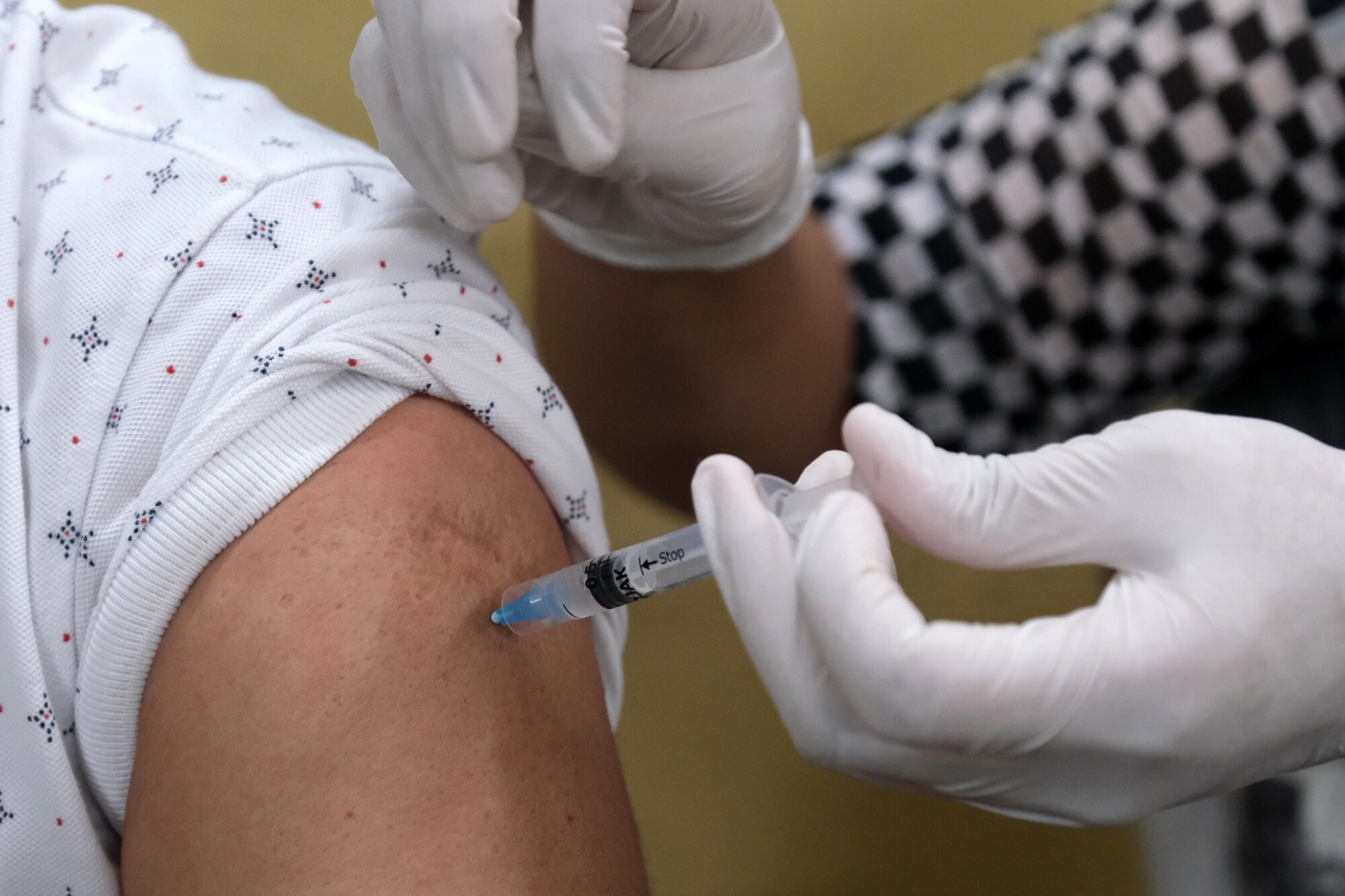
(Bloomberg) -- Serum Institute of India Pvt. is expanding its production capacity as it expects sales of life-saving vaccines, including those for malaria and cervical cancer, to double in the next five years.
The world's largest vaccine maker currently has the capacity to produce 3 billion doses of all types of vaccines each year, but only sells about 1.5 billion doses annually. The Pune-based firm is forecasting that will change.
“As countries increase their health-care budgets, you're going to see a huge uptake of vaccines that can prevent a lot of diseases,” Serum's Chief Executive Officer Adar Poonawalla said in an interview with Bloomberg TV for an upcoming episode of Latitude with Haslinda Amin. “Vaccines have been proven to be the most efficient tool for prevention.”
He is particularly bullish about the outlook for the company's new vaccines for malaria and cervical cancer. It has the capacity to produce 100 million doses of each, he said.
Demand for the malaria vaccine is slowly picking up as countries in Africa plan and prepare for its arrival. Serum shipped the first batch of the vaccine, dubbed ‘R21/Matrix-M,' to Africa in May. It's the second malaria shot authorized for children in the world, according to a company statement.
It will take about two years for the demand to meet the supply, he said.
Meanwhile, there's a global shortage of vaccines against human papilloma virus, which can cause cervical cancer. Only a few manufacturers can produce the HPV shots because it's “very complicated and difficult to make,” the 43-year-old billionaire said.
While Serum will supply millions of doses of the HPV vaccines, called Cervavac, at a discounted rate to the Indian government as part of the universal immunization program, Poonawalla is also looking to sell it overseas.

Dengue Strains
Serum is also working on shots to combat four strains of the dengue virus as well as the flu viruses that can trigger outbreaks in some geographies.
“It is something we need to be wary about because there are already 14 different flu strains,” Poonawalla said. “Although I don't see a global pandemic likely in the near future, the pandemic flu can create a lot of destruction and hospitalizations in certain areas.”
Serum, in April, signed a licensing pact with the University of Oxford to produce and deliver “a chimeric protein-based vaccine” against Meningitis-B, an infection that affects the brain and spinal cord.
The maker of the AstraZeneca Plc's Covid-19 vaccine in India faced significant challenges at the height of the pandemic when countries were clamoring for more Covishield supplies — from a fire at its production facility to a local ban on exports and shortages of key raw materials from the US — but Poonawalla does not want to apportion blame for the outbreak.
“If we're more transparent and open with exchanging information with one another, I think you can get ahead of the curve,” he said. “You can save a lot of lives.”
‘100-Day Mission'
In January, the vaccine maker joined the Coalition for Epidemic Preparedness Innovations, a global organization consisting of governments, non-profits, vaccine manufacturers and health experts.
Created in 2017 after the Ebola virus outbreak, the Oslo-based group works to improve vaccine development and response to epidemic threats.
“With CEPI, we are building up stockpiles and we are working on a 100-day mission, where you can go from a vaccine candidate to production to shipping within 100 days,” he said.
--With assistance from Haslinda Amin.
More stories like this are available on bloomberg.com
©2024 Bloomberg L.P.

-
Indians Are Travelling, But Not Every Journey Is A Holiday | The Week In Whys

Pilgrims, patients and working women are the real travellers, and the system hasn't quite caught up with them.
-
Getting To Work Costs Women More | The Reason Why
It is not just about women paying more than men. It is about women paying much more in cities than in villages.
-
AI Bias In Investing Cannot Be Eliminated, But It Can Be Governed
Framing is a particularly important example as identical financial information presented in terms of gains rather than losses can lead an LLM to reach a different assessment.
-
Joining The Dots | Dark Skies, Steady Diya: Why Hope Holds This Diwali
With war, a weak rupee and foreign outflows weighing on sentiment, policymakers at the NDTV World Summit and market veterans at NDTV Profit Ignite: Diwali Edition offered the same advice: stay invested and filter out the noise.
-
The Curious Case of Equitas Small Finance Bank And A CEO Who Quit For Stock
PN Vasudevan believes persistent investor concerns over a perceived conflict of interest had become a governance overhang on Equitas Small Finance Bank's stock, even as the lender improved profitability and asset quality.
-
Talking Points This Week: AI Cash Burn, A Tiger Comeback And An India That Still Finds Its Own Path
India is not immune to higher oil or tighter global liquidity, yet its earnings base is broader, its domestic policy levers are still available.
-
Foreign Investors Own Half Of HDFC Bank and ICICI Bank. An LTCG Cut Could Matter Most Here
Foreign portfolio investors have US$115 billion parked in HDFC Bank, ICICI Bank. If the government cuts long-term capital gains tax, Jefferies says returning foreign money could land here first.
-
'Never Seen This Level Of Negativity': Sandeep Tandon Says The Next Rally May Be Closer Than You Think
Veteran investor Sandeep Tandon says foreign selling is easing, large-caps are due a comeback and mid-caps are crowded, while he turns positive on gold, power and pharma this Diwali.
-
Indians Stay With Family, Not In Hotels | The Reason Why
India still lacks enough clean, reliable and affordable hotels for budget-conscious travellers.
-
The Economic Imperative: Analysing The Material Driving Force Behind India-Canada Strategic Reset
This economic complementarity is further reinforced by deep institutional investment ties and talent mobility, which form the bedrock of the bilateral framework.










