Windfall Tax On ONGC In Offing To Soften Petrol, Diesel Prices
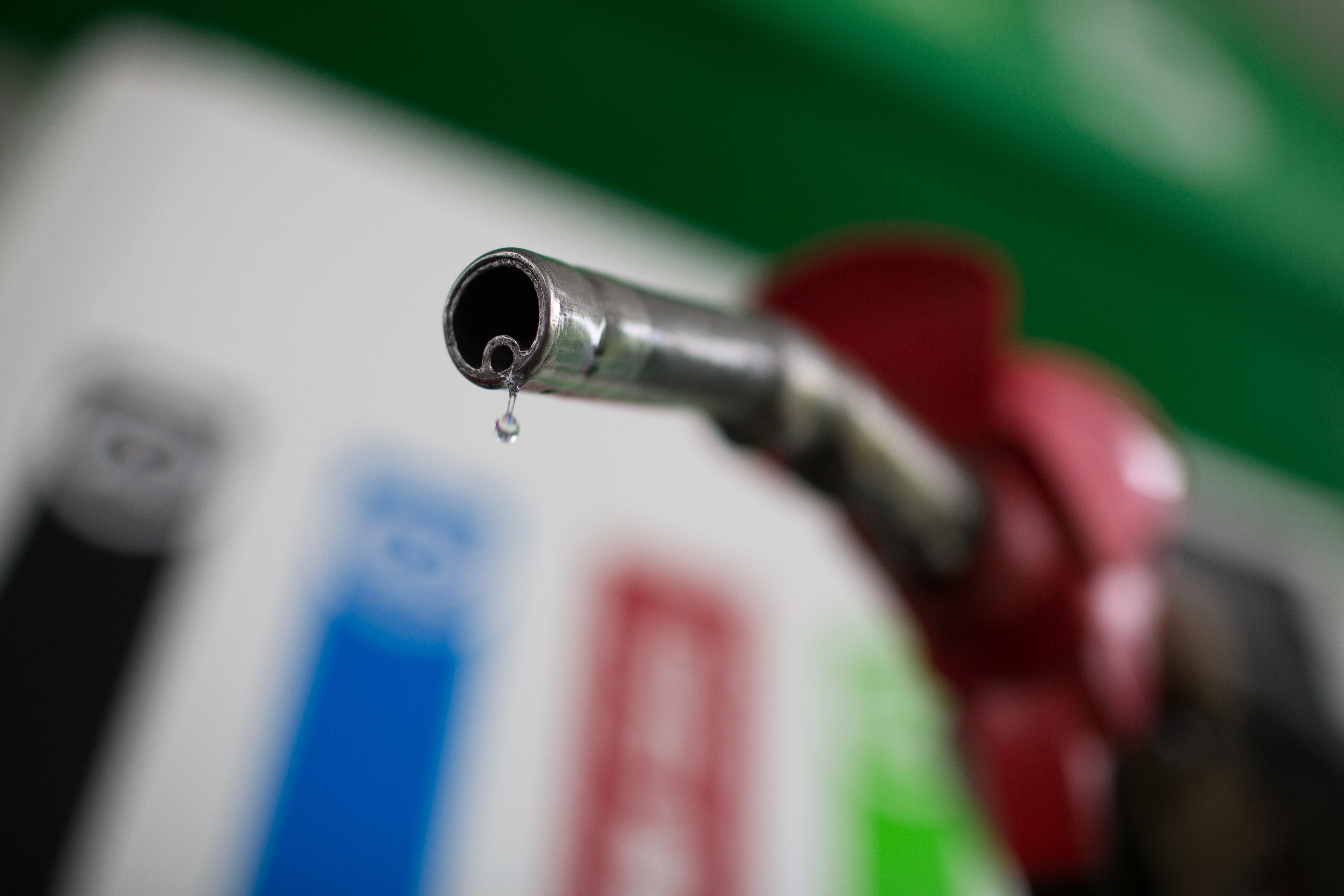
The government may levy a windfall tax on oil producers like Oil and Natural Gas Corporation Ltd. as part of a permanent solution it is working on for moderating the spiralling retail prices of petrol and diesel.
The tax, which may come in the form of a cess, will kick in the moment oil prices cross $70 per barrel, sources privy to the development said.
Under the scheme, oil producers like ONGC, who get paid international rates for the fuel they produce from domestic fields, would have to part with any revenue they earn from prices crossing the $70-threshold.
The revenue so collected would be used to pay fuel retailers such as Indian Oil Corporation Ltd., Hindustan Petroleum Corporation Ltd., and Bharat Petroleum Corporation Ltd. to help them absorb spikes beyond the threshold levels, they said.
This may be accompanied by a minor tinkering with excise duty rates to give immediate relief to consumers. States too would be asked to cut sales tax or Value Added Tax to show a visible impact on retail prices.

Globally, windfall tax, they said, is levied in some of the developed countries. The U.K. in 2011 raised the tax rate to be applied to North Sea oil and gas profits when the price is above $75 per barrel.
China on April 1, 2006, began levying the special upstream profit tax on domestic oil producers to redistribute and allocate the windfall income enjoyed by the oil companies and subsidise disadvantaged industry and social groups that are most affected by soaring crude oil prices. It, in 2012, raised the windfall tax threshold to $55 per barrel.
Sources said the windfall tax is one of the options being considered by the government as a permanent solution to dealing with the problem of spike in oil prices.
This follows reluctance on part of the finance ministry to cut excise duty as it has to ensure adequate funds are available to social welfare schemes in the election year. In particular, resources have to be arranged for the National Health Protection Scheme that aims to provide health insurance cover of Rs 5 lakh to every eligible household.
Yesterday, Law Minister Ravi Shankar Prasad had stated that the government will take a long-term view on the retail prices of petrol and diesel, which have touched record high, instead of having an ad hoc measure.
Petrol and diesel prices were raised for the eleventh day in succession today as the state-owned oil firms gradually passed on to the consumer the increased cost of international oil that had accumulated since a 19-day freeze was imposed just before Karnataka elections.
Since the time the hiatus ended on May 14, rates have gone up by Rs 2.84 a litre in case of petrol and Rs 2.60 in diesel. Petrol costs Rs 77.47 a litre in Delhi and diesel Rs 68.53. Sources said a $70 per barrel threshold for the windfall tax is sufficient to cover for capital expenditure requirement of ONGC and other oil producers.
Incidentally, ONGC and Oil India Ltd. had till June 2015 provided for up to 40 per cent of the annual fuel subsidy bill. This they did by way of providing discounts on crude sold to downstream refining and marketing companies, Indian Oil, BPCL, and HPCL. This discount helped the retailers make good a part of the losses they incurred on selling petrol and diesel below cost.
The government raised excise duty nine times between November 2014 and January 2016 to shore up finances as global oil prices fell, but then cut the tax just once in October last year by Rs 2 a litre.

-
We May Need Another Tukaram Mundhe To Fight Air Pollution | The Reason Why

Developers may install basic measures such as sprinklers and green nets, resume work, and continue violating rules when this equipment stops working.
-
Extracting Value From Battery Scrap Could Be Challenging For India | The Reason Why
A discarded lithium-ion battery still contains valuable materials such as lithium, nickel and cobalt. These can be recovered and reused. When such batteries are crushed and shredded, they produce a dark powder called black mass.
-
One El Nino, India Can Handle. Two Could Break The Granary
India's grain stocks can absorb one bad year, but a second El Nino could drain the buffer in two to three years, economists say.
-
India's Troika Of Good Luck | Joining The Dots
As Jensen Huang's exit drags Nvidia down, a cooling AI trade and resilient earnings have revived investor interest in India. A likely RBI rate hike looms.
-
Talking Points This Week: Leadership Shock At Nvidia, Earnings Strength, And The Fog Over Hormuz
The Anthropic IPO pricing and first trading day, Nvidia's upcoming earnings, and any fresh signals from Iran will set the tone for the following week.
-
Signature Play: The Classic Cocktail Is Dead. Or Is It?
Classic cocktails are disappearing from India's cocktail menus. But they're still being ordered, taught to bartenders and borrowed from. So, who's really having the last drink?
-
A New Samvat Wishlist: Inclusive Prosperity And Human Development
India has strengthened its economic foundations through infrastructure, digital access and enterprise. Its next growth chapter must deepen productivity, create better livelihoods and widen participation in prosperity.
-
Love, Sex Aur Dhokha: The Audacious Plot To Spy On Jensen Huang
A Taipei dinner, a Singapore chip buyer and a suspected Chinese asset: inside the alleged spy operation that got close to NVIDIA's Jensen Huang.
-
Ten Things I Learnt This Samvat
Patience can be a trap. Cheap stocks can stay cheap. Leverage can wipe you out. What did Samvat 2082 teach us? Niraj Shah writes on 10 lessons from the year gone by.
-
Talking Points This Week: Tech Nerves, FII Buying, And A Faraway Banking Shock
The global markets are not shining this Diwali. The exception in the large markets is, India.









