Why This Tablighi From Djibouti Still Loves India
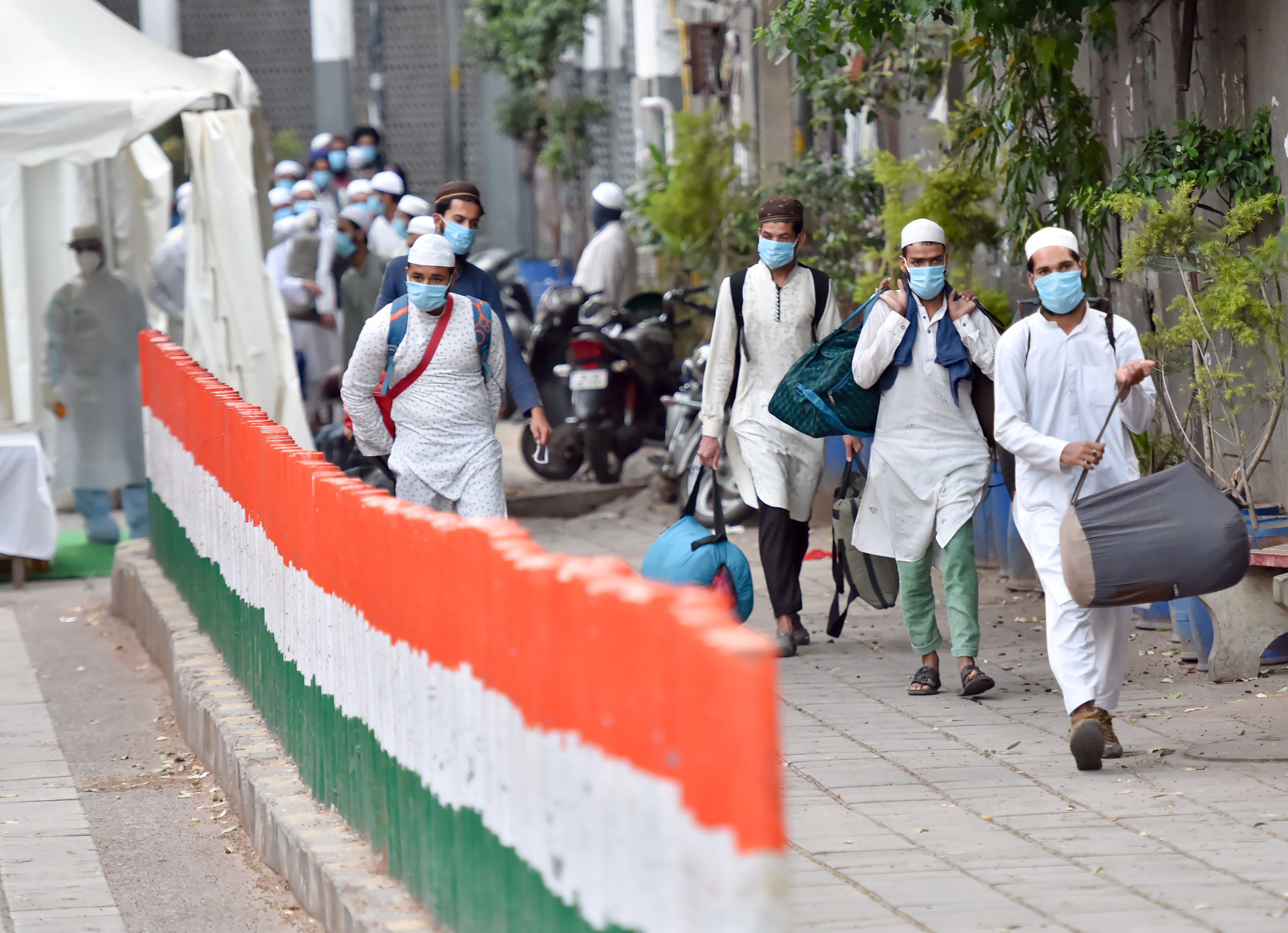
Guled Abdi Ilahi will never forget his first trip to India. Friends had told the 31-year-old Djibouti national that the country welcomed visitors and had among the best teachers of the Quran and Hadith. Though his first language is French, Abdi Ilahi could speak Arabic and over the years, he had taught himself English. He landed in New Delhi on Jan. 31 for what was meant to be a study tour and hailed a taxi to Nizamuddin, the headquarters of the Tablighi Jamaat – a back-to-roots Islamic movement that stays away from politics.

Two days before the government claimed officially on April 1—with little evidence—that a gathering of the Tablighi Jamaat in early March at Nizamuddin was a major reason Covid-19 cases had spiked across the country, Abdi Ilahi was arrested in Ahmednagar, 250 kilometres east of Mumbai.
He spent the holy month of Ramadan and Eid-Ul-Fitr in Parner Jail, in a cramped 6-foot x 6-foot cell.
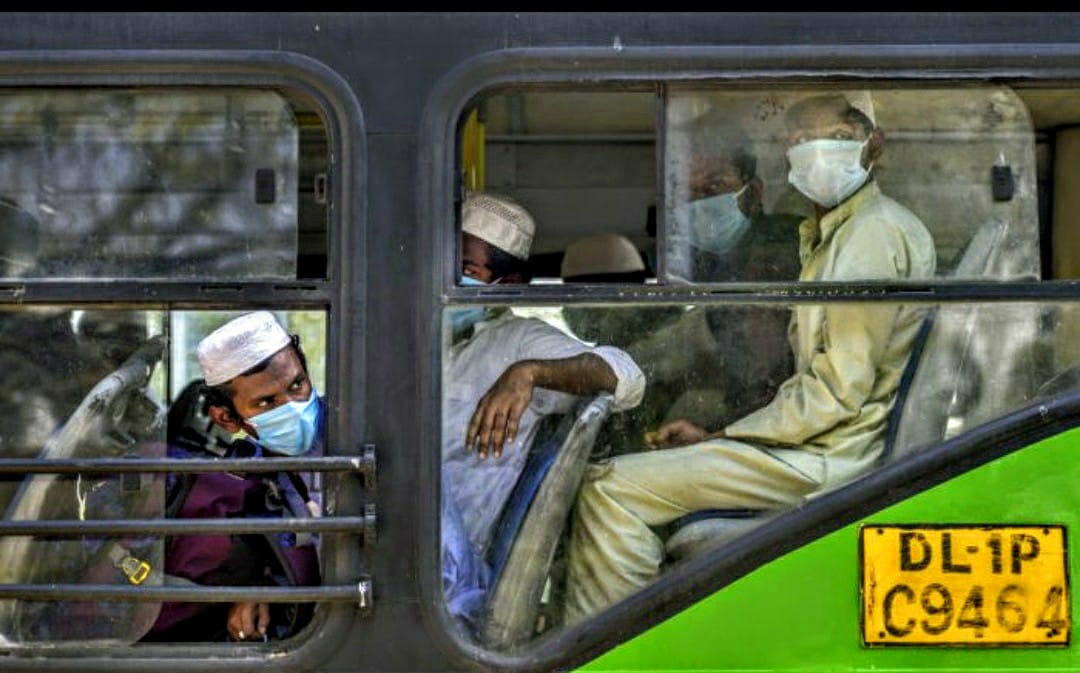
Islamophobic fake news skyrocketed, Muslims were attacked and beaten and Muslim businesses boycotted. When Indians trended hashtags such as #CoronaJihad (potentially seen by 165 million people, according to one estimate) and #TablighiVirus on Twitter, they were talking about unsuspecting visitors like Abdi Ilahi.
Last week, a Bombay High Court exonerated him and 34 other petitioners, slamming the media propaganda that resulted in their “persecution”. The judgment said these foreign nationals who had visited the Nizamuddin headquarters were “scapegoats” for a “political government”. It was the third high court to acquit Jamaatis who had been arrested earlier this year. Four months on, the diplomatic fallout of the government's move shows no sign of abating.
The foreign nationals were kept in two adjacent jail cells for up to 60 days. They shared this space with local petty criminals who did shorter terms during this time. “We are not criminals but we were treated like criminals,” Abdi Ilahi told me over the phone from Newasa, 60 kilometres north of Ahmednagar, a day after the verdict. “I had never been near a jail in my entire life before this.”
“The room was very small. You couldn't sleep correctly, you couldn't eat correctly. You had to shower and go to the toilet in front of everyone. Most nights, I did not sleep. Sometimes I slept sitting,” he said.
His cramped cell held up to 25 people on some days, he said.
Abdi Ilahi says the thoughts wouldn't stop. “You don't know what will happen. You ask yourself a lot of questions, ‘What did I do wrong? I did nothing'.”
He missed his family back home, especially his five-year-old son Imran, who never went to bed without joking with his father.
Before he came to India, Abdi Ilahi, who repairs computers for a living, had mostly traveled to East African countries around Djibouti. To come to India, a place where the default pronunciation of his home country is ‘Dee-Jibuti', he had to catch a train to Ethiopia, then board a flight to Dubai, from where he flew to Delhi. He tested negative for Covid-19 in all four countries that he travelled through. When he was arrested from a mosque, where he was living with nine other international visitors, he was the only one to test positive. “I don't know when I became positive,” he said. “I was drinking hot water all the time.”
For the first five weeks, he stayed in Delhi where his days began at 4 am, to prepare for the first namaz fajr. Most of his time was spent praying and studying, living at a handful of mosques across the city. He never explored the city. At the end of February, he returned to Nizamuddin, before catching the train to Ahmednagar on March 7. He was arrested later that month and denied bail three times before a sessions court finally relented.
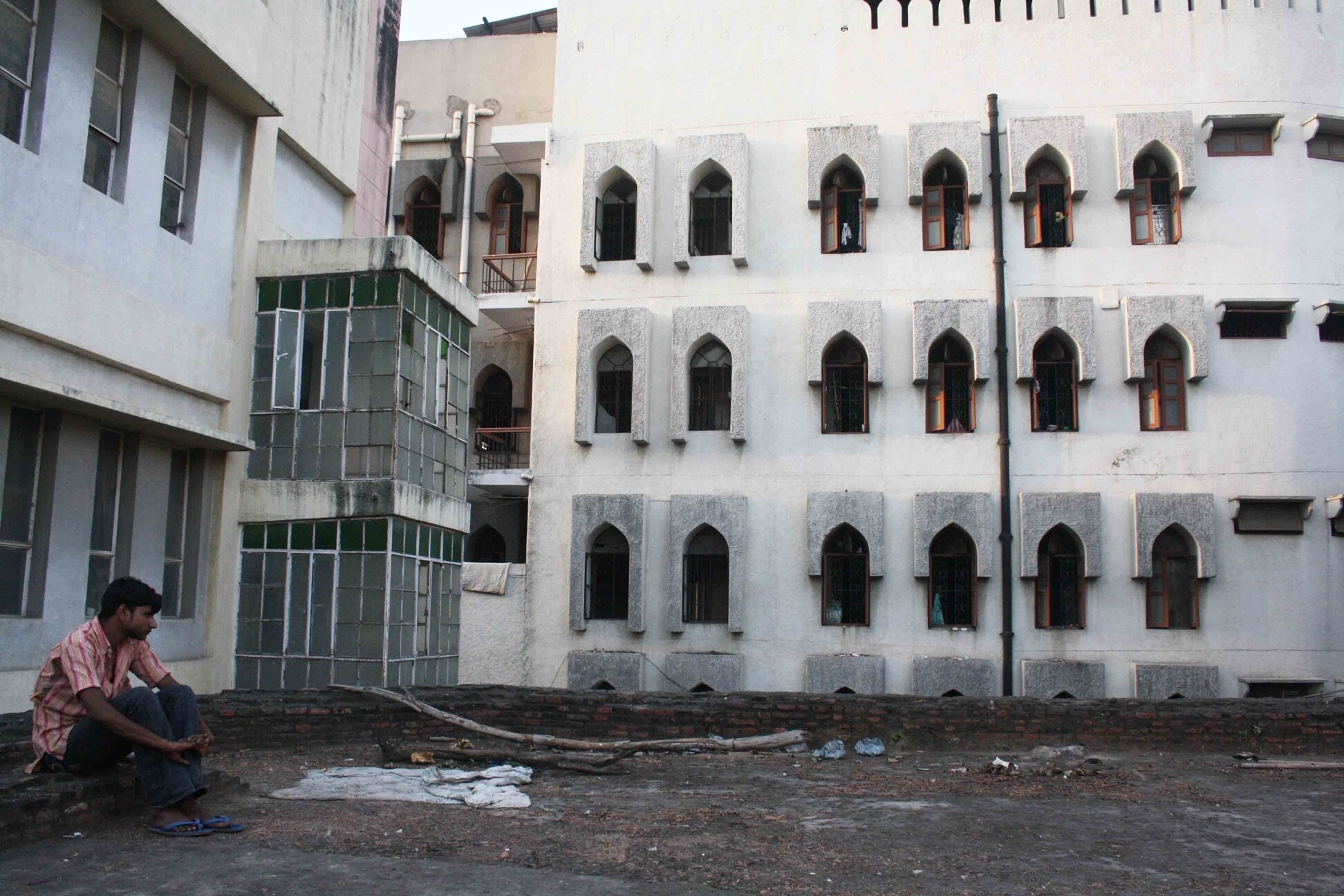
After this ordeal, it wouldn't be surprising if Abdi Ilahi felt only anger and loathing for this country. Some of the other international visitors who were arrested likely feel that way, but not Abdi Ilahi.
He also encountered another India, one that many believe has been lost in recent years.
At the mosques where he stayed, nobody would take any money from him. When he was arrested in Newasa, a group of locals approached Zafar Pathan, an advocate, and said you must defend the Jamaatis. Pathan says he fought pro bono for these visitors, arguing in courts that this is not how India traditionally treats visitors.
Atithi Devo Bhava (guest is god), Justice TV Nalawade reminded India in his judgment.
In prison, the Hindu jailor, who knew they were fasting, ensured their dietary needs were taken care of. “He gave me khajoor (dates) and water and fruit that I needed to eat after 6 pm,” says Abdi Ilahi. “He respected me.”
On Eid, the jailor distributed sweets to all the prisoners. “He was a good man. He would speak to us, say you are not alone, everything will be good.”
In Newasa after they were released, a Pune-based businessman offered them his spacious house to stay. The local community is taking turns to provide meals until these pilgrims can head back home to their respective countries.
Abdi Ilahi says there's another thing that Indians care more about than religion. “Muslim or no Muslim, the first question they ask you is, ‘You had food?', ‘Did you take your breakfast?'” he says. “I've seen a lot of countries but it's not the same elsewhere.”
More Indians need to amplify this version of their country.
Priya Ramani is a Bengaluru-based journalist and is on the editorial board of Article-14.com.
The views expressed here are those of the author and do not necessarily represent the views of BloombergQuint or its editorial team.

-
Indians Are Travelling, But Not Every Journey Is A Holiday | The Week In Whys

Pilgrims, patients and working women are the real travellers, and the system hasn't quite caught up with them.
-
Getting To Work Costs Women More | The Reason Why
It is not just about women paying more than men. It is about women paying much more in cities than in villages.
-
AI Bias In Investing Cannot Be Eliminated, But It Can Be Governed
Framing is a particularly important example as identical financial information presented in terms of gains rather than losses can lead an LLM to reach a different assessment.
-
Joining The Dots | Dark Skies, Steady Diya: Why Hope Holds This Diwali
With war, a weak rupee and foreign outflows weighing on sentiment, policymakers at the NDTV World Summit and market veterans at NDTV Profit Ignite: Diwali Edition offered the same advice: stay invested and filter out the noise.
-
The Curious Case of Equitas Small Finance Bank And A CEO Who Quit For Stock
PN Vasudevan believes persistent investor concerns over a perceived conflict of interest had become a governance overhang on Equitas Small Finance Bank's stock, even as the lender improved profitability and asset quality.
-
Talking Points This Week: AI Cash Burn, A Tiger Comeback And An India That Still Finds Its Own Path
India is not immune to higher oil or tighter global liquidity, yet its earnings base is broader, its domestic policy levers are still available.
-
Foreign Investors Own Half Of HDFC Bank and ICICI Bank. An LTCG Cut Could Matter Most Here
Foreign portfolio investors have US$115 billion parked in HDFC Bank, ICICI Bank. If the government cuts long-term capital gains tax, Jefferies says returning foreign money could land here first.
-
'Never Seen This Level Of Negativity': Sandeep Tandon Says The Next Rally May Be Closer Than You Think
Veteran investor Sandeep Tandon says foreign selling is easing, large-caps are due a comeback and mid-caps are crowded, while he turns positive on gold, power and pharma this Diwali.
-
Indians Stay With Family, Not In Hotels | The Reason Why
India still lacks enough clean, reliable and affordable hotels for budget-conscious travellers.
-
The Economic Imperative: Analysing The Material Driving Force Behind India-Canada Strategic Reset
This economic complementarity is further reinforced by deep institutional investment ties and talent mobility, which form the bedrock of the bilateral framework.










