Oil Companies Turn To Spot Crude Amid Cuts By OPEC+, Covid
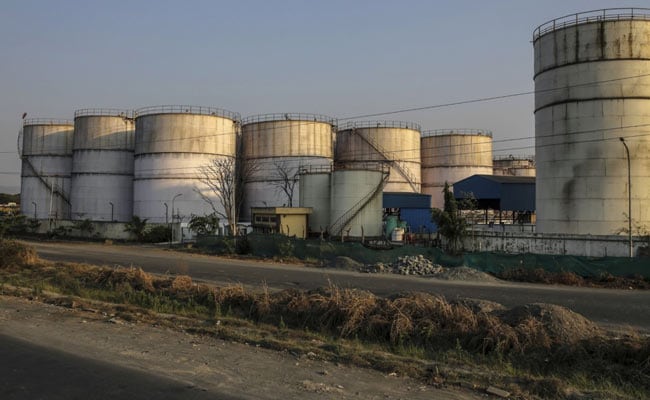
India's refiners are turning to spot oil from Africa and North America as long-term suppliers in the Middle East cut output and as demand for gasoline jumps amid the Covid-19 pandemic. Spot crude imports into the world's third-largest oil market will rise by 10 per cent to 15 per cent this year from 2020, according to industry consultant Facts Global Energy. The increased purchases are coming as India's top suppliers, including Saudi Arabia and Iraq, curtail output as part of the OPEC+ pact.
The shift underscores how other producers are benefiting from the cuts as consumption returns in markets like India. It's been especially good to exporters like the U.S. and Nigeria, whose crude produces more gasoline that's in high demand as the pandemic pushes people to private cars instead of public transport.
"The pullback from traditional term suppliers came when refiners maximized throughput to align with the robust domestic demand recovery," said Senthil Kumaran, FGE's head of South Asia oil. "They were forced to scramble for spot supplies to bridge the shortfall."

Bharat Petroleum Corporation, India's second biggest state-owned refiner, has increased the proportion of spot crude purchases to about 45 per cent from about 30 per cent normally, according to Finance Director N. Vijayagopal. The company plans to keep spot about 40 per cent of supply in at least the medium term.
"We are trying to increase the proportion of spot in the overall basket," Mr Vijayagopal said.
BPCL boosted refinery runs to 113 per cent in January, and the other major state-owned refiners, Indian Oil Corporation and Hindustan Petroleum Corporatoion are also operating above capacity, company officials said. While demand for gasoline and liquid petroleum gas for cooking has surged, diesel's rebound has been slower and jet fuel consumption is still half of what it was a year ago as most international routes remain shut.
That's leading to a shift in where India is sourcing its barrels. Middle East oil tends to yield more diesel, while crude from the North Sea, West Africa and U.S. shale fields usually produce more LPG and gasoline. Crude imports from Nigeria in December jumped 68 per cent from the previous year, while U.S. oil purchases surged almost 77 per cent, according to government data.
"Gasoline demand growth is expected to sustain, because once you are used to private commuting, it's difficult to shift back to public transport," Hindustan Petroleum Chairman Mukesh Kumar Surana said. "Refineries will explore all possibilities to increase gasoline production."
The Organization of Petroleum Export Countries and partners like Russia began a record output cut of 9.7 million barrels a day last year after the coronavirus pandemic battered demand. Some of that production has returned, but Saudi Arabia is making additional cuts in February and March to add stability to the market.
OPEC+ members are unlikely to change its production policy at their next meeting on March 4, and will probably agree to keep output steady in April, Iraq's Oil Minister Ihsan Abdul Jabbar said. And as long as people in India want to travel in private cars and cook at home, the strong spot purchases should continue, according to FGE.
"They will continue to import lighter grades as long as the economics allow them to do so," Mr Kumaran said.
(Except for the headline, this story has not been edited by NDTV staff and is published from a syndicated feed.)

-
We May Need Another Tukaram Mundhe To Fight Air Pollution | The Reason Why

Developers may install basic measures such as sprinklers and green nets, resume work, and continue violating rules when this equipment stops working.
-
Extracting Value From Battery Scrap Could Be Challenging For India | The Reason Why
A discarded lithium-ion battery still contains valuable materials such as lithium, nickel and cobalt. These can be recovered and reused. When such batteries are crushed and shredded, they produce a dark powder called black mass.
-
One El Nino, India Can Handle. Two Could Break The Granary
India's grain stocks can absorb one bad year, but a second El Nino could drain the buffer in two to three years, economists say.
-
India's Troika Of Good Luck | Joining The Dots
As Jensen Huang's exit drags Nvidia down, a cooling AI trade and resilient earnings have revived investor interest in India. A likely RBI rate hike looms.
-
Talking Points This Week: Leadership Shock At Nvidia, Earnings Strength, And The Fog Over Hormuz
The Anthropic IPO pricing and first trading day, Nvidia's upcoming earnings, and any fresh signals from Iran will set the tone for the following week.
-
Signature Play: The Classic Cocktail Is Dead. Or Is It?
Classic cocktails are disappearing from India's cocktail menus. But they're still being ordered, taught to bartenders and borrowed from. So, who's really having the last drink?
-
A New Samvat Wishlist: Inclusive Prosperity And Human Development
India has strengthened its economic foundations through infrastructure, digital access and enterprise. Its next growth chapter must deepen productivity, create better livelihoods and widen participation in prosperity.
-
Love, Sex Aur Dhokha: The Audacious Plot To Spy On Jensen Huang
A Taipei dinner, a Singapore chip buyer and a suspected Chinese asset: inside the alleged spy operation that got close to NVIDIA's Jensen Huang.
-
Ten Things I Learnt This Samvat
Patience can be a trap. Cheap stocks can stay cheap. Leverage can wipe you out. What did Samvat 2082 teach us? Niraj Shah writes on 10 lessons from the year gone by.
-
Talking Points This Week: Tech Nerves, FII Buying, And A Faraway Banking Shock
The global markets are not shining this Diwali. The exception in the large markets is, India.









