Why India’s Packaged Food Market Will Jump To $200 Billion In A Decade

More working women and smaller families will drive consumption of packaged food in India. Particularly when hiring a household help is becoming costlier.
Credit Suisse calls these structural drivers for the long term. The immediate push is coming from improving cold storage due to better power supply, affordability and investments. As a result, the Zurich-based investment bank said, the market is expected to grow fivefold to $200 billion over the next decade.
The most profitable opportunities lie in baby food, chocolates, biscuits, baked products and juices, according to Credit Suisse. It also highlighted the increased focus on healthier snacks, and beverages — largely driven by consumption amid rising temperatures.
Taking a cue, fast-moving consumer goods companies like ITC Ltd., Nestlé India Ltd. and Britannia Industries Ltd. are increasingly catering to the changing consumer habits, introducing eco-friendly, healthy products at cheaper rates.
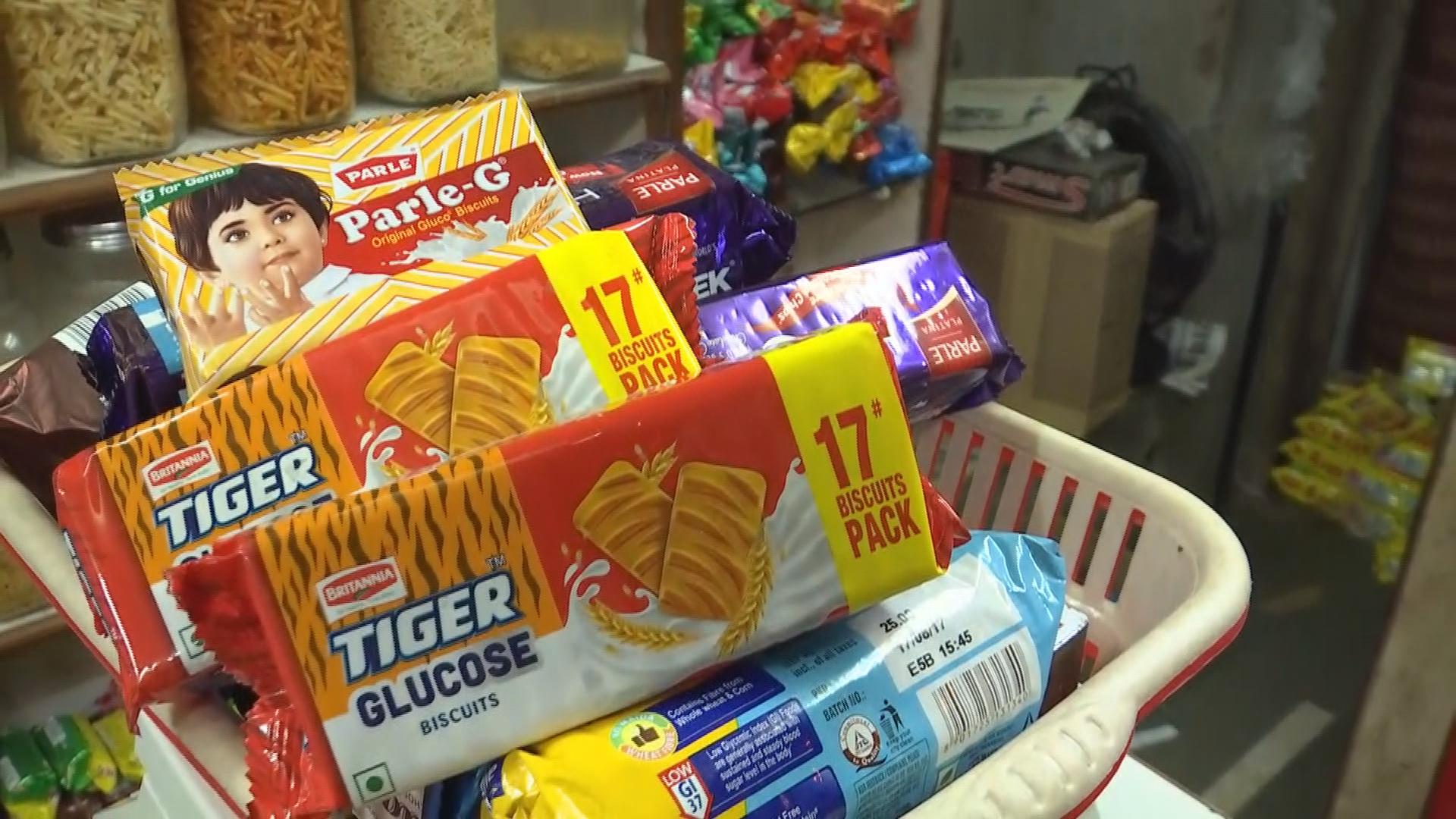
Britannia, the maker of Good Day biscuits, launched new products and expanded reach in the past five to 10 years. Nestlé India, after a change in management following the Maggi safety issue, too unveiled new products. ITC also has a sizeable foods business, having invested strongly in growing branded packaged wheat flour, cream biscuits and salted snacks.
While the scope for growth is high, lower shelf life, need for controlled ambient temperature in the supply chain, greater price sensitivity and taste are some of the challenges for the packaged food industry. Credit Suisse identified three key catalysts that could translate into sustained growth.
Availability: Better power supply has improved refrigeration at retail stores. Also, modern retail outlets can now be found in smaller cities and towns.
Affordability: Lower goods and services tax rates, lesser wastage in the packaging cycle and larger manufacturing efficiencies keep costs under check. Prices have increased at a lower rate than inflation.
Greater Investments: Incumbents are putting in efforts to grow their categories.


Credit Suisse sees a strong potential for both Nestlé India and Britannia. Nestlé has a better category mix and a diversified product portfolio, while Britannia is the market leader in biscuits, the investment bank said. Britannia can grow further by expanding its market share and diversifying its product range.
It also identified smaller players like Prataap Snacks Ltd. and Manpasand Beverages Ltd. as high-growth companies with a relatively low margin. For ITC, packaged food is still a small contributor to its earnings.
While Patanjali is another large player in packaged foods, Credit Suisse said it has seen a limited traction in biscuits, chocolates and juices. The company, it said, will derive growth from consumer transition to branded products.
Credit Suisse's Top Picks
Nestlé: Maintained ‘Outperform' with a price target of Rs 10,500 — an upside potential of 12 percent.
Britannia: Maintained ‘Outperform' with a target of Rs 5,850, implying an upside of 6 percent.
GSK Consumer: Maintained ‘Outperform' with a price target of Rs 7,100 — an upside of 16 percent.

-
Indians Stay With Family, Not In Hotels | The Reason Why

India still lacks enough clean, reliable and affordable hotels for budget-conscious travellers.
-
The Economic Imperative: Analysing The Material Driving Force Behind India-Canada Strategic Reset
This economic complementarity is further reinforced by deep institutional investment ties and talent mobility, which form the bedrock of the bilateral framework.
-
Medicine Pricing: Where Must Profit Stop?
India must confront excessive margins, hidden incentives and regulatory gaps that threaten the integrity of medicine.
-
Why Amazon And Flipkart Are Struggling To Beat Meesho In India's Smaller Cities
With 274 million users and lowest-cost logistics, Meesho is defending its value commerce crown against giants like Amazon and Flipkart.
-
High US Salaries, No Green Card Certainty: The Financial Calculation Facing Indian H-1B Families
The suspension of PERM processing at eight technology employers does not cancel existing H-1B visas. What it does is force a question many Indian families have been avoiding: is the US salary worth tying your career and family plans to one employer?
-
Swiggy vs Eternal: Food Delivery's Two Rivals Are No Longer In The Same Race
Eternal is building a private AI assistant, dark.ai. Swiggy is still working out how to make Instamart pay, with an operating loss of Rs 895 crore in the July-September quarter while Blinkit stayed profitable.
-
Where You Live Shapes How You Get To Work | The Reason Why
Two-wheelers are the most popular way to get to work in India, accounting for nearly 43% of workplace commutes.
-
Unhedged Position: Can India See An Indonesia-Style Time Correction?
The Nifty is trading below levels it first clocked in 2024. Is there, then, as I have suggested in the headline, potential that the current time correction drags on painfully for the next three-five, even ten years?
-
Navigating Friction And Energy Realities: An Analysis Of Marco Rubio's October Visit To India
Occurring at a critical juncture marked by stalled trade negotiations and escalating geopolitical pressures over global energy supplies, the visit offers a profound window into modern US-India relations.
-
India Exports Capital. Why Not Export Trusteeship?
The big question, then, is whether India can build an institution that global borrowers, investors, banks, and lawyers can trust, even without an Indian connection.










