Why Danone Shut Its Dairy Arm In World’s Largest Milk Consuming Nation
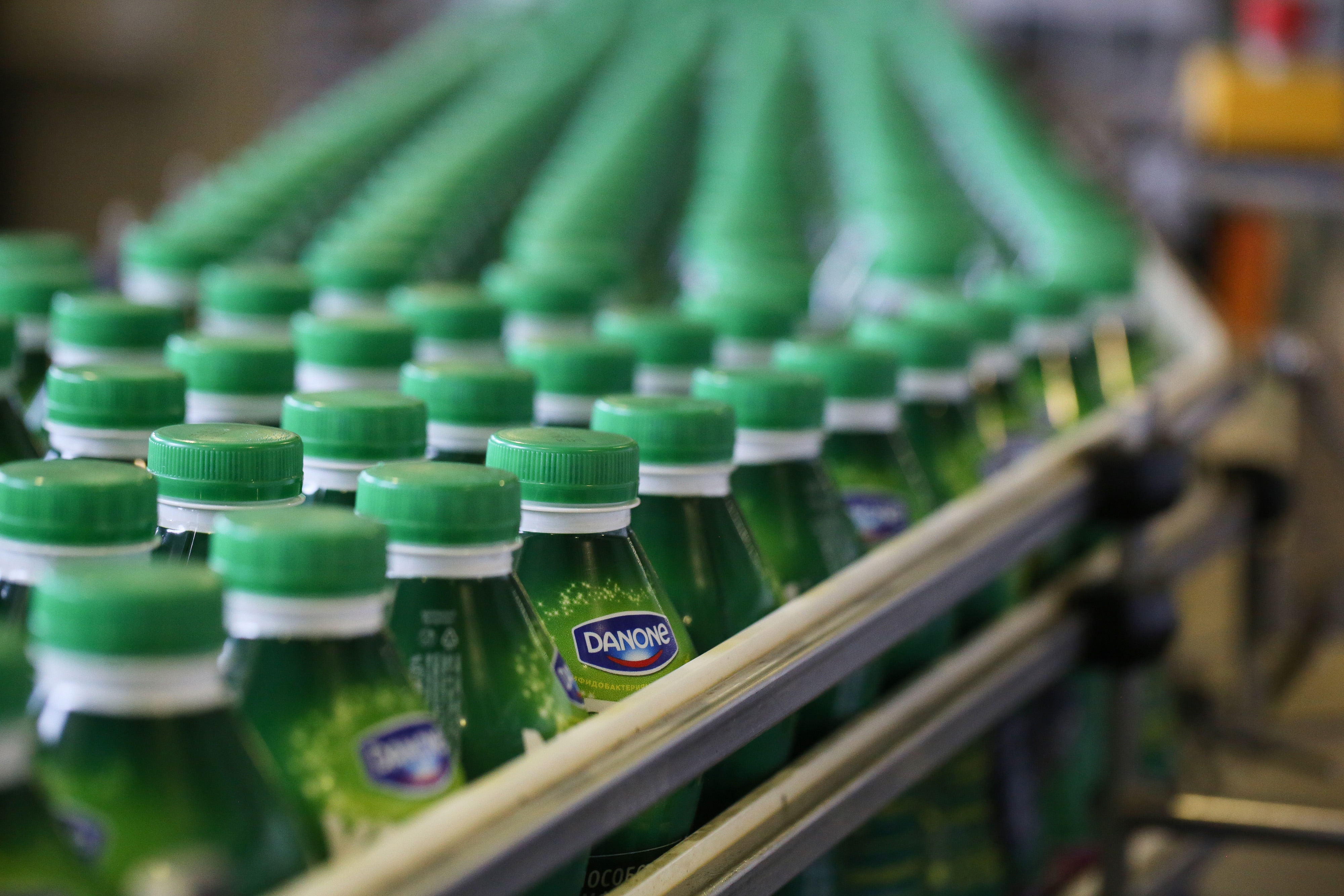
A country of milk lovers, abundant supply and a growing market—that's what India offered Danone but the French giant chose to shut its dairy operations.
The company failed to gain scale even seven years after it launched its flavoured yogurt, milk and curd in Asia's third-largest economy. It couldn't build a supply chain and a distribution network to take on entrenched rivals like Amul, Mother Dairy and Nestle India Ltd.
It's difficult to grab a foothold from highly penetrated domestic players, said Prashant Agarwal, joint managing director at retail consultant Wazir Advisors. “Also, developing the supply chain for sourcing milk is difficult. That's what Danone should have focused on.”
India's white revolution that began in the 1970s transformed the nation into world's largest milk producer, most of which is consumed locally. It produced 157 million tonnes in the year ended March 2016, much ahead of the second-placed U.S. Yet, India's per capita milk consumption at 97 liters a year, according to an Edelweiss Securities quoting data from IMARC Group, is about a third of the U.S., and below the global average.
Growing consumption, Edelweiss Securities said, is expected to take India's dairy industry from Rs 5.4 lakh crore by value in 2016 to Rs 9.4 lakh crore by 2020. Danone India chose to exit despite the scale of the opportunity.
Last week, the French giant said in a statement that it will discontinue milk and dairy products that made a “minority contribution to the overall business in India”. It's also shutting its factory at Rai near Delhi. The company will focus on its nutrition and baby food with brands like Protinex, Farex, Nusobee, Dexolac. A segment that contributed 80 percent to its revenue, PTI reported in January last year quoting Danone India Managing Director Rodrigo Lima. Globally, dairy contributes half its sales followed by nutrition and baby food at 30 percent.
Danone relied on third-party suppliers to for milk, which doesn't work for dairy companies, two senior executives from rival dairy product makers told BloombergQuint requesting anonymity.
Companies that have the infrastructure to procure directly from farmers enjoy a huge competitive edge as it assures a steady supply of quality milk, Edelweiss Securities said. Amul, the leader with 25-30 percent share in the organised milk market, has its own network of cooperatives that supply milk. Most other dairy companies source it directly from farmers.
Danone India didn't respond to BloombergQuint's emailed queries about its dairy operations and supply chain.
The company also directly sold to retailers instead of roping in distributors, the people quoted above said. That's expensive if a company doesn't gain substantial volumes, said the first executive quoted above. Distributors add points of sales and provide a larger reach.
The other issue that hurt Danone India seven years on is the freebies for retailers along with competitive margins, said the second person quoted above. Besides the 10-12 percent margin like its peers, Danone India offered free packs, the two said.
And the French dairy giant priced its products higher than most peers, targeting the premium end of the market. Its 150-gram curd pack costs Rs 25. That's higher than Amul's Rs 22, and Nestle India Ltd.'s and Mother Dairy's Rs 25 for 200 grams.
And then there is the management of the business itself. “Danone India is managed by a global team instead of a local one,” said Sunil Alagh, chairman of SKA Advisors. “It's easier for a local team to control the situation on the ground.”

-
Signature Play: The Classic Cocktail Is Dead. Or Is It?

Classic cocktails are disappearing from India's cocktail menus. But they're still being ordered, taught to bartenders and borrowed from. So, who's really having the last drink?
-
A New Samvat Wishlist: Inclusive Prosperity And Human Development
India has strengthened its economic foundations through infrastructure, digital access and enterprise. Its next growth chapter must deepen productivity, create better livelihoods and widen participation in prosperity.
-
Love, Sex Aur Dhokha: The Audacious Plot To Spy On Jensen Huang
A Taipei dinner, a Singapore chip buyer and a suspected Chinese asset: inside the alleged spy operation that got close to NVIDIA's Jensen Huang.
-
Ten Things I Learnt This Samvat
Patience can be a trap. Cheap stocks can stay cheap. Leverage can wipe you out. What did Samvat 2082 teach us? Niraj Shah writes on 10 lessons from the year gone by.
-
Talking Points This Week: Tech Nerves, FII Buying, And A Faraway Banking Shock
The global markets are not shining this Diwali. The exception in the large markets is, India.
-
Midterm Rally Lasted A Day. The Hard Reality Of A Divided US May Last Two Years | Opinion
Between a contested AI boom, a debt ceiling that arrives in 2027 and a president with every incentive to act alone, the next two years may prove more volatile than the first day's rally suggests.
-
Blue Wave Will Derail the AI Trade but Won't Dismantle the AI Era | Unhedged Position
The Democrats' sweep of the US Congress will see politics collide with economic forces both over the long and short term.
-
It's Time To Take The GST Council's Bet On Trust Global
Payment records can prove India's services exports, and clear, proportionate rules can bring foreign digital sellers into the tax net.
-
Opinion | India at 38: From Innovation Overperformer to Innovation Powerhouse
India now has 453 VC-backed deep science startups, 18 of them late-stage, after 117 percent growth since 2020. Laurus Labs, at USD 9.3 billion, is the most valuable deep science company in any middle-income economy outside China.









