Who Needs A Runway? SpiceJet Wants To Land In Sea, Fields
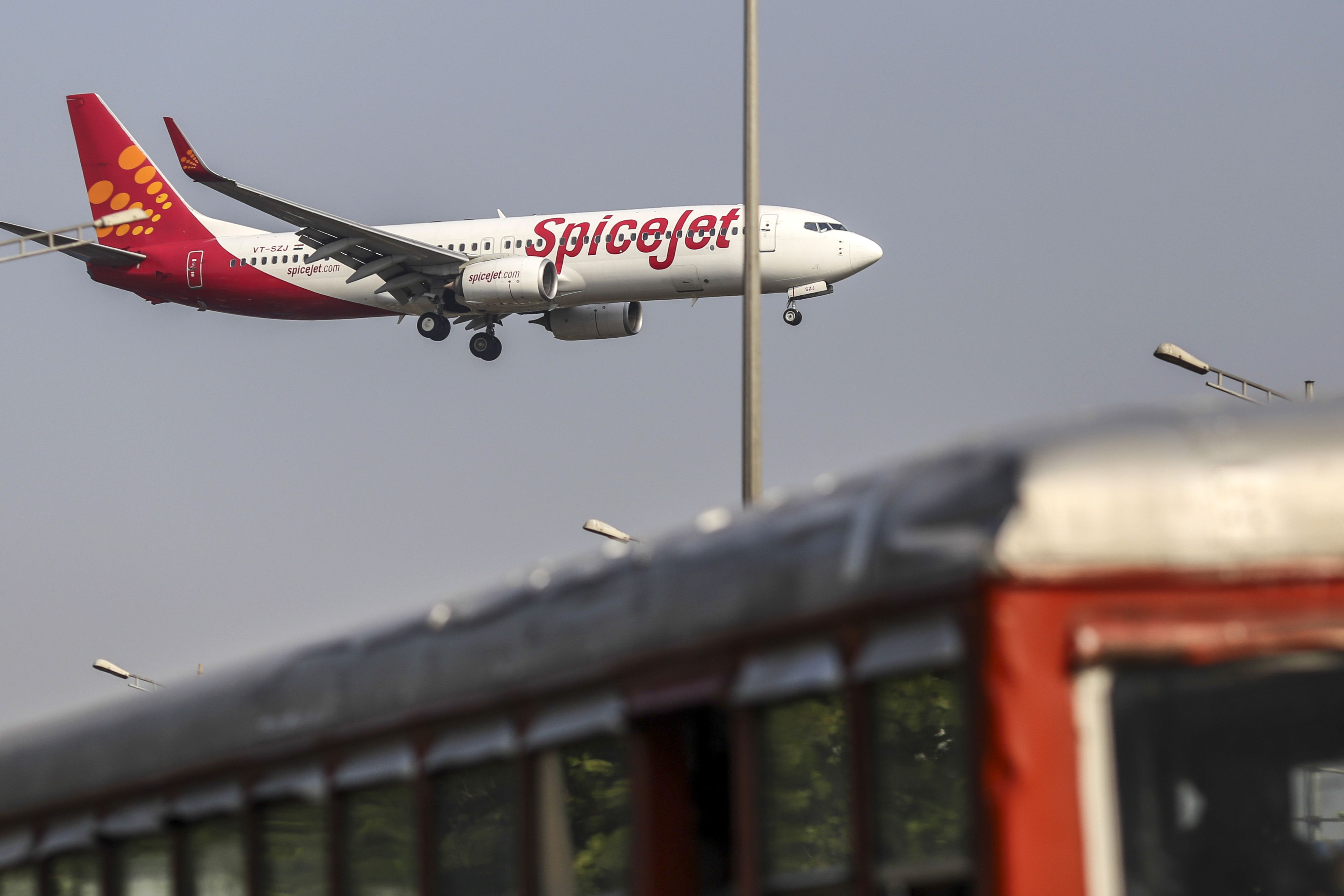
(Bloomberg) -- The next sales pitch for one of the world's fastest-growing airlines may turn out to be: No runway? No problem!
SpiceJet Ltd., an Indian budget carrier that's seen its stock zoom 899 percent in three years, wants to open up the third-biggest aviation market even more. That means targeting the billion Indians who've never flown before, either because they can't afford it or because they don't live near a functioning airport.
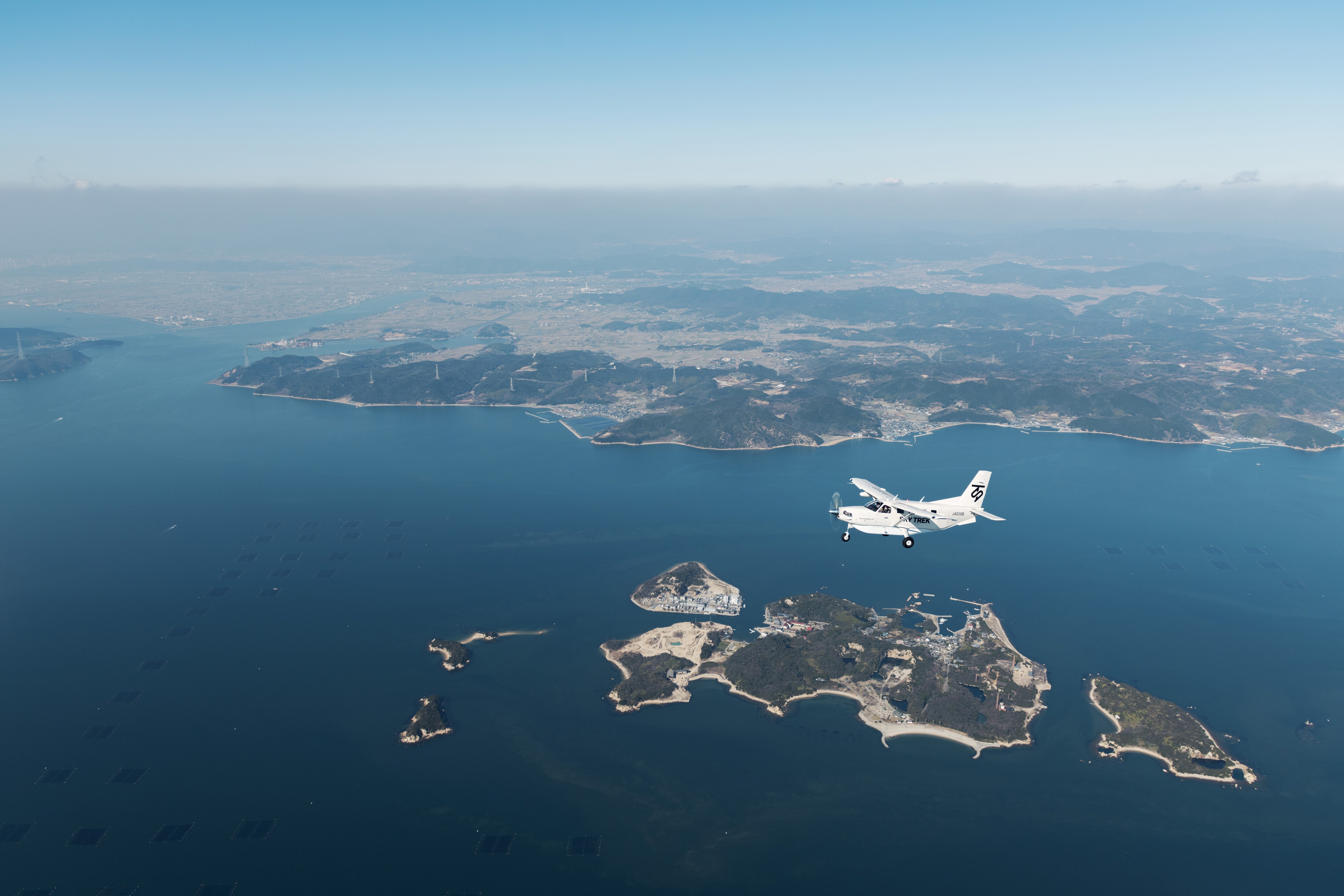
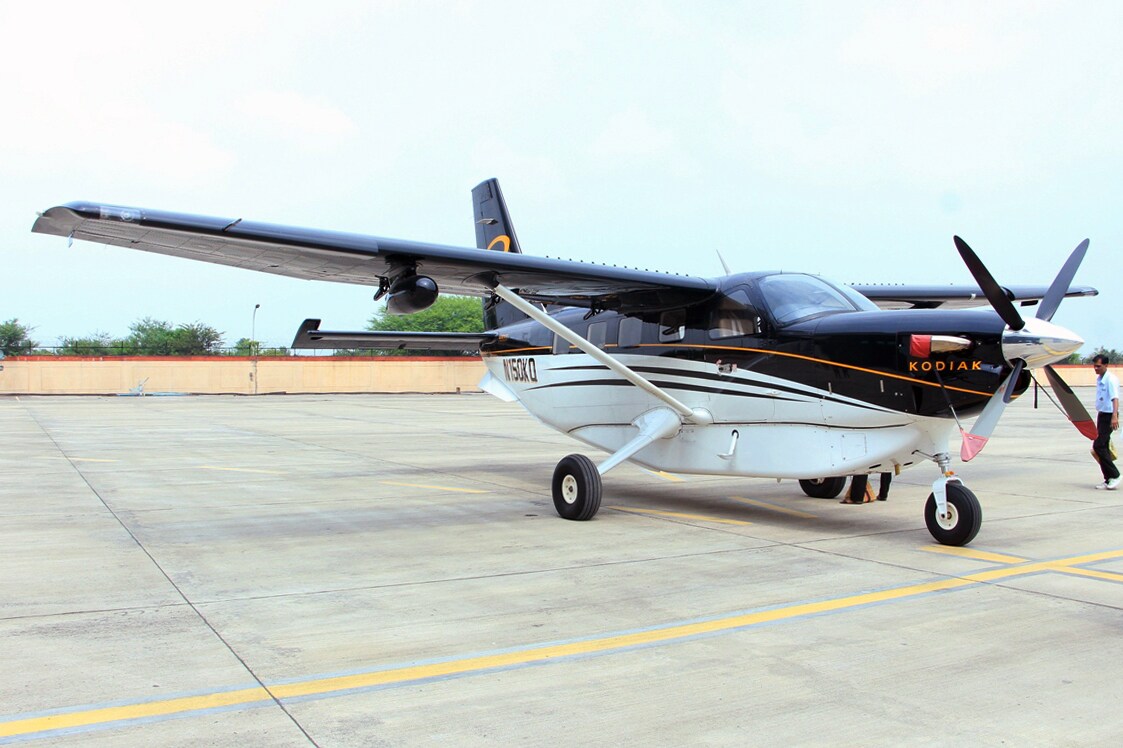
The airline is in talks with Japan's Setouchi Holdings Inc. to buy about 100 amphibious Kodiak planes that can land anywhere, including on water, gravel or in an open field. The deal, valued at about $400 million, would help SpiceJet capitalize on Prime Minister Narendra Modi's ambitious plan to connect the vast nation by air without waiting for billions of dollars in upgrades to colonial-era infrastructure.
“Airports are in short supply in India,” SpiceJet Chairman Ajay Singh said. “Lots of the growth in India is happening in small markets, but those small markets have little or no connectivity. So we are looking for a solution where we can get flights to places where no airports exist.”
While negotiations continue, Hiroshima-based Setouchi plans to conduct a demonstration water landing in November, said Go Okazaki, an executive managing director in the overseas business division. He couldn't estimate when the deal would close.
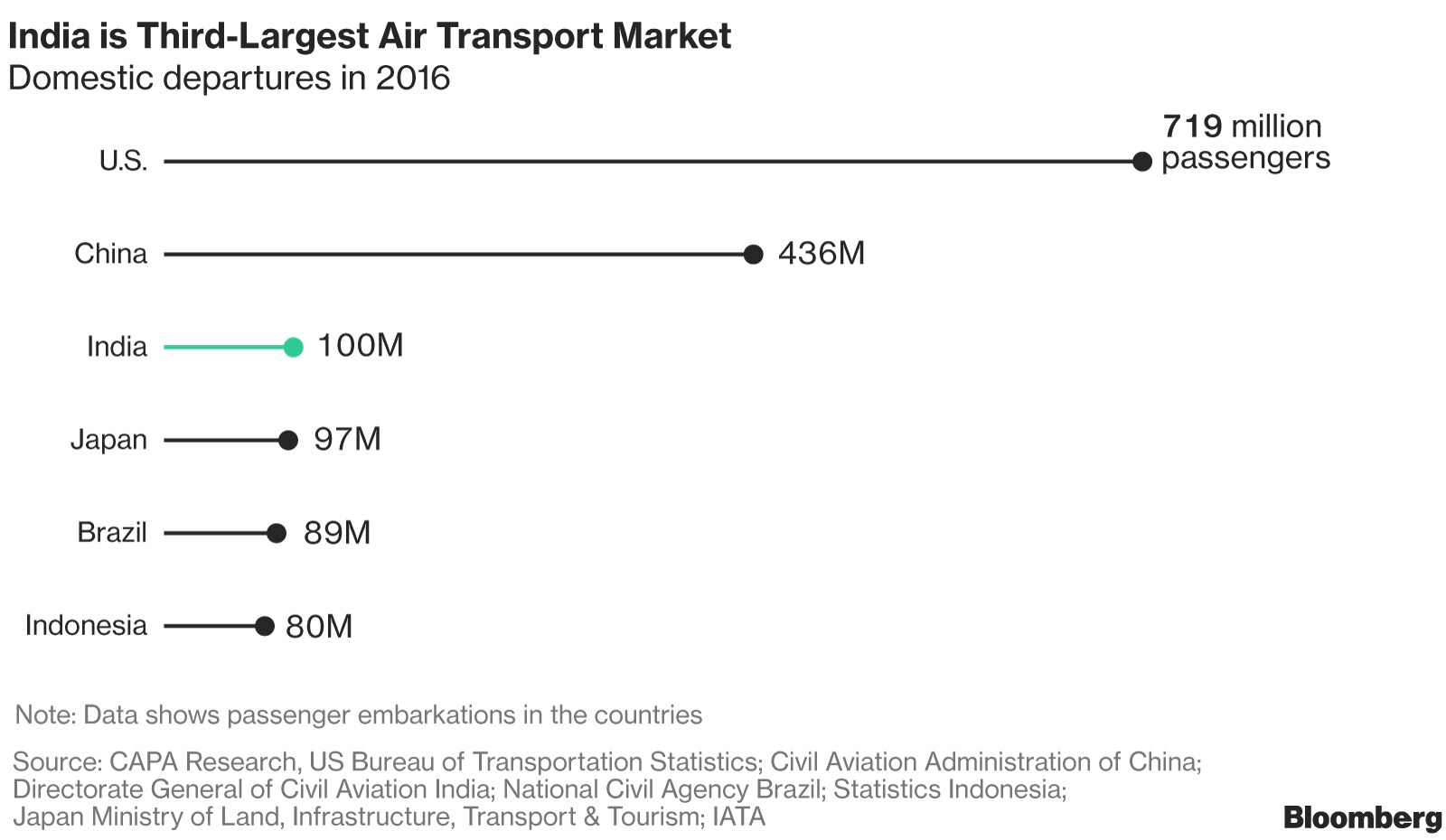
India's airlines handled 100 million domestic passengers last year, making it the No. 3 market behind China and the U.S. To handle growth, India will need at least 2,100 new planes worth $290 billion in the next 20 years, Boeing Co. estimates.
Modi unveiled a plan in 2015 to bring aviation to the remotest parts of the world's seventh-biggest land mass. The government program subsidizes airfares while offering free landing and parking to airlines. Modi envisages domestic ticket sales quintupling in the next decade to half a billion units.
About 97 percent of India's 1.3 billion people have never been on an airplane, according to SpiceJet. But there's a problem finding places to pick up and drop off those passengers.
Only about 75 of the 450 areas designated by the Indian government as an airport or airstrip currently handle commercial flights. That exacerbates the stress on major airports in New Delhi, Mumbai and Bengaluru, where hardly any landing slots are available.
Infrastructure at most of those dormant airports -- runways, control towers, terminals and maintenance sheds -- has suffered decades of neglect, making the sites unusable.
That's where SpiceJet's amphibious strategy comes in. The Kodiak aircraft, which can seat either 10 or 14 people, is capable of taking off or landing on a 300-meter strip of water or land, and has a range of 1,000 kilometers (621 miles.) That's about the distance between Mumbai and Bengaluru.
The sales agreement could be finalized in as soon as three months, SpiceJet said. The planes, made by Sandpoint, Idaho-based Quest Aircraft Co., could allow SpiceJet to land at as many as 300 of India's currently unused airports, Okazaki said.
“The basic logic for this is that in India, we need last-mile connectivity,” Singh said. “The amphibian plane opens up a lot of areas, creates a lot of flexibility.”
They also would save a lot of time for Mihin Rosie, who regularly travels from her job in southern India to her hometown in the far eastern state of Arunachal Pradesh, bordering Tibet and Myanmar.
Rosie, 29, now flies from Bengaluru to Guwahati, takes a train to Ziro and then rides a bus or car to her family in Hapoli -- an 18-hour expedition. Air service between Guwahati and Hapoli could save her 15 hours, she said.
Lake Town
The Kodiak planes also could be deployed to tourist sites such as the western lake-town of Udaipur, where the airport is far away from the main city, Singh said.
“High-end tourists use amphibious aircraft at exotic locations all over the world,” said Amber Dubey, a New Delhi-based partner and India head of aerospace and defense at KPMG. “There's no reason why it can't be successful in India.”
Still, hurdles remain before SpiceJet can start scheduling amphibious flights.
The government doesn't allow single-engine aircraft to fly commercially because of safety concerns, and any airline trying to operate amphibious aircraft likely will face opposition from environmental groups, local communities and nongovernmental organizations, Dubey said.
“We've taken this idea to the government, and the government seems to be very enthusiastic,” Singh said.
Landing Sites
India's aviation regulators are studying whether to allow such planes into the commercial fleet and are reviewing a list of about 20 proposed landing sites, a government official said, asking not to be identified because of government rules. Decisions are likely by year's end, the official said.
India's aviation secretary, R.N. Choubey, didn't respond to a request for comment.
Singh's relentless optimism helped him bring SpiceJet back from the brink of extinction in 2014 after it defaulted on a $2.2 million fuel bill. Since then, shares have outperformed the Bloomberg World Airlines Index, pushing SpiceJet's market valuation to 86.65 billion rupees ($1.3 billion).
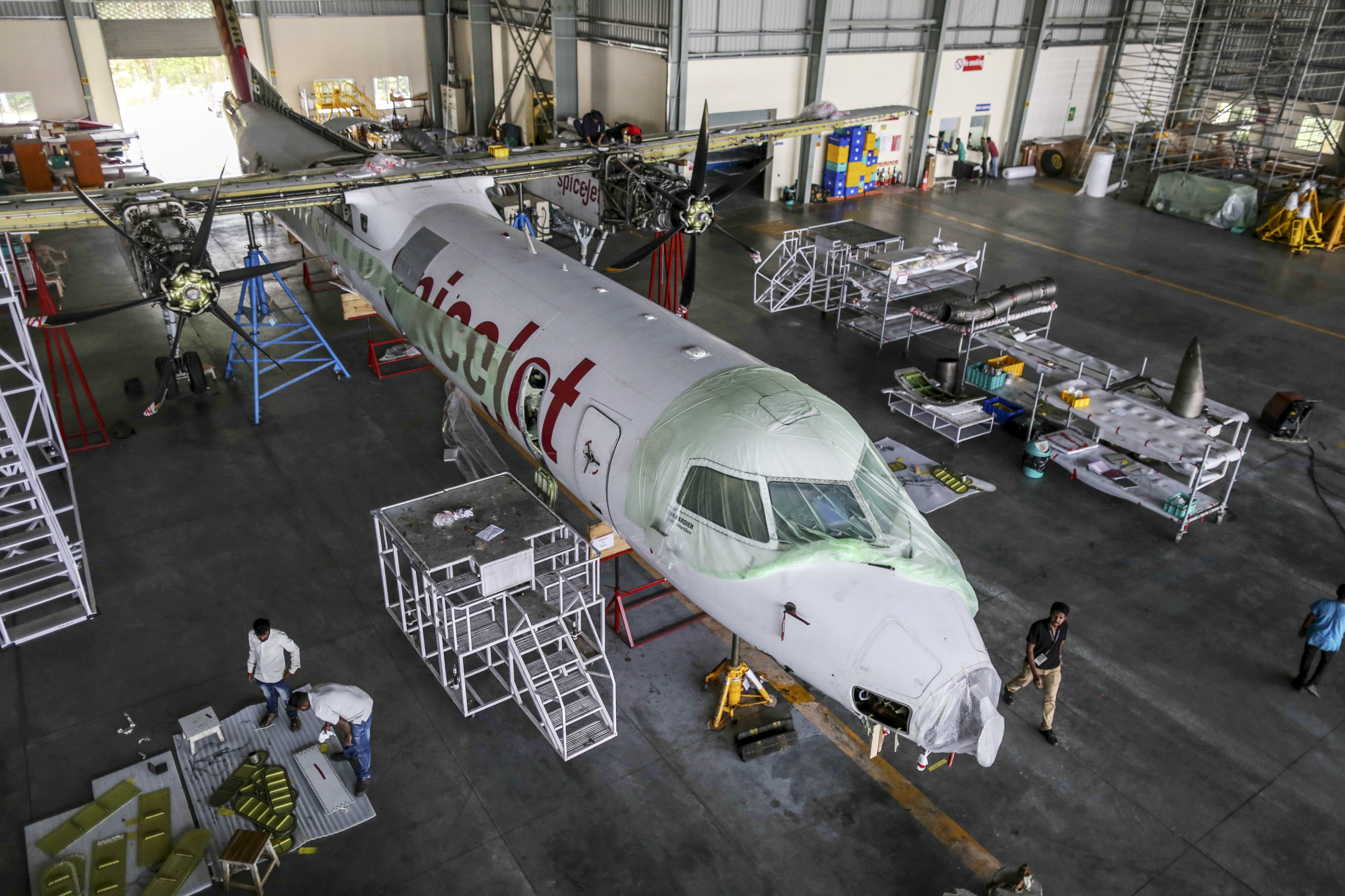
A potential deal with closely held Setouchi Holdings will cap a recent spending spree by SpiceJet. In September, Bombardier Commercial Aircraft said it concluded a firm purchase agreement with SpiceJet for as many as 50 Q400 turboprop airliners, valued at $1.7 billion.
The Gurgaon-based airline also began an order contest that month between Boeing and Airbus SE for wide-body aircraft, indicating it plans to offer discounted long-distance flights to markets including Europe, Singh told Bloomberg TV on Sept. 7.
“Once local communities support seaplane operations and the benefits become visible, we may see seaplanes take off all over the vast Indian coastline,” Dubey said. “It's a revolution waiting to happen.”

-
One Battle After Another: India's Corporate Dynasties Battle For Control

2026 could go down as Corporate India's year of succession wars, governance battles and family fault lines.
-
Rs 50-Lakh Gold In Bank Locker, Rs 3 Lakh Of Protection: The Gap Most Families Don't Know About
The RBI ties a bank's liability to the annual locker rent and families who want to insure their jewellery face a separate question about how to prove what was inside.
-
The More Food Turns Into Fuel, The Harder It Is To Read Agricultural Markets | The Reason Why
A policy designed to reduce dependence on imported fuel can create new pressures elsewhere in the food economy.
-
Your iPhone Costs 12 Grams Of Gold, A Car About 100. What Does Your Life Weigh?
Measured in rupees, almost everything looks more expensive than it did a generation ago. Measured in grams of gold, a lot of it has become cheaper.
-
Gold Is Rs 22,000 Cheaper Than A Month Ago. Should You Buy Amid The Wedding Season?
Gold's potential slide to $3,500 could save around Rs 4,700 per 10 grams, but a soft inflation print could just as easily push prices back up. One way to split the risk is to buy in parts, some now and the rest after the Fed's Dec. 9 decision.
-
AI Agents Are Gaining Power. Who Governs Them?
Artificial intelligence agents promise to transform productivity by moving machines from assisting decisions to executing them. But as organisations delegate greater authority to these AI-agents, they must first establish who controls that authority and who remains accountable when things go wrong.
-
Why Swapping Your Old Gold Can Trigger A Rs 5 Lakh Tax Bill, And How You Can Avoid It Legally
Swapping old gold for new is taxed as a sale and a fresh purchase. Getting your own gold remade can cut most of that bill, though it has its own costs.
-
The AI Trade is Done. The Real Opportunity for Investors Starts in 2027 | Unhedged Position
As pureplay AI stocks plunge and circular, capex-led financing unwinds, 2027 is set to be a year of reckoning for AI companies. Yet the bust clears the way for a better opportunity for investors in 2027 -- shifting the spotlight from AI builders to the companies using AI.
-
Leadership As Mission: Why The Age Of AI Demands More Human Leadership
Debjani Ghosh examines how AI is changing leadership, arguing that its success must be measured by its impact on people and the accountability of those guiding its use.
-
We May Need Another Tukaram Mundhe To Fight Air Pollution | The Reason Why
Developers may install basic measures such as sprinklers and green nets, resume work, and continue violating rules when this equipment stops working.









