How Do Global Lenders IMF And World Bank See Cryptocurrency?
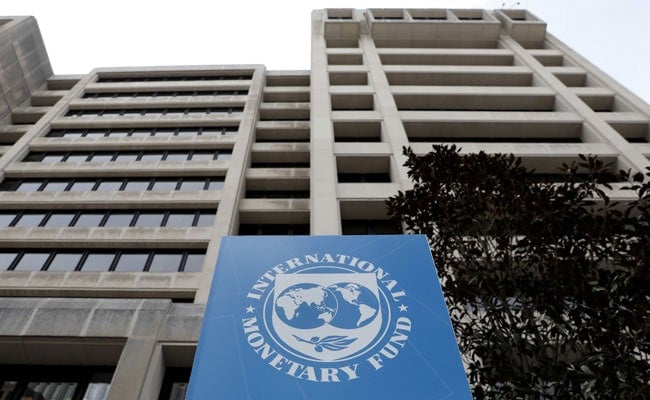
While the cryptocurrency boom has opened possibilities for businesses and trade, many people are wary about its future. Most countries and their central banks are worried about the disruption, allowing cryptocurrency as legal tender would cause to their economies. Still, the crypto market is growing rapidly as people enter it in large numbers primarily to book profits while the bull run lasts. The International Monetary Fund (IMF) and the World Bank, too, have often raised questions about the viability of this opaque market.
In its latest Global Financial Stability Report, the IMF has called for tougher regulations to prevent the rapid growth in cryptocurrencies, which it said can lead to financial instability, defrauding of consumers and funding of terrorism. The report highlighted the hacking risks the crypto trade poses because of its digital nature. “So far, these incidents have not had a significant impact on financial stability. However, as crypto assets become more mainstream, their importance in terms of potential implications for the wider economy is set to increase,” the authors of the report have said in a blog.
They also pointed out the inadequate disclosure and oversight over the industry, saying some currencies were likely created for the sole purpose of speculation or fraud. The authors said the anonymity of crypto assets creates data gaps for regulators and can contribute to even money laundering.
The World Bank, meanwhile, has made clear its preference for central bank digital currencies (CBDCs) instead of privately held cryptocurrencies. It has said that CBDCs can facilitate cross-border transactions and vastly improve the international payments systems. When El Salvador granted Bitcoin the status of legal tender, the international lender rejected its request for assistance with the rollout because of “environmental and transparency shortcomings''.
While a number of countries are considering launching their own CBDCs, there are still many unanswered questions about how the existing infrastructure will co-exist with the new one, how the monetary policy will be impacted and what role will the private sector play in its adoption.

-
We May Need Another Tukaram Mundhe To Fight Air Pollution | The Reason Why

Developers may install basic measures such as sprinklers and green nets, resume work, and continue violating rules when this equipment stops working.
-
Extracting Value From Battery Scrap Could Be Challenging For India | The Reason Why
A discarded lithium-ion battery still contains valuable materials such as lithium, nickel and cobalt. These can be recovered and reused. When such batteries are crushed and shredded, they produce a dark powder called black mass.
-
One El Nino, India Can Handle. Two Could Break The Granary
India's grain stocks can absorb one bad year, but a second El Nino could drain the buffer in two to three years, economists say.
-
India's Troika Of Good Luck | Joining The Dots
As Jensen Huang's exit drags Nvidia down, a cooling AI trade and resilient earnings have revived investor interest in India. A likely RBI rate hike looms.
-
Talking Points This Week: Leadership Shock At Nvidia, Earnings Strength, And The Fog Over Hormuz
The Anthropic IPO pricing and first trading day, Nvidia's upcoming earnings, and any fresh signals from Iran will set the tone for the following week.
-
Signature Play: The Classic Cocktail Is Dead. Or Is It?
Classic cocktails are disappearing from India's cocktail menus. But they're still being ordered, taught to bartenders and borrowed from. So, who's really having the last drink?
-
A New Samvat Wishlist: Inclusive Prosperity And Human Development
India has strengthened its economic foundations through infrastructure, digital access and enterprise. Its next growth chapter must deepen productivity, create better livelihoods and widen participation in prosperity.
-
Love, Sex Aur Dhokha: The Audacious Plot To Spy On Jensen Huang
A Taipei dinner, a Singapore chip buyer and a suspected Chinese asset: inside the alleged spy operation that got close to NVIDIA's Jensen Huang.
-
Ten Things I Learnt This Samvat
Patience can be a trap. Cheap stocks can stay cheap. Leverage can wipe you out. What did Samvat 2082 teach us? Niraj Shah writes on 10 lessons from the year gone by.
-
Talking Points This Week: Tech Nerves, FII Buying, And A Faraway Banking Shock
The global markets are not shining this Diwali. The exception in the large markets is, India.









