What You Must Follow At Shopping Malls, Restaurants And Religious Places
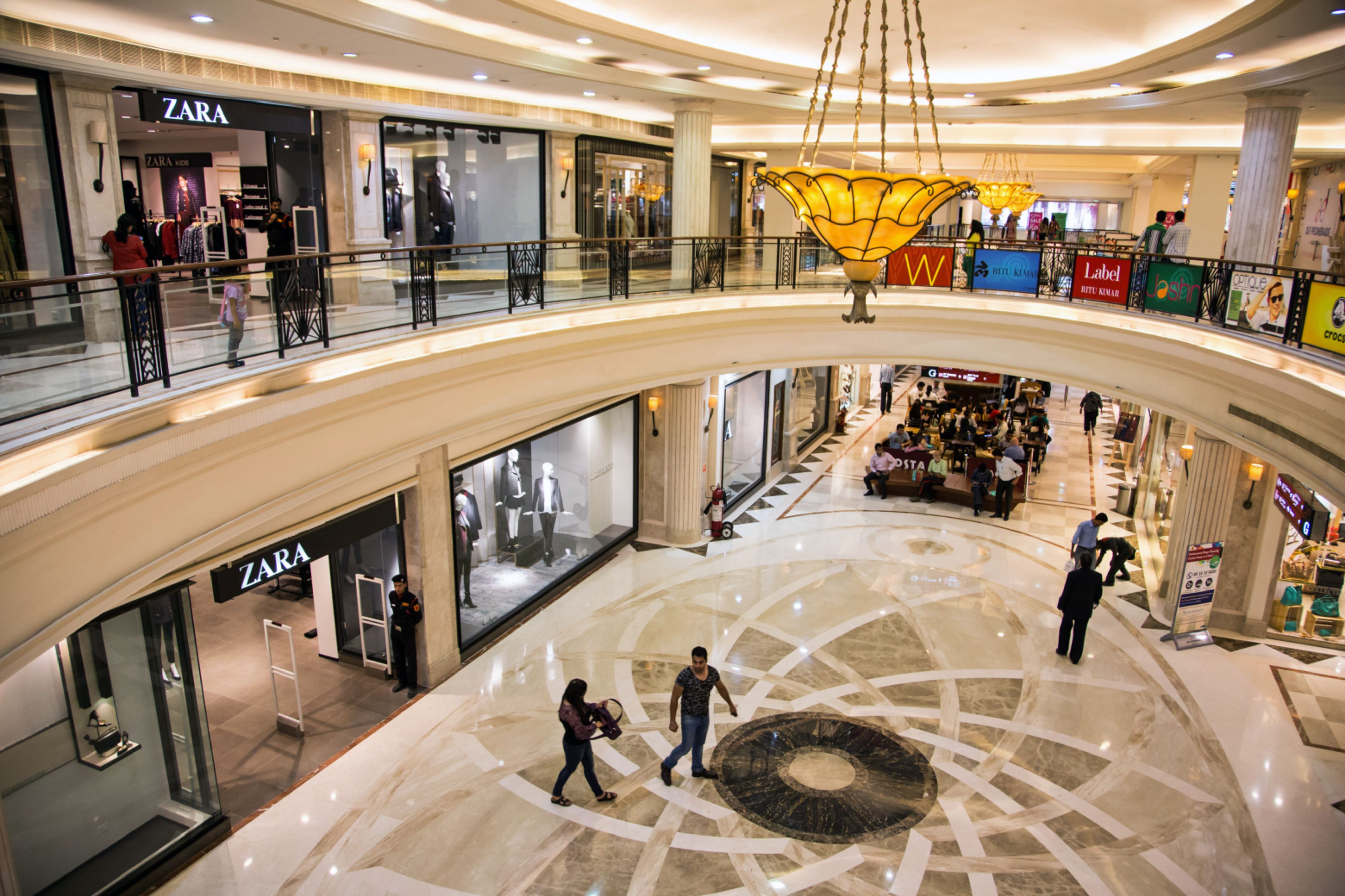
Restaurants and food courts in malls will have to operate at half the seating capacity, no prasad or sprinkling of holy water at places of worship, a mandatory distance of six feet with face cover or masks.
These are some of the guidelines people will have follow as the government eases the world's strictest lockdown imposed to contain the pandemic. Hand hygiene, sanitiser dispensers and thermal screening will be de rigueur. Only asymptomatic customers and visitors will be allowed everywhere.
The standard operating procedures issued by the Health Ministry on Friday come into effect from June 8. These will be applicable in all areas except containment zones that have been sealed because of high number of the new coronavirus cases. Only essential services are allowed in these localities.
Temperature settings for all air-conditioning devices should be in the range of 24-30 degrees Celsius, and relative humidity should be in the range of 40-70%, the ministry said. There should be intake of fresh air as much as possible, with adequate cross-ventilation
All establishment will have to put up posters and audio-video media prominently on preventive measures against Covid-19, according to the guidelines.
Valet parking staff will have to wear face covers or masks and gloves. Steering wheel, door handles, and keys of the vehicles need to be disinfected.
All establishments are required to regularly clean and disinfect (using 1% sodium hypochlorite) frequently touched surfaces such as door knobs, elevator buttons, hand rails, benches, and washroom fixtures. The number of people in lifts has be restricted.
People above 65 years of age or those with comorbidities and pregnant women are advised to stay at home, except for essential and health purposes.
Here's what the new guidelines say:
Shopping Malls
- Shopping malls will have to open without the gaming arcades, play areas and cinema halls.
- Not more than 50% capacity in the food courts allowed.
- Staggering of visitors, if possible. Separate entry and exits for visitors, workers and goods and supplies.
- The staff for home delivery to be screened thermally by the shopping mall authorities prior to dispatching items.
- Number of people in the elevators to be restricted. Use of escalators with one person on alternate steps encouraged.
Restaurants
- Takeaways should be encouraged instead of dine-in.
- Food delivery personnel should leave the packet at the customer's door.
- Staff to be screened thermally prior to home delivery.
- Seating arrangement should maintain adequate social distancing; not more than 50% of capacity to be permitted.
- Disposable menus are advised. Instead of cloth napkins, use of good quality disposable paper napkins encouraged.
- Deep cleaning of all washrooms regular intervals required.
- Rooms and other service areas to be sanitised each time a guest leaves.
Hotels
- Room service or takeaways should be encouraged instead of dine-in at restaurants or cafes.
- Guests will have to submit their medical history apart from identity card, and travel history.
- Hotels must adopt contactless processes like QR code, online forms, digital payments like e-wallet.
- Luggage should be disinfected before it's sent to rooms.
- Appropriate personal protection gear like face covers or masks, gloves and hand sanitisers shall be made available to staff and guests.
- Washrooms have to be deep cleaned.
Religious Places
- Large gatherings, congregation prohibited.
- Touching of statues, idols, holy books not allowed.
- As far as feasible, recorded devotional music and songs may be played and choir or singing groups should not be allowed.
- No physical offerings like prasad or distribution or sprinkling of holy water allowed
- Common prayer mats should be avoided and devotees should bring their own prayer mats or piece of cloth which they may take back with them.
Workpalces
- Staggered office and lunch hours and coffee breaks.
- Seating arrangement to ensure a distance of at least a metre. The number of people in lifts shall be restricted.
- Staff residing in containment zones not allowed in office till that area is denotified. They should be permitted to work from home and it will not be counted as leave.
- Drivers to maintain social distancing and follow required dos and don'ts. Onus on service providers, officers and staff to ensure drivers residing in containment zones are not allowed in vehicles.
- Provision for disinfecting interiors of vehicles using 1% sodium hypochlorite solution or spray.
- Meetings, as far as feasible, should be conducted through video-conferencing.
- Ensure regular supply of hand sanitisers, soap and running water in the washrooms.

-
Signature Play: The Classic Cocktail Is Dead. Or Is It?

Classic cocktails are disappearing from India's cocktail menus. But they're still being ordered, taught to bartenders and borrowed from. So, who's really having the last drink?
-
A New Samvat Wishlist: Inclusive Prosperity And Human Development
India has strengthened its economic foundations through infrastructure, digital access and enterprise. Its next growth chapter must deepen productivity, create better livelihoods and widen participation in prosperity.
-
Love, Sex Aur Dhokha: The Audacious Plot To Spy On Jensen Huang
A Taipei dinner, a Singapore chip buyer and a suspected Chinese asset: inside the alleged spy operation that got close to NVIDIA's Jensen Huang.
-
Ten Things I Learnt This Samvat
Patience can be a trap. Cheap stocks can stay cheap. Leverage can wipe you out. What did Samvat 2082 teach us? Niraj Shah writes on 10 lessons from the year gone by.
-
Talking Points This Week: Tech Nerves, FII Buying, And A Faraway Banking Shock
The global markets are not shining this Diwali. The exception in the large markets is, India.
-
Midterm Rally Lasted A Day. The Hard Reality Of A Divided US May Last Two Years | Opinion
Between a contested AI boom, a debt ceiling that arrives in 2027 and a president with every incentive to act alone, the next two years may prove more volatile than the first day's rally suggests.
-
Blue Wave Will Derail the AI Trade but Won't Dismantle the AI Era | Unhedged Position
The Democrats' sweep of the US Congress will see politics collide with economic forces both over the long and short term.
-
It's Time To Take The GST Council's Bet On Trust Global
Payment records can prove India's services exports, and clear, proportionate rules can bring foreign digital sellers into the tax net.
-
Opinion | India at 38: From Innovation Overperformer to Innovation Powerhouse
India now has 453 VC-backed deep science startups, 18 of them late-stage, after 117 percent growth since 2020. Laurus Labs, at USD 9.3 billion, is the most valuable deep science company in any middle-income economy outside China.









