Star India’s Dominance Of Cricket Is Getting Bigger
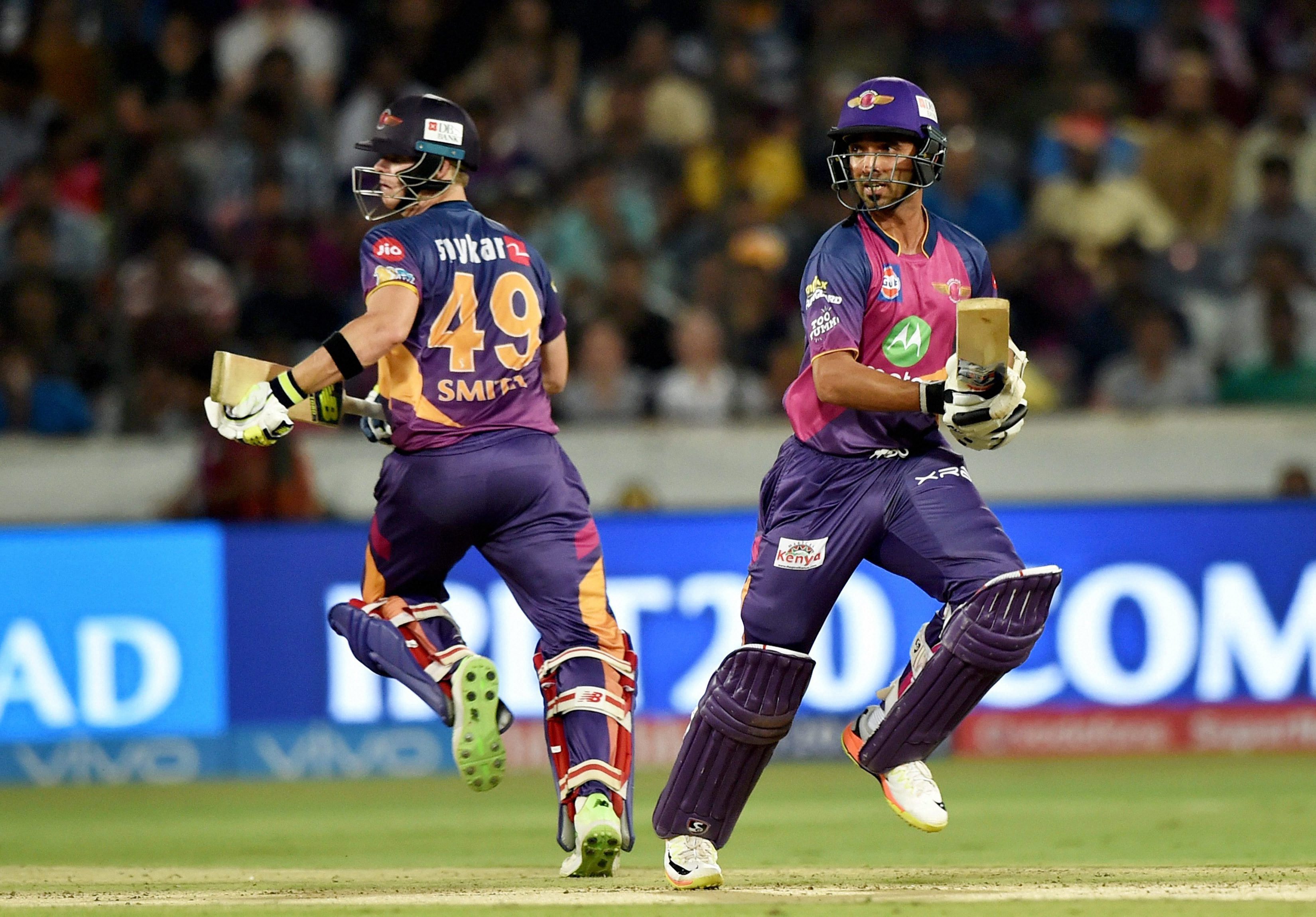
Two events in September have changed the game for the country's sports channels.
First, the Supreme Court restrained public broadcaster Prasar Bharti from giving live feed of significant sports events to cable television and direct-to-home companies. Second, Rupert Murdoch's Star India bagged the rights to broadcast the Indian Premier League.
The result: Star India has the biggest slice of the sports content pie, giving it the chance to rake in more money from advertisers. A report by ICICI Securities shows how.
Remember that the International Cricket Council and Board of Cricket Control in India events are already in Star's bag. The Rs 16,350-crore IPL deal gives the broadcaster the sole access to all major cricket events. It's main competitor Sony Pictures Network, which got 420 crore impressions from IPL since February, will lose out on viewership.
Which means, Star will not only get added cricket viewers from local cable channels and DD National, but also from Sony.

In fact, Dish TV's Chairman and Managing Director Jawahar Goel even lodged a complaint with the Information and Broadcasting Ministry, now under Smriti Irani, warning against Star's already established monopoly over cricket broadcast with 71 percent of the total matches played, excluding ICC events and IPL.
Apart from cricket, Star also has the lead in other sports. The company has rights to Football Premier League, Pro-Kabaddi League, Wimbledon, French Open and Formula One, which have higher viewership when compared to other events in the respective sports.
Sony is left with FIFA World Cup, Premier Futsal League, World Kabaddi League, NBA and The Indian Open Grand Prix Gold.

Star's advantageous position has made this the correct time for it to monetise, the report said. And media reports show that it has already started doing that. Exchange4media, an Indian advertising and marketing news agency , reported that the channel had hiked the advertisement rate for the India-Australia one-day series in September, charging Rs 9.5 lakh for 10 seconds. It also increased rates to Rs 11.75 lakh for T20 matches, the agency reported.
Also Read: Why Star India Will Pay More To Broadcast IPL Than International Tests
(Corrects the spelling of Premier Futsal League.)

-
The Economic Imperative: Analysing The Material Driving Force Behind India-Canada Strategic Reset

This economic complementarity is further reinforced by deep institutional investment ties and talent mobility, which form the bedrock of the bilateral framework.
-
Medicine Pricing: Where Must Profit Stop?
India must confront excessive margins, hidden incentives and regulatory gaps that threaten the integrity of medicine.
-
Why Amazon And Flipkart Are Struggling To Beat Meesho In India's Smaller Cities
With 274 million users and lowest-cost logistics, Meesho is defending its value commerce crown against giants like Amazon and Flipkart.
-
High US Salaries, No Green Card Certainty: The Financial Calculation Facing Indian H-1B Families
The suspension of PERM processing at eight technology employers does not cancel existing H-1B visas. What it does is force a question many Indian families have been avoiding: is the US salary worth tying your career and family plans to one employer?
-
Swiggy vs Eternal: Food Delivery's Two Rivals Are No Longer In The Same Race
Eternal is building a private AI assistant, dark.ai. Swiggy is still working out how to make Instamart pay, with an operating loss of Rs 895 crore in the July-September quarter while Blinkit stayed profitable.
-
Where You Live Shapes How You Get To Work | The Reason Why
Two-wheelers are the most popular way to get to work in India, accounting for nearly 43% of workplace commutes.
-
Unhedged Position: Can India See An Indonesia-Style Time Correction?
The Nifty is trading below levels it first clocked in 2024. Is there, then, as I have suggested in the headline, potential that the current time correction drags on painfully for the next three-five, even ten years?
-
Navigating Friction And Energy Realities: An Analysis Of Marco Rubio's October Visit To India
Occurring at a critical juncture marked by stalled trade negotiations and escalating geopolitical pressures over global energy supplies, the visit offers a profound window into modern US-India relations.
-
India Exports Capital. Why Not Export Trusteeship?
The big question, then, is whether India can build an institution that global borrowers, investors, banks, and lawyers can trust, even without an Indian connection.
-
France's Economy & Politics Are In Crisis | The Reason Why
Let's look at how the French economy and politics evolved under Nicolas Sarkozy, Franois Hollande and Emmanuel Macron.










