What Is Decentralized Finance? Expert Explains Risks And Rewards Of DeFi
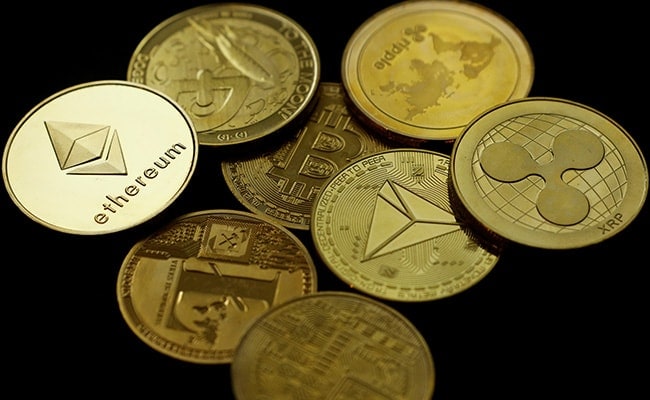
Fervent proponents of cryptocurrencies and the blockchains they run on have promised a lot.
To them, these technologies represent salvation from corporate power over the internet, government intrusions on liberty, poverty and virtually everything else that ails society.
But so far, the reality has mostly involved financial speculation with popular cryptocurrencies like bitcoin and dogecoin, which soar and plunge with alarming regularity.
So what are cryptocurrencies and blockchain good for?
As an expert on emerging technologies, I believe that decentralized finance, known as DeFi, is the first solid answer to that question. DeFi refers to financial services that operate entirely on blockchain networks, rather than through intermediaries like banks.
But DeFi comes with a host of risks as well that developers and regulators will need to address before it can go mainstream.
What is DeFi?
Traditionally, if you want to borrow US$10,000, you first need some assets or money already in the bank as collateral.
A bank employee reviews your finances, and the lender sets an interest rate for the repayment of your loan. The bank gives you the money out of its pool of deposits, collects your interest payments and can seize your collateral if you fail to repay.
Everything depends on the bank: It sits in the middle of the process and controls your money.
The same is true of stock trading, asset management, insurance and basically every form of financial services today. Even when a financial technology app such as Chime, Affirm or Robinhood automates the process, banks still occupy the same intermediary role. That raises the cost of credit and limits borrower flexibility.
DeFi turns this arrangement on its head by re-conceiving of financial services as decentralized software applications that operate without ever taking custody of user funds.
Want a loan? You can get one instantly by simply putting cryptocurrency up as collateral. This creates a "smart contract" that finds your money from other people who made a pool of funds available on the blockchain. No bank loan officer necessary.
Everything runs on so-called stablecoins, which are currencylike tokens typically pegged to the U.S. dollar to avoid the volatility of bitcoin and other cryptocurrencies. And transactions settle automatically on a blockchain - essentially a digital ledger of transactions that is distributed across a network of computers - rather than through a bank or other middleman taking a cut.
The rewards
Transactions made this way can be more efficient, flexible, secure and automated than in traditional finance.
Moreover, DeFi eliminates the distinction between ordinary customers and wealthy individuals or institutions, who have access to many more financial products. Anyone can join a DeFi loan pool and lend money to others. The risk is greater than with a bond fund or certificate of deposit, but so are the potential returns.
And that's just the beginning. Because DeFi services run on open-source software code, they can be combined and modified in almost endless ways. For example, they can automatically switch your funds among different collateral pools based on which currently offers the best returns for your investment profile. As a result, the rapid innovation seen in e-commerce and social media could become the norm in traditionally staid financial services.
These benefits help explain why DeFi growth has been meteoric. At the recent market peak in May 2021, over $80 billion worth of cryptocurrencies were locked in DeFi contracts, up from less than $1 billion a year earlier. The total value of the market was $69 billion as of Aug. 3, 2021.
That's just a drop in the bucket of the $20 trillion global financial sector, which suggests there is plenty of room for more growth.
At the moment, users are mostly experienced cryptocurrency traders, not yet the novice investors who have flocked to platforms like Robinhood. Even among cryptocurrency holders, just 1% have tried DeFi.
The risks
While I believe the potential of DeFi is exciting, there are also serious causes for concern.
Blockchains can't eliminate the risks inherent in investing, which are the necessary corollary of the potential for returns. In this case, DeFi can magnify the already high volatility of cryptocurrencies. Many DeFi services facilitate leverage, in which investors essentially borrow money to magnify their gains but face greater risk of losses.
Moreover, there isn't any banker or regulator who can send back funds transferred in error. Nor is there necessarily someone to repay investors when hackers find a vulnerability in the smart contracts or other aspects of a DeFi service. Almost $300 million has been stolen in the past two years. The primary protection against unexpected losses is the warning "investor beware," which has never proved sufficient in finance.
Some DeFi services appear to violate regulatory obligations in the United States and other jurisdictions, such as not barring transactions by terrorists, or allowing any member of the general public to invest in restricted assets like derivatives. It's not even clear how some of those requirements even could be enforced in DeFi without traditional intermediaries.
Even highly mature, highly regulated traditional financial markets experience shocks and crashes because of hidden risks, as the world saw in 2008 when the global economy nearly melted down because of one obscure corner of Wall Street. DeFi makes it easier than ever to create hidden interconnections that have the potential to blow up spectacularly.
Regulators in the U.S. and elsewhere are increasingly talking about ways to rein in these risks. For example, they are starting to push DeFi services to comply with anti-money laundering requirements and considering regulations governing stablecoins.
But so far they have only begun to scratch the surface of what may be required.
From travel agents to car salespeople, the internet has repeatedly undermined the bottleneck power of intermediaries. DeFi is another example of how software based on open standards can potentially change the game in a dramatic way. However, developers and regulators will both need to up their own performance to realize the potential of this new financial ecosystem.
Kevin Werbach, Professor of Legal Studies and Business Ethics, University of Pennsylvania
This article is republished from The Conversation under a Creative Commons license. Read the original article.

-
Why Swapping Your Old Gold Can Trigger A Rs 5 Lakh Tax Bill, And How You Can Avoid It Legally

Swapping old gold for new is taxed as a sale and a fresh purchase. Getting your own gold remade can cut most of that bill, though it has its own costs.
-
The AI Trade is Done. The Real Opportunity for Investors Starts in 2027 | Unhedged Position
As pureplay AI stocks plunge and circular, capex-led financing unwinds, 2027 is set to be a year of reckoning for AI companies. Yet the bust clears the way for a better opportunity for investors in 2027 -- shifting the spotlight from AI builders to the companies using AI.
-
Leadership As Mission: Why The Age Of AI Demands More Human Leadership
Debjani Ghosh examines how AI is changing leadership, arguing that its success must be measured by its impact on people and the accountability of those guiding its use.
-
We May Need Another Tukaram Mundhe To Fight Air Pollution | The Reason Why
Developers may install basic measures such as sprinklers and green nets, resume work, and continue violating rules when this equipment stops working.
-
Extracting Value From Battery Scrap Could Be Challenging For India | The Reason Why
A discarded lithium-ion battery still contains valuable materials such as lithium, nickel and cobalt. These can be recovered and reused. When such batteries are crushed and shredded, they produce a dark powder called black mass.
-
One El Nino, India Can Handle. Two Could Break The Granary
India's grain stocks can absorb one bad year, but a second El Nino could drain the buffer in two to three years, economists say.
-
India's Troika Of Good Luck | Joining The Dots
As Jensen Huang's exit drags Nvidia down, a cooling AI trade and resilient earnings have revived investor interest in India. A likely RBI rate hike looms.
-
Talking Points This Week: Leadership Shock At Nvidia, Earnings Strength, And The Fog Over Hormuz
The Anthropic IPO pricing and first trading day, Nvidia's upcoming earnings, and any fresh signals from Iran will set the tone for the following week.
-
Signature Play: The Classic Cocktail Is Dead. Or Is It?
Classic cocktails are disappearing from India's cocktail menus. But they're still being ordered, taught to bartenders and borrowed from. So, who's really having the last drink?
-
A New Samvat Wishlist: Inclusive Prosperity And Human Development
India has strengthened its economic foundations through infrastructure, digital access and enterprise. Its next growth chapter must deepen productivity, create better livelihoods and widen participation in prosperity.









