What It Means To Give Subscribers Control Over TV Channels They Want
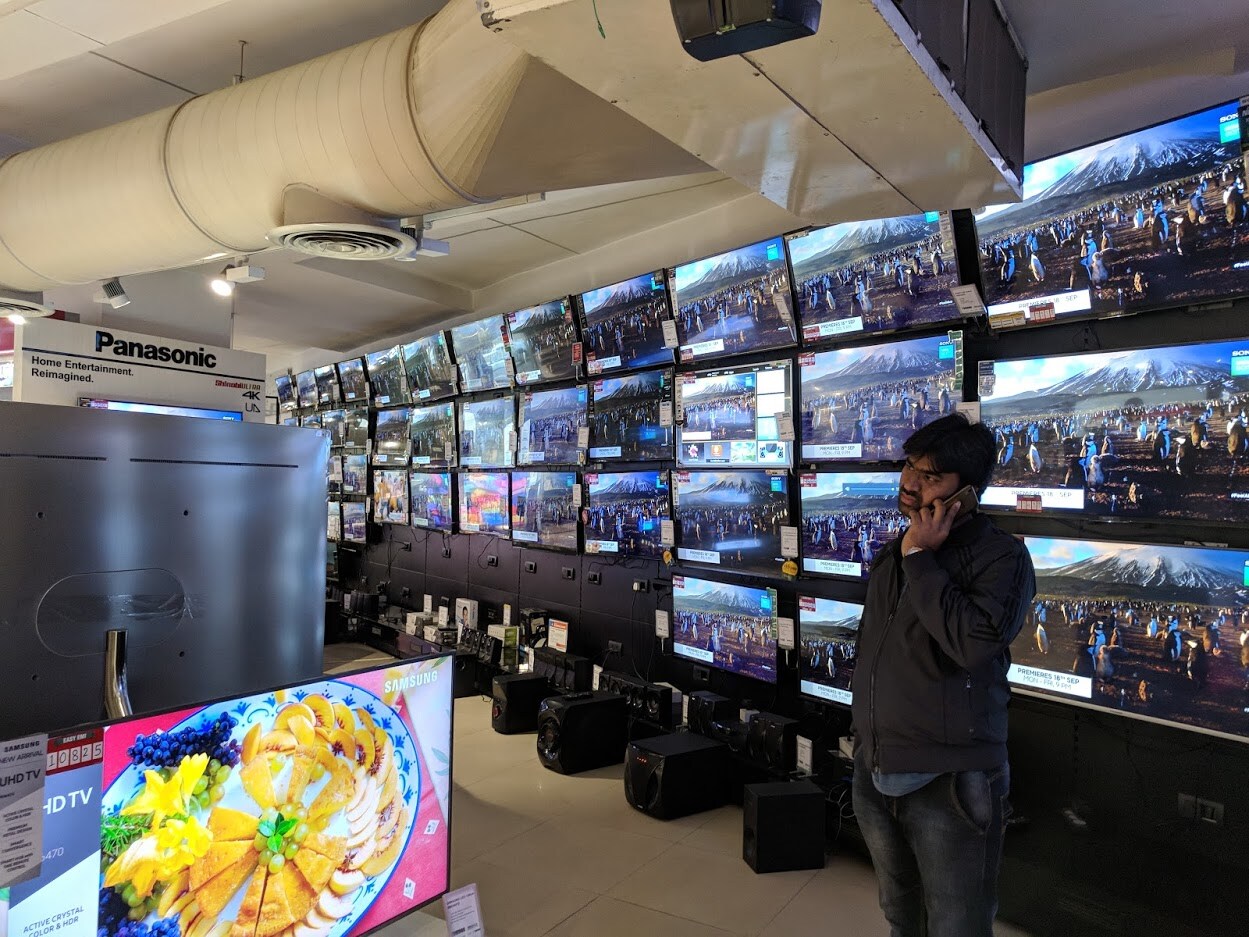
Television viewers will pay only for the channels they want starting April 1 as the new rules to curb the practice of dumping unwanted channels into bouquets come into force.
Broadcasters, distributors and cable television operators must price each channel separately, with the rate capped at Rs 19 each, according to the Telecom Regulatory Authority of India's changed rules. The deadline was extended thrice to create awareness among subscribers.
Some disruption is expected during implementation, impacting all stakeholders in the value chain, according to a report by Edelweiss Securities. Average revenue per user is likely to be volatile in the short run but, the brokerage said, the new regulations will boost broadcasters' revenues in the long term.

Here's what the rules mean for subscribers, broadcasters and content distributors:
Subscribers
Subscribers need to pay only Rs 130 per month to access 100 free-to-air channels. They can select individual channels or a bouquet of channels provided by the broadcaster or distributor at extra cost. The broadcasters will have to price each channel individually for the customer. Major television networks like Star India Private Ltd., Zee Entertainment Enteprises Ltd. and Sony Pictures Networks India have decided not to offer their channels in the pack of 100 channels, so customers will have to pay for them separately.
Equirus Analyst Depesh Kashyap said that while the key intention of the new tariff order was to enable subscribers to pay for only channels of their choice, 30-70 percent discounts being offered by broadcasters on their bouquet offerings would discourage subscribers from doing so.

Broadcasters
Companies like Zee Entertainment, Star India and Sun TV are expected to be affected the most in the short run.
Viewership is expected to consolidate as customers will select only the channels that they wish to view. The impact will be felt on subscription revenue and, consequently, advertisement revenue if many channels aren't subscribed. Spark Capital said in a note that the new tariff regime creates a genre-wise entry barrier for new players as the top-five broadcasters in each segment would consolidate their leadership at the expense of smaller and fringe channels.
Philip Capital concurred, saying that broadcasters with greater reach in terms of subscribers would benefit with higher channel ratings and in turn garner incremental ad revenues against broadcasters with minimal reach.
That's expected to force the channels to adapt. Ankit Kedia, media analyst at Centrum Broking, said that TV channels must focus on creating quality content as more customers are shifting towards over-the-top format, where they can watch shows as per their convenience. Lots of smaller channels run the risk of shutting down if they don't get the viewership and subscriptions, Kedia said.
Elara Capital said in a note that the TRAI order will lead to a reduction in the number of channels, leading to a decline in inventory for advertising. This supply constraint, the brokerage said, would lead to improved ad realisation for existing channels in the near term.

Distributors
Direct-to-home players like Tata Sky, Dish TV, Airtel DTH or Sun Direct and multi-system operators like Den Networks Ltd. or Hathway Cable and Datacom Ltd. will benefit due to the expectation of an assured revenue stream. Distributors benefit when subscribers add channels over the 100 free channels they will get. As per the TRAI norms, distributors can charge Rs 20 per every 25 additional channels selected. The distributors also get a share of the maximum retail price that the subscriber pays to the broadcaster.
CLSA analyst Deepti Chaturvedi said ground checks revealed that while DTH operators are better positioned in subscriber migration, cable operators lag.
DTH will have an upper hand as they needn't pass any share to the local cable operators like multi-system operators do, she said, adding that DTH will be able to retain the fixed 20 percent commission. Due to this, DTH will be able to offer more discounts to consumers to compete with multi-system operators, she said.

-
'Never Seen This Level Of Negativity': Sandeep Tandon Says The Next Rally May Be Closer Than You Think

Veteran investor Sandeep Tandon says foreign selling is easing, large-caps are due a comeback and mid-caps are crowded, while he turns positive on gold, power and pharma this Diwali.
-
Indians Stay With Family, Not In Hotels | The Reason Why
India still lacks enough clean, reliable and affordable hotels for budget-conscious travellers.
-
The Economic Imperative: Analysing The Material Driving Force Behind India-Canada Strategic Reset
This economic complementarity is further reinforced by deep institutional investment ties and talent mobility, which form the bedrock of the bilateral framework.
-
Medicine Pricing: Where Must Profit Stop?
India must confront excessive margins, hidden incentives and regulatory gaps that threaten the integrity of medicine.
-
Why Amazon And Flipkart Are Struggling To Beat Meesho In India's Smaller Cities
With 274 million users and lowest-cost logistics, Meesho is defending its value commerce crown against giants like Amazon and Flipkart.
-
High US Salaries, No Green Card Certainty: The Financial Calculation Facing Indian H-1B Families
The suspension of PERM processing at eight technology employers does not cancel existing H-1B visas. What it does is force a question many Indian families have been avoiding: is the US salary worth tying your career and family plans to one employer?
-
Swiggy vs Eternal: Food Delivery's Two Rivals Are No Longer In The Same Race
Eternal is building a private AI assistant, dark.ai. Swiggy is still working out how to make Instamart pay, with an operating loss of Rs 895 crore in the July-September quarter while Blinkit stayed profitable.
-
Where You Live Shapes How You Get To Work | The Reason Why
Two-wheelers are the most popular way to get to work in India, accounting for nearly 43% of workplace commutes.
-
Unhedged Position: Can India See An Indonesia-Style Time Correction?
The Nifty is trading below levels it first clocked in 2024. Is there, then, as I have suggested in the headline, potential that the current time correction drags on painfully for the next three-five, even ten years?
-
Navigating Friction And Energy Realities: An Analysis Of Marco Rubio's October Visit To India
Occurring at a critical juncture marked by stalled trade negotiations and escalating geopolitical pressures over global energy supplies, the visit offers a profound window into modern US-India relations.










