What Does India's Inclusion In JPMorgan EM Index Mean? BQ Explains
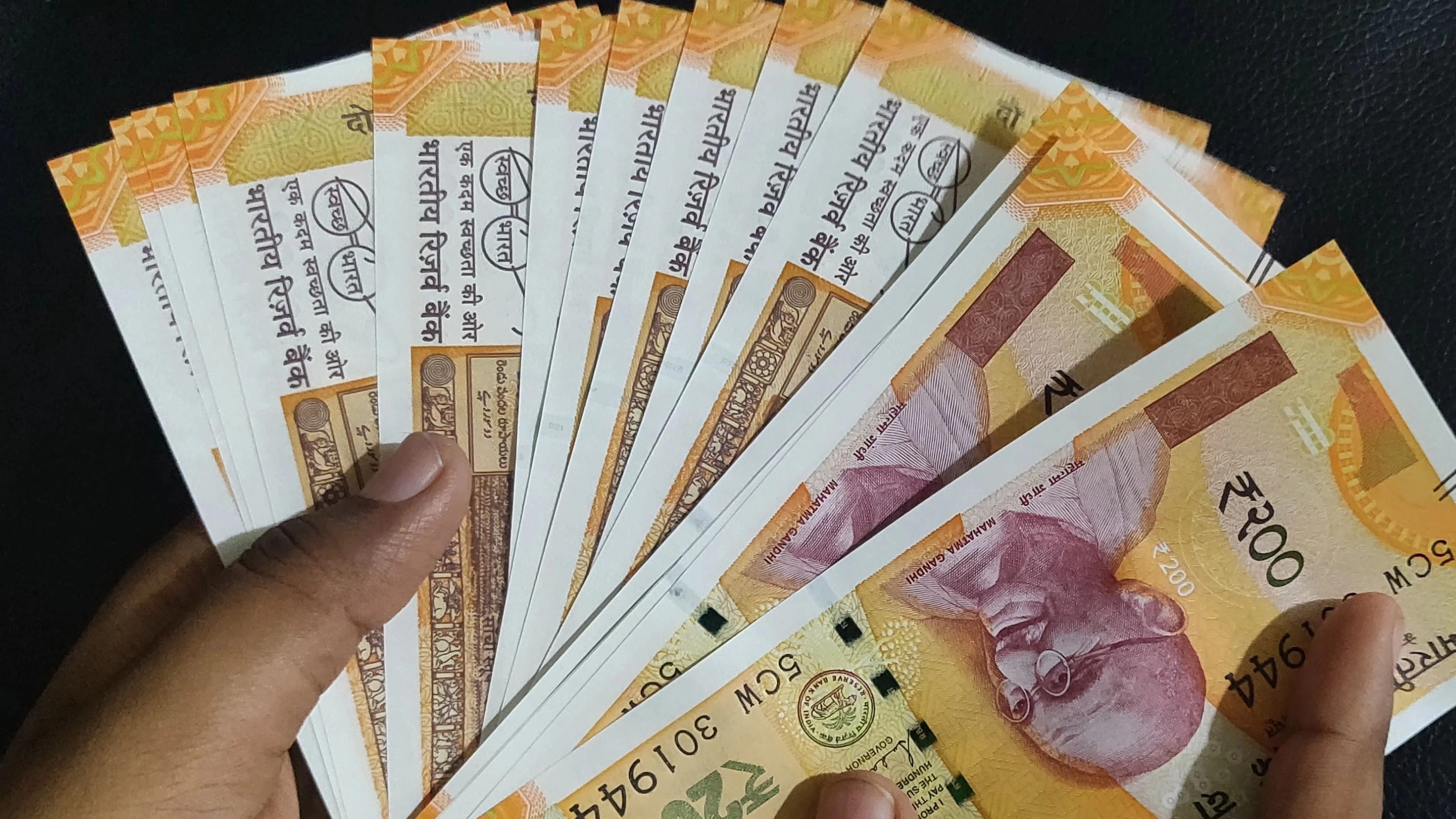
After a long haul, JP Morgan Chase & Co. has included Indian government bonds in its benchmark emerging markets index starting June 28, 2024. This is most likely to bring in an influx of foreign money of as much as $25–50 billion into Indian markets, apart from the usual foreign fund inflows, according to various estimates.
The inclusion in global bond indices points at India's growing allure among foreign investors due to its geopolitical importance and also as Western nations are looking for alternatives to China. While the Ukraine war has led to Russia falling off the indices, China's economic turmoil has hampered its attractiveness.
So far, the participation of overseas investors in the Indian government bonds market has been fairly low, but the country's resilience to external shocks has sparked interest in recent years. Foreign investors have bought Rs 25,262 crore worth of Indian government debt since April, according to data by National Securities Depository.
The country will have a maximum of 10% allocation in the index, according to a statement by JP Morgan. The process of inclusion will take place over 10 months at roughly 1% weight per month, it said. Currently, there are 23 India government bonds eligible to be added to the index, with a combined notional value of $330 billion.
For the Indian government, the inclusion will allow raising money from international investors and ease pressure on the domestic market. The inclusion of Indian bonds in global indices was first announced in the budget speech for 2021-22 in February 2021.
"India has been on Index Watch Positive since 2021 for inclusion into the GBI-EM, following the Indian government's introduction of the FAR program in 2020 and substantive market reforms for aiding foreign portfolio investments," JP Morgan said in the statement.
To enable smooth inclusion in global bond indices, the Reserve Bank of India had announced five securities maturing in 5, 10 and 30 years in March 2020. These securities are to be available to foreign investors without any limits through the fully accessible route. Under this scheme, eligible investors can invest in specified government securities without being subject to any investment ceilings.
Structurally, this will lower India's cost of funding, improve the liquidity and ownership base of government securities. This would also boost India's ability to finance its fiscal and current account deficit going ahead.
The inclusion in JP Morgan's bond index may also open doors for India to be be added to other international gauges such as Bloomberg-Barclays Global Aggregate Index.
But before that, the Indian regulators need to overcome several hurdles such as taxation policies for foreign investors, access to market through the international central security depository like Euroclear and stringent capital controls.
A deadlock between Indian authorities and Euroclear over the latter's demand to make changes in tax policies has been one of the reasons for delay in the inclusion. JP Morgan had clarified earlier that the access to Euroclear is not an index requirement, but it would improve the market's accessibility and evade some key operational challenges.

-
India's Troika Of Good Luck | Joining The Dots

A weaker Trump, a cooling AI trade and resilient earnings have put Indian markets back in favour. Rising inflation could spoil the party.
-
Talking Points This Week: Leadership Shock At Nvidia, Earnings Strength, And The Fog Over Hormuz
The Anthropic IPO pricing and first trading day, Nvidia's upcoming earnings, and any fresh signals from Iran will set the tone for the following week.
-
Signature Play: The Classic Cocktail Is Dead. Or Is It?
Classic cocktails are disappearing from India's cocktail menus. But they're still being ordered, taught to bartenders and borrowed from. So, who's really having the last drink?
-
A New Samvat Wishlist: Inclusive Prosperity And Human Development
India has strengthened its economic foundations through infrastructure, digital access and enterprise. Its next growth chapter must deepen productivity, create better livelihoods and widen participation in prosperity.
-
Love, Sex Aur Dhokha: The Audacious Plot To Spy On Jensen Huang
A Taipei dinner, a Singapore chip buyer and a suspected Chinese asset: inside the alleged spy operation that got close to NVIDIA's Jensen Huang.
-
Ten Things I Learnt This Samvat
Patience can be a trap. Cheap stocks can stay cheap. Leverage can wipe you out. What did Samvat 2082 teach us? Niraj Shah writes on 10 lessons from the year gone by.
-
Talking Points This Week: Tech Nerves, FII Buying, And A Faraway Banking Shock
The global markets are not shining this Diwali. The exception in the large markets is, India.
-
Midterm Rally Lasted A Day. The Hard Reality Of A Divided US May Last Two Years | Opinion
Between a contested AI boom, a debt ceiling that arrives in 2027 and a president with every incentive to act alone, the next two years may prove more volatile than the first day's rally suggests.
-
Blue Wave Will Derail the AI Trade but Won't Dismantle the AI Era | Unhedged Position
The Democrats' sweep of the US Congress will see politics collide with economic forces both over the long and short term.
-
It's Time To Take The GST Council's Bet On Trust Global
Payment records can prove India's services exports, and clear, proportionate rules can bring foreign digital sellers into the tax net.









