WEF India Economic Summit 2019: Investing In Lithium-Ion Battery Units Risky Due To Less Demand, Says Amara Raja’s Jayadev Galla
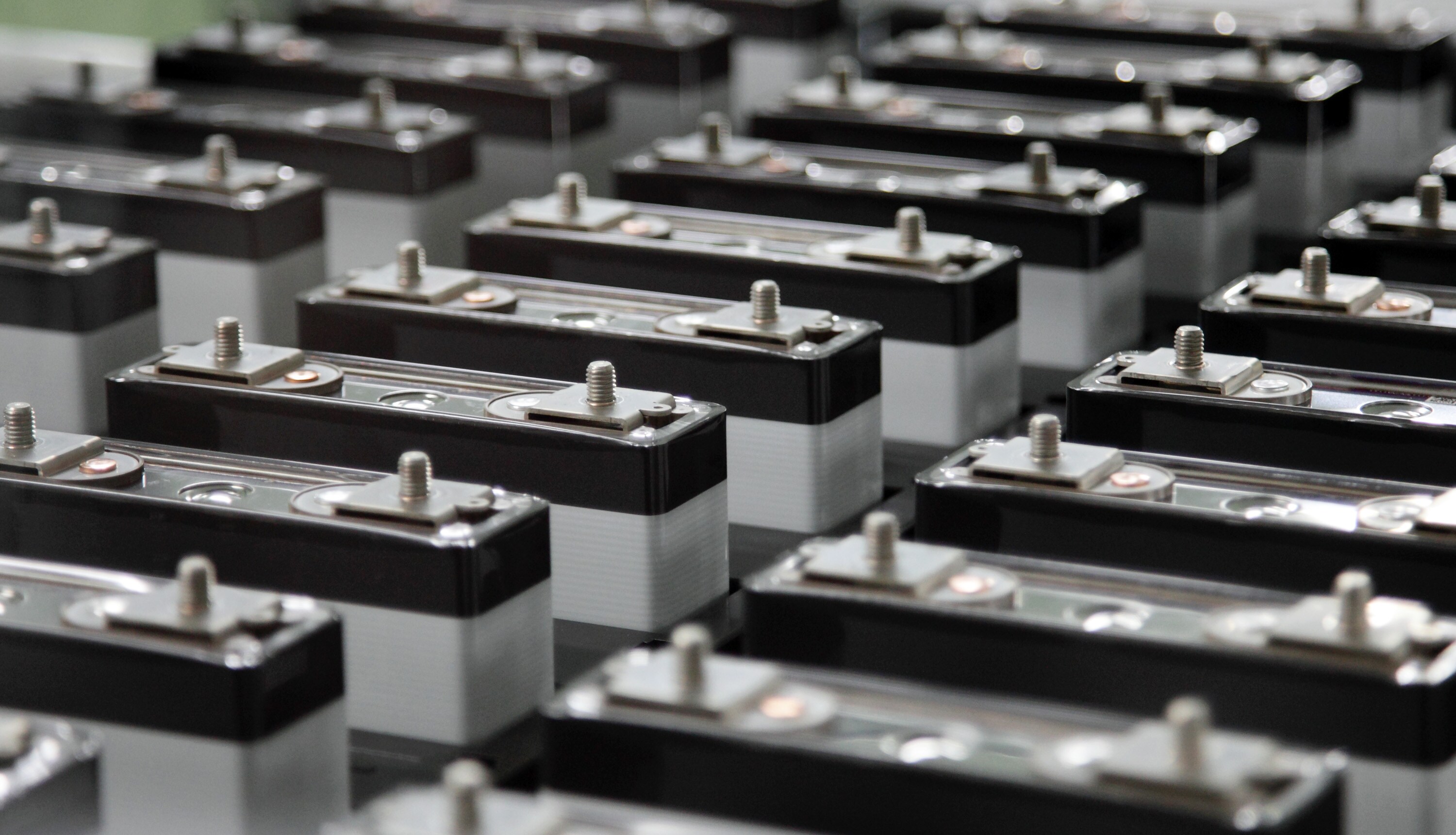
Amara Raja Batteries Ltd. is apprehensive of setting up lithium-ion battery manufacturing units in India due to lack of demand for electric vehicles, according to its Vice-Chairman Jayadev Galla.
It doesn't make sense for the company to invest in lithium-ion manufacturing before demand picks up, Galla told BloombergQuint at the India Economic Summit. “We are very bullish about the future of electric vehicles in India. However, in the entire value chain, the investment required to manufacture lithium-ion cells is about 60 percent of the total capex required to manufacture electric vehicles. So, does it make sense for that to be invested first before there is demand or before the ecosystem is developed?” he asked.
The Bharatiya Janata Party-led government aims to turn 30 percent of the vehicles battery-powered by 2030 as the Asia's third-largest economy looks to curb reliance on fossil fuel to lower emission. To push electric mobility, Prime Minister Narendra Modi had last year said that “charged mobility is the way forward for India” as the nation wants to drive investments across the value chain from batteries to smart charging to electric vehicle manufacturing. And lithium is an essential element in rechargeable batteries for electric vehicles.
But, according to Galla, it would be illogical to make investments in batteries anytime soon. “We would have a huge asset which has not been utilised properly and it could lead to non-performing asset problem like we have seen in other industries.”
The ecosystem has to be in place first so that there is predictable and a growing demand for electric vehicles before we get into cell manufacturing, the co-founder of the Hyderabad-based battery maker said.
While the government's latest move to slash the goods and service tax rate on electric vehicles from 12 percent to 5 percent is good but that's not going to help battery manufacturers, he said. “We need to see consistency in the government's plans. There have been flip flops in the past five years. We have to see whether the latest approach of the government continues to be that way or whether there are changes because policy change can disrupt everything. There are a lot of risks involving right now and we are evaluating all those risks.”
The government should bring down the risk for producers by giving grants for setting up manufacturing units, Galla suggested. “When the U.S. first encouraged lithium-ion manufacturing, their Department of Energy gave grants to battery companies to build plants. In the case of our earlier partner, Johnson Controls, they built a $500 million plant with a $300 million grant from the government. If you give us those type of incentives, we will be ready earlier because it is bringing our risks down,” he said.
Watch the full interaction with Galla here.
Escaping The Auto Slump
India's automobile sector is going through its worst slowdown in more than two decades amid falling consumption and liquidity crunch.
But, according to Galla, this has had very less impact on Amara Raja, the supplier lead-acid batteries to automakers. “Two-thirds of our production goes to the replacement market. Only one-third goes to original equipment manufacturers.”
He, however, said lower auto sales will mean lower replacement growth in the future in the next 18-24 months when the battery comes for replacement.
On electric vehicle charging hubs, Galla said the company had done a pilot in Tirupati, Andhra Pradesh where it is trying to build a business model first before they roll it out in other cities.

-
One El Nino, India Can Handle. Two Could Break The Granary

India's grain stocks can absorb one bad year, but a second El Nino could drain the buffer in two to three years, economists say.
-
India's Troika Of Good Luck | Joining The Dots
As Jensen Huang's exit drags Nvidia down, a cooling AI trade and resilient earnings have revived investor interest in India. A likely RBI rate hike looms.
-
Talking Points This Week: Leadership Shock At Nvidia, Earnings Strength, And The Fog Over Hormuz
The Anthropic IPO pricing and first trading day, Nvidia's upcoming earnings, and any fresh signals from Iran will set the tone for the following week.
-
Signature Play: The Classic Cocktail Is Dead. Or Is It?
Classic cocktails are disappearing from India's cocktail menus. But they're still being ordered, taught to bartenders and borrowed from. So, who's really having the last drink?
-
A New Samvat Wishlist: Inclusive Prosperity And Human Development
India has strengthened its economic foundations through infrastructure, digital access and enterprise. Its next growth chapter must deepen productivity, create better livelihoods and widen participation in prosperity.
-
Love, Sex Aur Dhokha: The Audacious Plot To Spy On Jensen Huang
A Taipei dinner, a Singapore chip buyer and a suspected Chinese asset: inside the alleged spy operation that got close to NVIDIA's Jensen Huang.
-
Ten Things I Learnt This Samvat
Patience can be a trap. Cheap stocks can stay cheap. Leverage can wipe you out. What did Samvat 2082 teach us? Niraj Shah writes on 10 lessons from the year gone by.
-
Talking Points This Week: Tech Nerves, FII Buying, And A Faraway Banking Shock
The global markets are not shining this Diwali. The exception in the large markets is, India.
-
Midterm Rally Lasted A Day. The Hard Reality Of A Divided US May Last Two Years | Opinion
Between a contested AI boom, a debt ceiling that arrives in 2027 and a president with every incentive to act alone, the next two years may prove more volatile than the first day's rally suggests.
-
Blue Wave Will Derail the AI Trade but Won't Dismantle the AI Era | Unhedged Position
The Democrats' sweep of the US Congress will see politics collide with economic forces both over the long and short term.









