India's Wedding Market Slump Hits Sales Of Manyavar To Sabyasachi
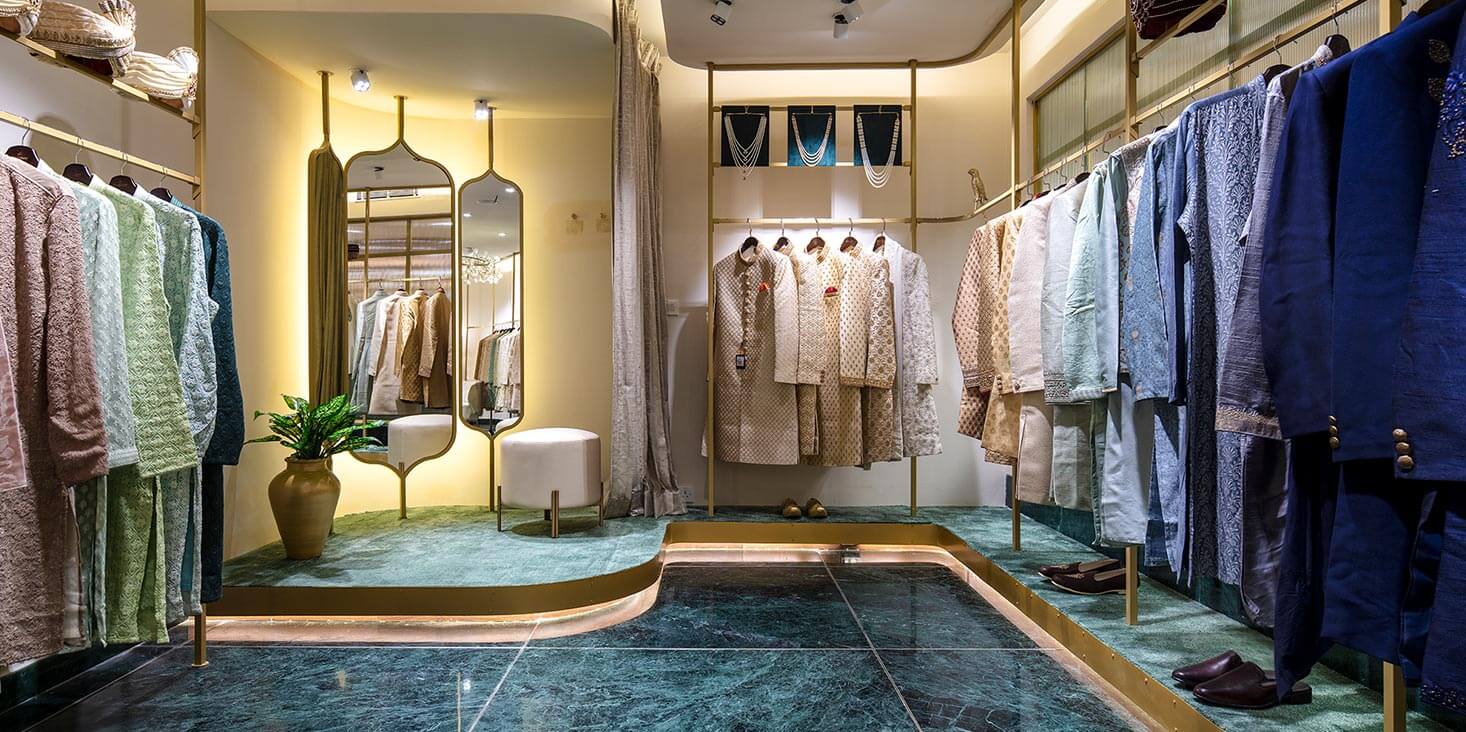
India's wedding apparel market has faced a slowdown in the first three months of the year, defying expectations of a big fat season. The downturn, driven by budget cuts and shifts in consumer behaviour, impacted both ethnic and designer-led brands — typically considered recession-proof.
Major players such as Vedant Fashions Ltd., the company behind the Manyavar brand, reported a 4.5% decline in same-store sales in the March quarter compared to last year. Similarly, Raymond Lifestyle, a staple in men's wardrobes for decades, saw revenues drop 11% amid inflation-led weak demand. Luxury designer label Sabyasachi saw decelerating growth, with sales rising just 15% during January-March, down sharply from 56% a year earlier.
"It was a disappointing season," said Rahul Mehta, chief mentor, Clothing Manufacturers Association of India, which represents 30,000 retailers across the country. While the bride and groom continued to indulge in their aspirational brands, their family and guests have been less enthusiastic in spending as they cope with higher costs of living.
"As a result, some designers and brands focused on the marrying couple remain relatively stable, but those catering to their friends and family are struggling," he said.
The domestic celebration wear market is a significant portion of the larger wedding industry, which is valued at roughly $130 billion or Rs 10.5 lakh crore annually, according to Jefferies. Women's wear accounts for nearly 75% of the total market.
Changing Buyer Behaviour
Traditionally, the wedding wear market was primarily served by unorganised players, including local tailors and boutiques. However, over the past decade, brands like Manyavar and, more recently, Tasva and Ethnix by Raymond have entered the space.
Mehta also pointed out a greener shift in consumer behaviour that is partly causing the slowdown: Attending multiple weddings had always meant buying several new outfits, but now, many are reusing existing wardrobes or purchasing fewer new clothes—often just one, he explained.
Additionally, high-end designers have held clearance sales in mid-year, altering buying patterns and further suppressing demand.
A broader cultural shift is also influencing the market. Increasingly ‘ultra-westernised' couples in metropolitan areas are opting for less traditional wedding attire, impacting sales in the ethnic segment, said Mehta.
Retailers also blame the proliferation of new stores—more than tripling over the past two to three years—for having intensified competition within the ethnic segment, hurting sales and delaying the profitability of outlets.
"We have not seen these many stores ever opening up," said Vedant Modi, chief revenue officer at Vedant Fashions, during its post-earnings call.
Initially, cities like Raipur had only one branded outlet: Manyavar. But now about 25-30 new stores have opened, and many are today not financially sustainable even in the medium term. "So, certainly there is a lot of macroeconomic pressure which we have seen."
Not All Is Gloom
Despite the overall slowdown, some premium and designer brands focusing on the core bridal segment have bucked the trend. Take, for instance, Tasva. The menswear brand by Aditya Birla Fashion and Retail Ltd. in partnership with designer Tarun Tahiliani grew 51% this quarter over the previous year, with like-for-like store sales growth at 12%.
Retailers are cautious but optimistic for the upcoming summer wedding season.
Aditya Birla Fashion & Retail expects its ethnic portfolio to get a boost from higher wedding days between April and June, unlike last year when there were no wedding dates, according to its managing director Ashish Dikshit.
Amit Agarwal, group chief financial officer, Raymond Lifestyle, concurred. "We are seeing early signs of demand recovery with people restocking. Inflation is settling down...so, I think these all give that the money can move to discretionary spending. And if the money moves into discretionary spending, we are in the rightful category where we will be able to see growth coming."

-
Getting To Work Costs Women More | The Reason Why

It is not just about women paying more than men. It is about women paying much more in cities than in villages.
-
AI Bias In Investing Cannot Be Eliminated, But It Can Be Governed
Framing is a particularly important example as identical financial information presented in terms of gains rather than losses can lead an LLM to reach a different assessment.
-
Joining The Dots | Dark Skies, Steady Diya: Why Hope Holds This Diwali
With war, a weak rupee and foreign outflows weighing on sentiment, policymakers at the NDTV World Summit and market veterans at NDTV Profit Ignite: Diwali Edition offered the same advice: stay invested and filter out the noise.
-
The Curious Case of Equitas Small Finance Bank And A CEO Who Quit For Stock
PN Vasudevan believes persistent investor concerns over a perceived conflict of interest had become a governance overhang on Equitas Small Finance Bank's stock, even as the lender improved profitability and asset quality.
-
Talking Points This Week: AI Cash Burn, A Tiger Comeback And An India That Still Finds Its Own Path
India is not immune to higher oil or tighter global liquidity, yet its earnings base is broader, its domestic policy levers are still available.
-
Foreign Investors Own Half Of HDFC Bank and ICICI Bank. An LTCG Cut Could Matter Most Here
Foreign portfolio investors have US$115 billion parked in HDFC Bank, ICICI Bank. If the government cuts long-term capital gains tax, Jefferies says returning foreign money could land here first.
-
'Never Seen This Level Of Negativity': Sandeep Tandon Says The Next Rally May Be Closer Than You Think
Veteran investor Sandeep Tandon says foreign selling is easing, large-caps are due a comeback and mid-caps are crowded, while he turns positive on gold, power and pharma this Diwali.
-
Indians Stay With Family, Not In Hotels | The Reason Why
India still lacks enough clean, reliable and affordable hotels for budget-conscious travellers.
-
The Economic Imperative: Analysing The Material Driving Force Behind India-Canada Strategic Reset
This economic complementarity is further reinforced by deep institutional investment ties and talent mobility, which form the bedrock of the bilateral framework.
-
Medicine Pricing: Where Must Profit Stop?
India must confront excessive margins, hidden incentives and regulatory gaps that threaten the integrity of medicine.










