U.S. Launches WTO Challenge Against Almost All Of India’s Export Subsidies
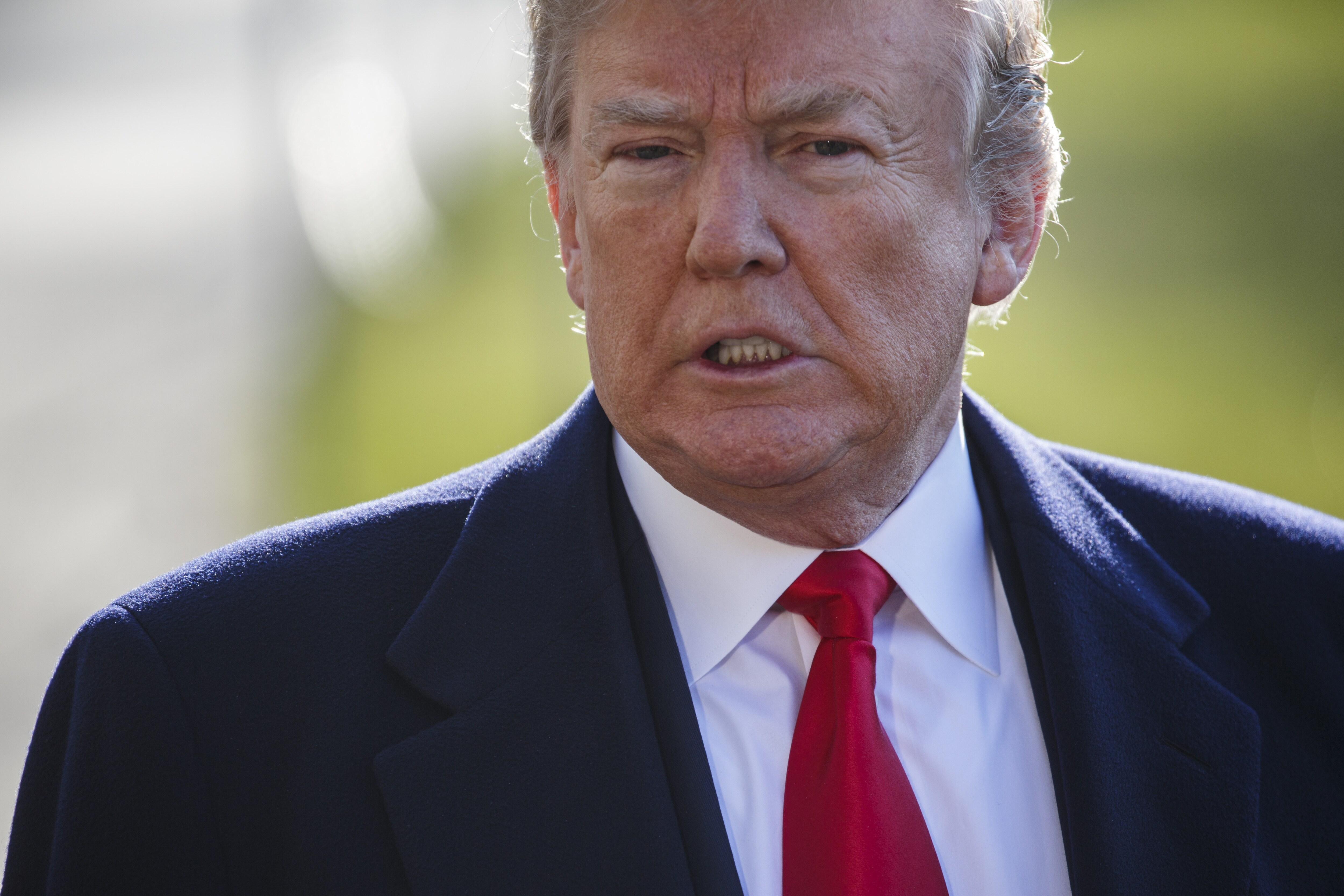
The U.S. has launched a trade challenge against almost all of India's export subsidy programs at the World Trade Organisation in its latest protectionist move, coming soon after President Donald Trump threatened retaliatory duties on countries that export more to the U.S. than they import from it.
"These export subsidy programs harm American workers by creating an uneven playing field on which they must compete," U.S. Trade Representative Robert Lighthizer said in a media statement on the USTR website.
"USTR will continue to hold our trading partners accountable by vigorously enforcing U.S. rights under our trade agreements and by promoting fair and reciprocal trade through all available tools, including the WTO," Lighthizer added.
The programs listed in the statement are:
- Merchandise Exports from India Scheme
- Export Oriented Units Scheme and sector specific schemes
- Electronics Hardware Technology Parks Scheme
- Special Economic Zones
- Export Promotion Capital Goods Scheme
- Duty free imports for exporters program
Through the mentioned programs, India provides exemptions from certain duties, taxes and fees; reduces import liability and benefits numerous Indian exporters including producers of steel products, pharmaceuticals, chemicals, information technology products, textiles, and apparel, the statement said.
The USTR has computed the benefit to Indian exporters at over $7 billion every year from these programs, the statement added citing documents from the Indian government.

Also Read: Trade War: U.S. Metal Tariffs' Impact On India
Earlier this month, Trump potentially triggered a global trade war after he imposed tariffs on imported steel and aluminium. The announcement was met with stern reactions from across the world, including the European Union, which has threatened to slap a retaliatory tariff on everything from American jeans to whiskey and even the iconic Harley Davidson bikes. China, which Trump branded as a “strategic competitor” has also warned of a “justified and necessary response”.
When a country (USA) is losing many billions of dollars on trade with virtually every country it does business with, trade wars are good, and easy to win. Example, when we are down $100 billion with a certain country and they get cute, don't trade anymore-we win big. It's easy!
March 2, 2018The metal tariffs have little impact on India as it is only a minor exporter of the two metals to U.S.
But this offensive against several export incentives is likely to elicit a strong reaction from the Indian government.
The WTO allows certain developing countries, like India, to offer export subsidies till they reach a defined economic benchmark, said the USTR statement. The WTO's provisions say that export incentives can be provided by countries where gross national income per capita is less than $1,000 per annum at the 1990 exchange rate, according to information on its website. The incentives can only be given to a sector that has a share of less than 3.25 percent in global exports.
The USTR claims that India surpassed the benchmark in 2015 and its exemption has expired. Yet the country has not withdrawn its export subsidies, it alleges.
As the USTR statement details, if the U.S. and India are not able to arrive at a settlement on these via consultations, “the United States may request the establishment of a WTO dispute settlement panel to review the matter”.
The WTO is the arbiter of international trade disputes for member countries such as India and the U.S. Currently India has been or is involved in over 170 WTO disputes, according to data on the trade organisation's website - in 23 as the complainant, in 24 as the respondent and in over 125 India has had third party involvement. Sixteen of these involve the U.S., next only to the 20 disputes with the European region.
The full USTR statement can be read here.
Watch this discussion with Jayant Dasgupta, former Indian ambassador to the WTO.

-
The Curious Case of Equitas Small Finance Bank And A CEO Who Quit For Stock

PN Vasudevan believes persistent investor concerns over a perceived conflict of interest had become a governance overhang on Equitas Small Finance Bank's stock, even as the lender improved profitability and asset quality.
-
Talking Points This Week: AI Cash Burn, A Tiger Comeback And An India That Still Finds Its Own Path
India is not immune to higher oil or tighter global liquidity, yet its earnings base is broader, its domestic policy levers are still available.
-
Foreign Investors Own Half Of HDFC Bank and ICICI Bank. An LTCG Cut Could Matter Most Here
Foreign portfolio investors have US$115 billion parked in HDFC Bank, ICICI Bank. If the government cuts long-term capital gains tax, Jefferies says returning foreign money could land here first.
-
'Never Seen This Level Of Negativity': Sandeep Tandon Says The Next Rally May Be Closer Than You Think
Veteran investor Sandeep Tandon says foreign selling is easing, large-caps are due a comeback and mid-caps are crowded, while he turns positive on gold, power and pharma this Diwali.
-
Indians Stay With Family, Not In Hotels | The Reason Why
India still lacks enough clean, reliable and affordable hotels for budget-conscious travellers.
-
The Economic Imperative: Analysing The Material Driving Force Behind India-Canada Strategic Reset
This economic complementarity is further reinforced by deep institutional investment ties and talent mobility, which form the bedrock of the bilateral framework.
-
Medicine Pricing: Where Must Profit Stop?
India must confront excessive margins, hidden incentives and regulatory gaps that threaten the integrity of medicine.
-
Why Amazon And Flipkart Are Struggling To Beat Meesho In India's Smaller Cities
With 274 million users and lowest-cost logistics, Meesho is defending its value commerce crown against giants like Amazon and Flipkart.
-
High US Salaries, No Green Card Certainty: The Financial Calculation Facing Indian H-1B Families
The suspension of PERM processing at eight technology employers does not cancel existing H-1B visas. What it does is force a question many Indian families have been avoiding: is the US salary worth tying your career and family plans to one employer?
-
Swiggy vs Eternal: Food Delivery's Two Rivals Are No Longer In The Same Race
Eternal is building a private AI assistant, dark.ai. Swiggy is still working out how to make Instamart pay, with an operating loss of Rs 895 crore in the July-September quarter while Blinkit stayed profitable.










