Unusual June Weather Dampens Sales Of Biscuits To Beverages
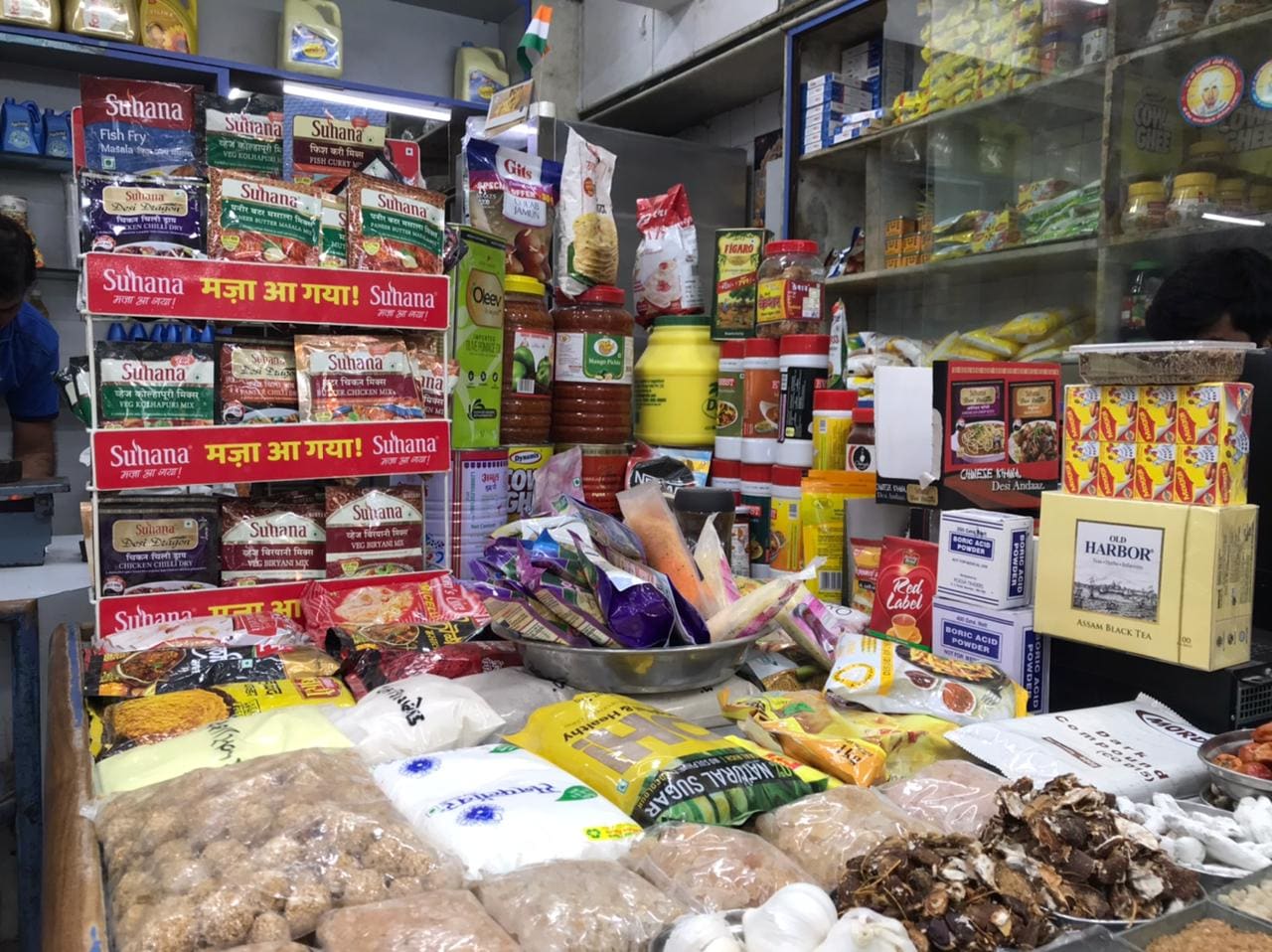
Unusual weather in parts of India because of rains and a decline in consumer appetite to spend dampened retail sales in the month of June, according to the data shared by Bizom.
Sales of soaps to sodas fell 1.1% compared to the previous year, data from the retail intelligence firm that tracks 75 lakh mom-and-pop stores showed.
In comparison, sales in May rose 1.4%, whereas April witnessed a decline of 8.4% compared to the previous year, bringing down overall sales for the April-June period by 4.6%.
These mom-and-pop or kirana stores play a crucial role in India's everyday grocery supply. Typically, they maintain an inventory that lasts for approximately 30-45 days and restock every 8-10 days based on consumer demand. In April, these outlets bought lower quantities of goods due to their heavy stocking in March, lowering sales.
June presented a particularly challenging period for companies selling summer products due to the cooler and wetter weather conditions experienced during the first three weeks of the month in some parts of the country, according to Akshay D'souza, chief of growth and insights at Bizom.
While the onset of monsoon was delayed, parts of India received rains, lowering temperatures. Western India witnessed rainfall because of cyclone Biparjoy.
"There also seems to be a lower spending in purchase of discretionary products, which is evident in sales of both personal care and confectionery products," D'souza said.
Among the various categories affected, beverages took the hardest hit with sales falling 27% in June, followed by personal care products (-17.1%) and confectionery (-6.7%).
Krishnarao Buddha, senior category head at Parle Products Pvt., said the company's performance in the April-June quarter was "disheartening".
Although the biscuits and confectionery maker saw “marginal growth” in value due to price hikes, its volumes remained flat compared to the previous year. Buddha said, "Volume growth remained weak despite Parle offering benefits to consumers mainly by way of reversal in grammages."
Parle has not implemented direct price cuts so far as it faces 4-5% inflationary pressure over last year's base caused by the continued volatility in commodities such as wheat, sugar, and skimmed milk powder. However, Buddha expects a visible recovery in consumption during the upcoming festive quarter.
Kunal Vora, director and head of India equity research at BNP Paribas, said that price cuts might be necessary to lift volumes. He said, "prices of most stock-keeping units increased sharply over the last two years, but so far price cuts have been limited despite stabilisation in prices of key commodities. We believe price cuts might be needed to drive volumes."
The recovery of demand in the July-September quarter will largely depend on the monsoon season, according to Bizom's D'souza. "We're also seeing strong measures being put in place to keep a check on prices of edible oils through import duty cuts and ensuring adequate supply to tide over any potential El Nino crisis. This along with the upcoming festival season, and the lower trending food inflation are key enablers to drive consumption of consumer goods in the ongoing quarter."
However, there is a silver lining for consumer goods companies as most raw material costs have eased. The prices of various commodities, including brent crude, edible and palm oil, copra, barley, corrugated paper & paperboard, and vegetables, have decreased compared to the previous year. But there are a few exceptions such as wheat, milk, and tea, which have experienced price increases. Sequentially, the prices of key inputs such as palm oil, barley, mentha oil, and tea have shown a downward trend.
The prices of high-density polyethylene, which is widely used in the packaging materials for items such as shampoos, soaps, and oils, have also witnessed a decline. Additionally, linear alkyl benzene, a key ingredient in detergent manufacturing, has seen its prices drop.
These developments are expected to have a positive impact on the profit margins of companies in the fiscal year 2024, according to analysts at Kotak Institutional Equities.
Kotak further forecasts that the gross margin will witness an expansion of 251 basis points in the first quarter.

-
Your iPhone Costs 12 Grams Of Gold, A Car About 100. What Does Your Life Weigh?

Measured in rupees, almost everything looks more expensive than it did a generation ago. Measured in grams of gold, a lot of it has become cheaper.
-
Gold Is Rs 22,000 Cheaper Than A Month Ago. Should You Buy Amid The Wedding Season?
Gold's potential slide to $3,500 could save around Rs 4,700 per 10 grams, but a soft inflation print could just as easily push prices back up. One way to split the risk is to buy in parts, some now and the rest after the Fed's Dec. 9 decision.
-
AI Agents Are Gaining Power. Who Governs Them?
Artificial intelligence agents promise to transform productivity by moving machines from assisting decisions to executing them. But as organisations delegate greater authority to these AI-agents, they must first establish who controls that authority and who remains accountable when things go wrong.
-
Why Swapping Your Old Gold Can Trigger A Rs 5 Lakh Tax Bill, And How You Can Avoid It Legally
Swapping old gold for new is taxed as a sale and a fresh purchase. Getting your own gold remade can cut most of that bill, though it has its own costs.
-
The AI Trade is Done. The Real Opportunity for Investors Starts in 2027 | Unhedged Position
As pureplay AI stocks plunge and circular, capex-led financing unwinds, 2027 is set to be a year of reckoning for AI companies. Yet the bust clears the way for a better opportunity for investors in 2027 -- shifting the spotlight from AI builders to the companies using AI.
-
Leadership As Mission: Why The Age Of AI Demands More Human Leadership
Debjani Ghosh examines how AI is changing leadership, arguing that its success must be measured by its impact on people and the accountability of those guiding its use.
-
We May Need Another Tukaram Mundhe To Fight Air Pollution | The Reason Why
Developers may install basic measures such as sprinklers and green nets, resume work, and continue violating rules when this equipment stops working.
-
Extracting Value From Battery Scrap Could Be Challenging For India | The Reason Why
A discarded lithium-ion battery still contains valuable materials such as lithium, nickel and cobalt. These can be recovered and reused. When such batteries are crushed and shredded, they produce a dark powder called black mass.
-
One El Nino, India Can Handle. Two Could Break The Granary
India's grain stocks can absorb one bad year, but a second El Nino could drain the buffer in two to three years, economists say.
-
India's Troika Of Good Luck | Joining The Dots
As Jensen Huang's exit drags Nvidia down, a cooling AI trade and resilient earnings have revived investor interest in India. A likely RBI rate hike looms.









