Union Budget 2017: For Rural Jobs Scheme MGNREGA, 'Highest Ever' Allocation Of 48,000 Crores
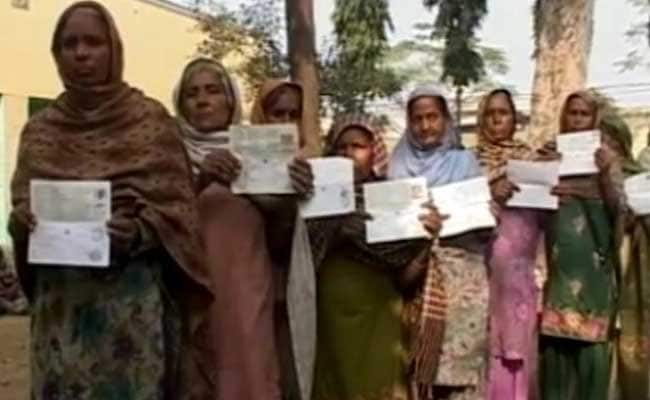
India's biggest anti-poverty scheme, the Mahatma Gandhi National Rural Employment Guarantee Act or MGNREGA, has been given its "highest allocation ever" of 48,000 crores in the government's annual Budget presented today, said Finance Minster Arun Jaitley to Parliament.
The scheme provides jobs to an estimated 50 million households.
Today's Budget focused heavily on rural spending, among the steps to help the economy recover from Prime Minister Narendra Modi's shock decision in November to ban 86 per cent of the notes that were in circulation.
Increasing the Budget for MGNREGA could help compensate the rural poor, hit hardest by the cash shortage that followed the demonetisation drive.
Despite the pain, rural Indian have expressed vast support for the PM's initiative and intent of using the notes ban to unearth tax evasion and punish the corrupt.
Under the NREGA scheme - introduced in 2006 by the previous Congress-led government - villagers can enroll for work building roads, digging wells or creating other rural infrastructure and receive the minimum wage for 100 days a year.
That income has helped improve nutrition levels and reduce child labour, especially at times when crops fail or prices shoot up, NREGA supporters say. It has raised rural consumption, created new markets and shored up growth when investment falters.
The majority of NREGA workers are women, and nearly half are from lower castes or tribal communities - some of the most marginalised groups in India.
NREGA is not without its flaws - critics say it is a heavy burden on taxpayers, wasteful and riddled with corruption. A 2013 government audit said the scheme, like most other welfare programmes, was poorly implemented and there were many cases of delays or non-payment of wages.
After taking office, PM Modi had described NREGA as totemic of the Congress' failure to provide effective governance but told Parliament in 2015 that he planned to sustain the scheme by transforming it.
(With inputs from Reuters)

-
AI Bias In Investing Cannot Be Eliminated, But It Can Be Governed

Framing is a particularly important example as identical financial information presented in terms of gains rather than losses can lead an LLM to reach a different assessment.
-
Joining The Dots | Dark Skies, Steady Diya: Why Hope Holds This Diwali
With war, a weak rupee and foreign outflows weighing on sentiment, policymakers at the NDTV World Summit and market veterans at NDTV Profit Ignite: Diwali Edition offered the same advice: stay invested and filter out the noise.
-
The Curious Case of Equitas Small Finance Bank And A CEO Who Quit For Stock
PN Vasudevan believes persistent investor concerns over a perceived conflict of interest had become a governance overhang on Equitas Small Finance Bank's stock, even as the lender improved profitability and asset quality.
-
Talking Points This Week: AI Cash Burn, A Tiger Comeback And An India That Still Finds Its Own Path
India is not immune to higher oil or tighter global liquidity, yet its earnings base is broader, its domestic policy levers are still available.
-
Foreign Investors Own Half Of HDFC Bank and ICICI Bank. An LTCG Cut Could Matter Most Here
Foreign portfolio investors have US$115 billion parked in HDFC Bank, ICICI Bank. If the government cuts long-term capital gains tax, Jefferies says returning foreign money could land here first.
-
'Never Seen This Level Of Negativity': Sandeep Tandon Says The Next Rally May Be Closer Than You Think
Veteran investor Sandeep Tandon says foreign selling is easing, large-caps are due a comeback and mid-caps are crowded, while he turns positive on gold, power and pharma this Diwali.
-
Indians Stay With Family, Not In Hotels | The Reason Why
India still lacks enough clean, reliable and affordable hotels for budget-conscious travellers.
-
The Economic Imperative: Analysing The Material Driving Force Behind India-Canada Strategic Reset
This economic complementarity is further reinforced by deep institutional investment ties and talent mobility, which form the bedrock of the bilateral framework.
-
Medicine Pricing: Where Must Profit Stop?
India must confront excessive margins, hidden incentives and regulatory gaps that threaten the integrity of medicine.
-
Why Amazon And Flipkart Are Struggling To Beat Meesho In India's Smaller Cities
With 274 million users and lowest-cost logistics, Meesho is defending its value commerce crown against giants like Amazon and Flipkart.










